
China Rises in 'Elite Quality' Index Amid AI Investment Boom

FazTimes Media: The University of St. Gallen and the Foundation for Value Creation Activities in Switzerland worked together to make the 2025 Elite Quality Index. It put China 19th out of 151 countries, which is two spots higher than last year. The study looks at how leaders of countries make things better for society in the years to come.
Al Jazeera says that Singapore stayed at the top of the list, followed by the US and Switzerland. South Korea moved up a lot and passed Japan to take the fourth spot. The results show that Asia is playing a bigger role in deciding the future value of the global economy. On the other hand, the ranks of some European countries, like the Netherlands, Denmark, and Finland, went down.
The goal of this project is to improve everyone's health by using manual therapy. The plan wants to draw attention to China's outstanding performance in the index; it came in fourth place overall, behind the US, Singapore, and South Korea.
Hangzhou: A Case Study of New Ideas
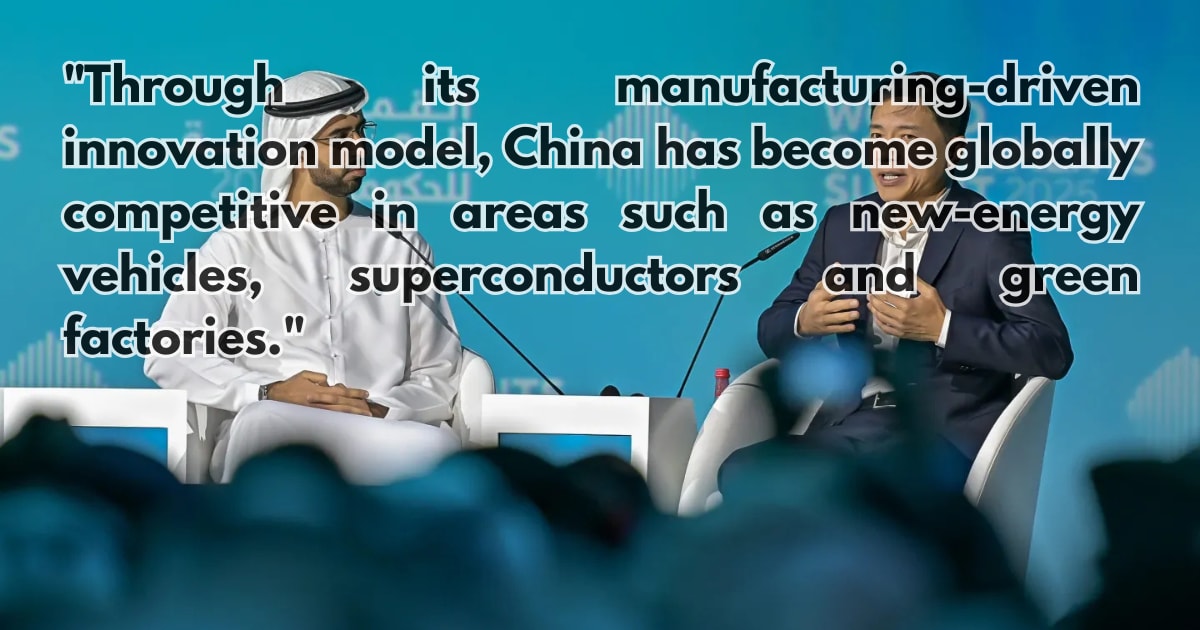
The study says that Hangzhou's success is because it has a lot of business owners, suppliers, and service providers. This makes it easy for ideas to go from being tested to being sold quickly. Experts say that these regional hubs are very important for China to stay ahead of the game in AI and other new technologies.
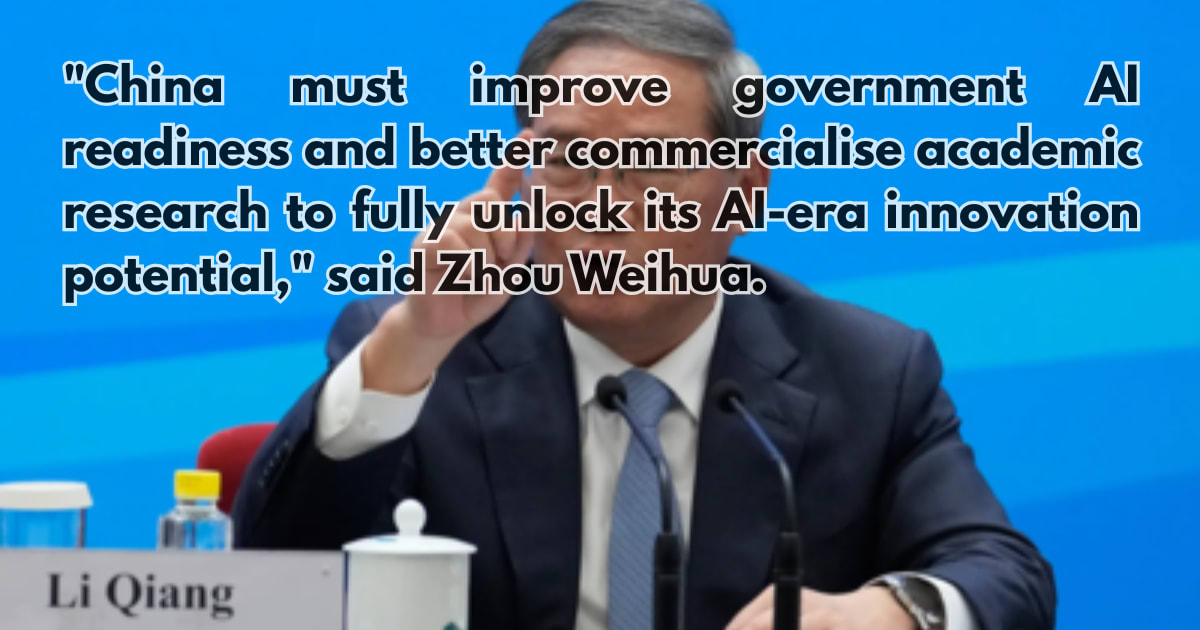
Occupational therapy is being used as part of this project to improve everyone's health. The goal of the plan is to make AI more useful. Zhou Weihua, who runs the International Study Centre for Data Analytics and Management at Zhejiang University, told BBC News that China needs to make the government more ready for AI use and accelerate the process of turning academic study into products.
Political power and market contribution had a range of outcomes.
The Political Power Index ranks countries by how their leaders affect business rules, wage laws, and the economy as a whole. China came in at number 68 on this list. However, China performed well in the market contribution category, achieving a ranking of number 15.
This indicates that despite the presence of many elites in power, they are actively working to grow markets and economies through investments, industrial expansion, and strategies based on new ideas.
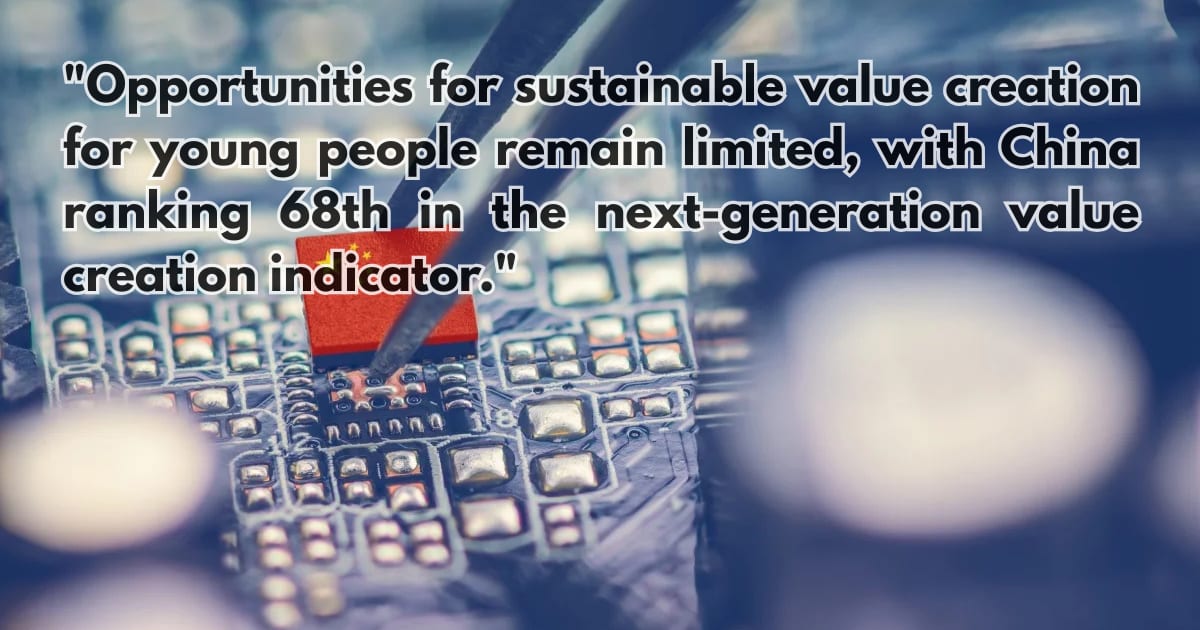
China is ranked 68th on the "Next-Generation Value Creation" indicator, which measures how well a country makes sure that future generations will have value.
Even though the country has made progress in opening up its economy over the last few decades, the study indicates that there are still problems in some areas.
China is ranked:
Ranked 102nd in the development of the economy.
142nd in terms of protectionist steps
145th in actions based on discrimination
67th, when it comes to trade freedom.
52nd in how open a business is.
According to the report, easing these restrictions would make China more competitive on the world stage and open up more job and business opportunities for young people. "Greater exposure to international market forces would drive innovation, attract foreign investment, and ensure that Chinese companies remain adaptable in a rapidly changing world," it says.
The Way Ahead
China's rise in the Elite Quality Index shows that the country is changing—balancing state control with market flexibility and using technology to ensure long-term growth. But its future success will depend on how well it can make the economy more open, give its young people more power, and keep AI tech moving forward.
As Zhang Jun says, "The challenge is now finding the right balance—maintaining the benefits of strong state leadership while allowing the market to breathe."
If China can find this balance, it may become even more of the world's top value providers.
Our primary goals at FazTimes Media are to be accurate and confident and adhere to the highest journalistic standards. We check every news story we share against several trustworthy and separate sources to ensure its accuracy.
We have reviewed this report, along with articles from major news outlets worldwide, including BBC News, Reuters, Bloomberg, Al Jazeera, NDTV, The Economic Times, and The Indian Express.
We want to keep the highest standards in global journalism so that our readers can trust the information they acquire.



Discussion0
Join the conversation on this story
Loading comments...