
DGCA Flags 51 Safety Lapses at Air India: Training Gaps, Unapproved Simulators & More
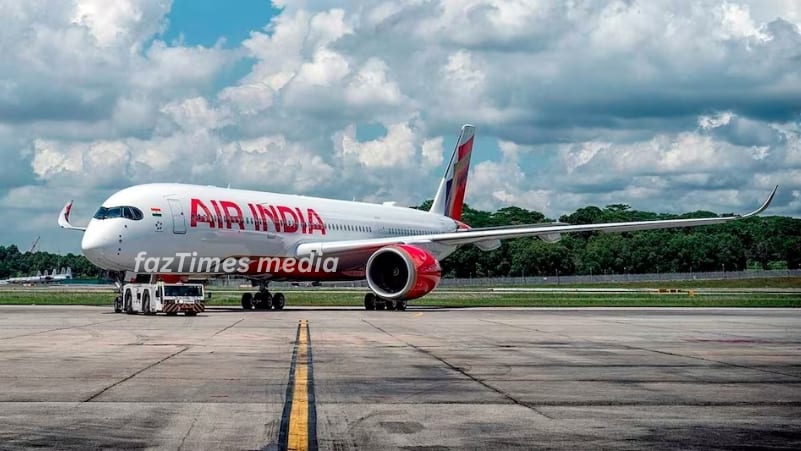
fazTimes media: New Delhi – In a development that has caused worry across the country, the Directorate General of Civil Aviation (DGCA) has identified 51 safety issues in Air India’s operations during its yearly safety check. These problems have drawn attention to possible risks to aviation safety in India. Out of these, seven issues are considered the most serious, labeled as “Level I,” and Air India must fix them by July 30. The other 44 issues need to be resolved by August 23, as ordered by the aviation regulator.
The results have led to closer examination of Air India’s ways of operating, especially as India’s aviation sector is recovering from the pandemic and seeing more flights both within the country and abroad. According to IANS, the DGCA has asked Air India to show that all the problems have been fixed and that safety standards are fully met.
What Did the DGCA Find?
The DGCA's audit found several serious safety issues and problems with processes:
Old training manuals
Pilot training that isn't good enough
Flight simulators that don't meet the right standards
Training records that are inconsistent or missing altogether
Flight schedules are being handled by people who haven't been properly trained.
Operational inconsistencies in low-visibility flights
These issues, especially in a safety-critical industry like aviation, are not just about making mistakes—they show deeper problems that could affect passenger safety, experts say. “Old manuals and inconsistent training mean the people in charge of safe flights might not know the latest rules,” said an aviation expert who asked to remain anonymous.
“This isn’t just a simple error—it could be a danger to safety.” An audit discovered a serious problem. This incident occurred following a previous issue: an Air India plane experienced a delay in checking its emergency slides, which are crucial for ensuring passengers can exit the plane safely. The aviation regulator, the DGCA, promptly halted the plane's flight until they completed the inspection and ensured everything was in order.
The minister for civil aviation, Murlidhar Mohol, told a parliamentary body that the DGCA has taken action against Air India and the people involved, as per their rules and procedures. The incident prompted a broader audit and the implementation of more stringent checks.
Three show-cause notices were issued by the DGCA on July 23, just a few days before the audit report was completed. The DGCA dispatched these notices to Air India, addressing three distinct issues. The airline has 15 days to reply and explain why these violations happened, or it might face more penalties from the regulators. Industry experts say that while such actions are common globally, they are becoming more noticeable and stricter in India.
The move shows that the DGCA is trying harder to ensure safety in the aviation sector. Al Jazeera reports heightened scrutiny of the global aviation industry since the end of the pandemic. As the industry grows quickly, regulators are pressing airlines not only to recover financially but also to maintain or enhance their safety standards.
Air India’s Response: A Delicate Balancing Act
The Tata Group, now owning Air India, has yet to release a comprehensive public statement. According to internal sources, the airline is “taking the audit seriously” and “bringing together different departments” to fix the issues pointed out by the DGCA within the given time frame.
Still, the audit results are a big embarrassment for a brand that is currently going through major changes and upgrading its fleet under Tata’s management. Since Tata took over the airline in early 2022, they have promised to improve service, safety, and global standing.
But experts in the industry caution that even with a lot of money and big plans, changing the way an organization works takes time.
Broader Concerns About Indian Aviation
This audit, which focuses on Air India, has sparked a wider conversation about aviation safety in India. As domestic flights are returning to pre-pandemic numbers and new airports, runways, and airlines are being built quickly, there is concern about whether safety regulations are keeping up with this rapid growth.
According to BBC News, Indian aviation authorities have increased monitoring of helicopter flights during the Chardham Yatra and are conducting more surprise inspections at major airports. However, experts assert the immediate need for more active auditing, random simulator tests, and clear reporting systems.
A former DGCA official, who has led several investigations, said, “We need stronger safety cultures, not just stricter audits. The goal is to create a culture where every pilot, engineer, and scheduler knows that safety is non-negotiable.
Conclusion
Trying to go faster, save money, or grow too quickly can't come at the cost of safety, especially in a field where even small mistakes can have huge consequences. As more planes fly in the sky and Indian airlines aim to be big on the world stage, every check, every training record, and every inspection needs to be taken seriously.
Passengers rely on these behind-the-scenes checks for flight safety, smooth takeoffs and landings, and the protection of lives thousands of feet in the air.
At FazTimes, we prioritize accuracy, confidence, and strong journalistic standards. To ensure every news story we share is real, we verify it with multiple trustworthy and independent sources.
We’ve compared this report with coverage from major news outlets around the world, including BBC News, Reuters, Bloomberg, South China Morning Post, Al Jazeera, NDTV, The Economic Times, and The Indian Express.
Our dedication lies in upholding the highest standards in global journalism, ensuring our readers can trust the information they receive.


Discussion0
Join the conversation on this story
Loading comments...