
Do Disposable Cups Cause PCOS & Cancer? Health Risks Explained



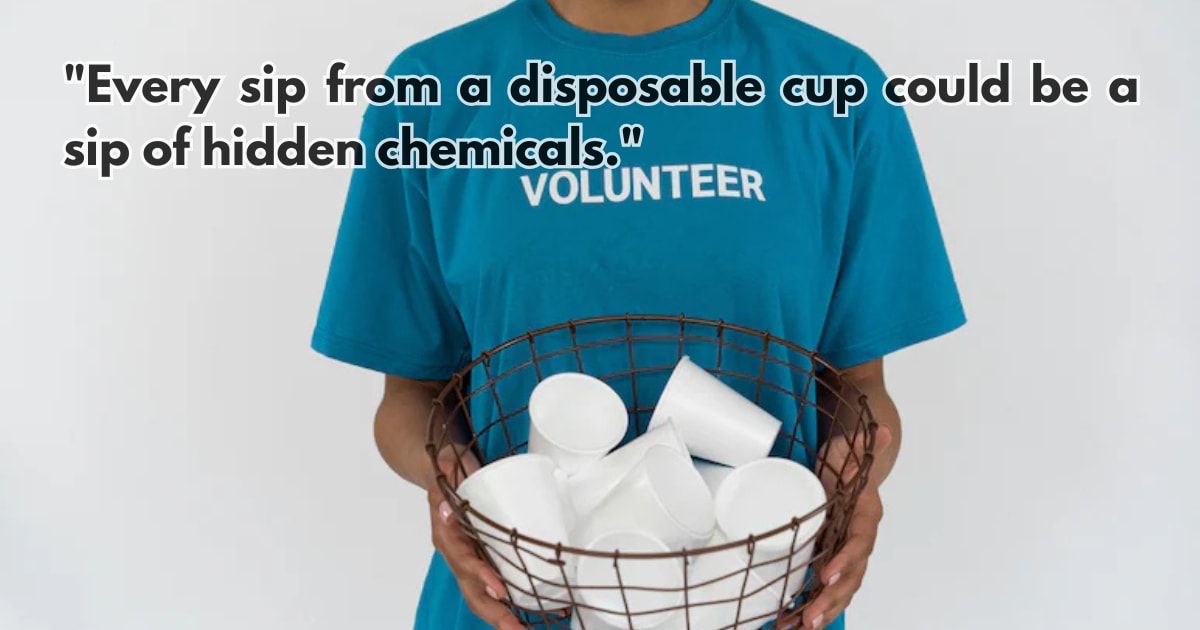
FazTimes Media: In our busy world, people often put short-term ease ahead of long-term health. One example of this is the widespread use of single-use cups, which you can see at weddings, tea stands, office parties, and Indian street cafés. A new study suggests that these cups may be worse for you than they seem. They are quick and easy to use, but they may also be more harmful than we thought.
BBC News said that health experts are worried about the materials used to make throwaway cups. When these things get hot, they can release harmful chemicals into the drinks they hold. These cups are used to serve hot Indian drinks like chai and coffee, which is part of the problem.
What are single-use cups made of?
Even though they come in a lot of different styles, most throwaway cups are made from:
Paper cups that have a thin film of polyethylene on them to make them waterproof are made of plastic-coated paper.
- Polystyrene is made of polystyrene, which is a light, foam-like substance.
These materials look safe at first glance, but when heated to high temperatures, they can let out chemicals that are bad for you, such as bisphenol A (BPA), phthalates, and styrene. According to Al Jazeera, these chemicals are endocrine disruptors, which means they can mess up the hormone system in the body.
How the chemicals enter your body
It's easy and scary to think about how these chemicals get into your body. When you put hot coffee or tea in a paper cup,
The heat makes the foam or plastic layer soften.
Tiny bits and chemical leftovers stick to the cup and come off.
When you drink this, these toxins get into your body.
It's not just hot drinks that are a problem. It takes longer for chemicals to be released, but even warm drinks like soup or milk can do it.
The Hormonal Mess
Chemicals like BPA and phthalates can either work like hormones in the body or stop hormones from doing their job. Both men and women can get hormonal problems from this. Women who are regularly exposed to these chemicals may experience the following effects:
PCOS stands for Polycystic Ovarian Syndrome.
Periods are not on time.
Having trouble getting pregnant.
Problems with the thyroid
These are the risks for men:
Not as much testosterone
Less sperm
Fatigue from hormones
Kids and teens are most likely to be hurt. Studies have shown that these chemicals can hurt brain growth, make it hard to remember things, make it hard to learn, and make it hard to concentrate.
The Link to Cancer
There's more than one problem. The International Agency for Research on Cancer (IARC) says that styrene, a chemical that is found in Styrofoam cups, might be bad for people's health. For a long time, being around styrene may make you more likely to:
Cancer of the breast
Breast cancer
Cancer of the prostate
And these toxins can weaken the immune system, which makes it easier for viruses to make you sick and for inflammation to last a long time.
What it does to the liver, kidneys, and digestion
These toxins not only put hormones and cancer at risk, but they also affect very important body parts:
To get rid of toxins, the liver has to work harder, which can cause fatty liver disease over time.
Kidneys: The kidneys are more likely to be damaged early and be less able to filter waste.
When the good bacteria in the gut change, it can mess up the digestive system. This can cause gas, trouble eating food, and changes in how often someone goes to the toilet.
It is more likely for people whose digestive and immune systems aren't working well to have autoimmune problems, as well as brain fog, mood swings, anxiety, and sadness.
Why India is more at risk
Indian street stands and events often use disposable cups because they are cheap, easy to carry, and quick to throw away. However, sellers sometimes use single-use cups again, which could make the contamination worse.
In some Western countries, safety rules are stricter, but in India, the standard of these kinds of goods can vary. This can make the dangerous chemicals in cheap cups made in the area even more dangerous.
What the Experts Have to Say
A doctor of endocrinology in Chennai, named Dr. Meera Krishnan. "We are worried that the number of young women in India's cities who have PCOS is going up." Even though diet and stress are important parts of a person's life, chemicals from disposable cups and plastic containers are often ignored as a cause.
An expert in environmental health named Dr Aftab Hussain added:
"Before they are used, these cups are often kept in hot, humid places, which speeds up the breakdown of chemicals." If you pour hot tea into them, you might be drinking a mix of chemicals that are bad for you.
There is damage to the environment and health risks.
This issue is not just about health. It's easy for disposable cups to break, especially ones made of Styrofoam or that are lined with plastic. They get stuck in drains, pollute rivers, and end up in dumps where they stay for hundreds of years before breaking down.
Burning Styrofoam trash makes the air more polluted by giving off dangerous fumes.
Better for You Options
The answer is easy, and many Indian homes already use it:
Cups and tumblers made of stainless steel are strong, safe, and easy to find.
This type of mug keeps drinks warm and is simple to clean.
Glass cups are safe for all kinds of drinks because they don't react with food or drinks.
A traditional and eco-friendly choice, clay kulhads give tea a unique earthy taste.
It's becoming common to bring your reusable cup with you everywhere, and India may soon make it a law.
Things You Can Do Today
It's not possible to never use throwaway cups, but there are things you can do to lower your risk:
It's best not to pour hot drinks right into paper cups. Take a moment to let the drink cool down.
Don't use them unless you have to. Don't use them too often.
Ask local sellers to use safer items, such as kulhads or paper cups that don't have a plastic liner inside. Choose these other options to show your support.
Tell your family and friends that single-use cups are bad for you. Tell others what you've learnt.
The roles of government and policy
Single-use plastics and Styrofoam are now illegal in many countries. Within India, the government has put in place some rules, but they are not always followed properly. Lawyers might make safety rules tighter, require clear labels on disposable cups, and push for eco-friendly choices if more people learn about the health risks.
A Call to Make Smart Decisions
It's usual and easy to grab a cup of hot chai from a stand on the side of the road. The long-term effects may be much worse than we think. Health experts say that even small risks that happen often can cause big health issues over time. BBC News and Al Jazeera say that one of the easiest and most effective ways to change your life is to cut down on these situations.
In the end, you shouldn't let convenience hurt your health. A small change like switching to safe, reusable alternatives can help protect your hormones, lower your chance of cancer, and improve your health in general. It can also help the environment.
FazTimes Media will keep giving you correct health news based on studies to help you make smart decisions.
Our primary goals at FazTimes Media are to be accurate and confident and adhere to the highest journalistic standards. We check every news story we share against several trustworthy and separate sources to ensure its accuracy.
We have reviewed this report, along with articles from major news outlets worldwide, including BBC News, Reuters, Bloomberg, Al Jazeera, NDTV, The Economic Times, and The Indian Express.
We want to keep the highest standards in global journalism so that our readers can trust the information they acquire.


Discussion0
Join the conversation on this story
Loading comments...