
Dubai Metro Deploys AI Robot ARIIS for Advanced Rail Track Inspections
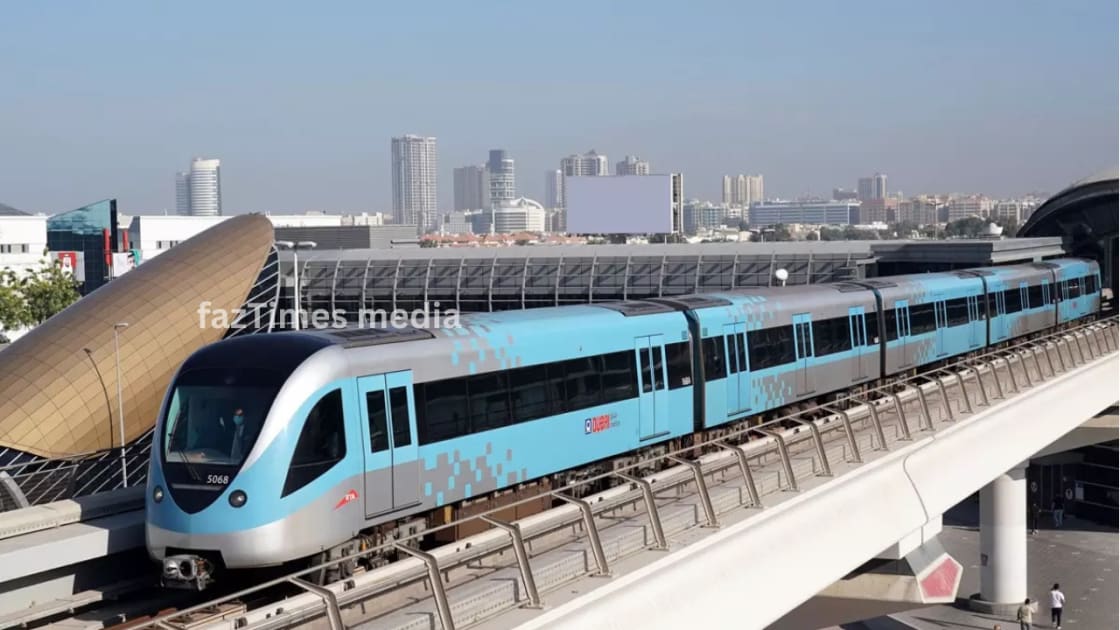
fazTimes media: In a remarkable step toward building a smarter, safer, and more efficient transportation system, Dubai has unveiled its latest innovation: ARIIS, the Automated Rail Infrastructure Inspection System. This AI-powered robot is transforming how the Dubai Metro monitors and maintains its expansive network of rail tracks. At a time when cities around the world are exploring ways to blend technology with public infrastructure, Dubai is already putting the future on track, literally.
What Is ARIIS?
ARIIS isn’t just another high-tech gadget. It’s a sophisticated robotic inspector equipped with LiDAR sensors, laser scanners, and 3D cameras that can autonomously scan metro tracks and infrastructure. Instead of relying solely on traditional human inspections that are time-consuming, potentially hazardous, and expensive, ARIIS does the job autonomously, accurately, and without interrupting metro services. The Roads and Transport Authority (RTA) officially introduced ARIIS this week, and the impact is already being felt.
Why It Matters for Dubai
The deployment of ARIIS is part of Dubai’s Smart Mobility Strategy, which aims to make 25% of all transportation in the city smart and driverless by 2030. This isn’t just about flashy tech; it’s about real improvements in efficiency, safety, and sustainability. According to RTA, ARIIS has boosted inspection efficiency by 75%. That’s not a small number.
"Thanks to ARIIS, we can now conduct inspections more frequently and effectively, with significantly reduced human intervention," said the RTA in an official statement. Previously, manual inspections required over 2,400 man-hours. With ARIIS, this number has been brought down to just 700 hours, saving time, money, and human resources.
Better Inspections, Fewer Mistakes
Human errors in infrastructure inspections can lead to overlooked damages and eventually cause safety concerns. ARIIS helps solve that. Its advanced sensors can detect tiny cracks, alignment issues, and structural changes, even those invisible to the naked eye. Moreover, the robot creates a 3D model of the track, enabling engineers to track changes over time and predict future problems.
According to RTA officials, inspection accuracy has improved by 40%, and manual efforts have been reduced by a whopping 70%.
Predictive Maintenance: The Real Game-Changer
Perhaps the most exciting part about ARIIS isn’t what it does today; it’s what it helps avoid tomorrow. With the help of AI algorithms and predictive analytics, ARIIS can forecast potential faults before they become serious issues. This means maintenance teams can act proactively, fixing small problems before they turn into major disruptions or accidents.
It’s like having a doctor who not only treats you when you’re sick but warns you well before anything goes wrong.
A Step Toward Safer Public Transport
Dubai Metro is one of the world’s most advanced urban rail systems. It carries over 600,000 passengers daily across its red and green lines. In such a busy network, safety is paramount. The introduction of ARIIS ensures that inspections are carried out more frequently and in greater detail, making the entire system safer for passengers. For local commuters like Ahmed, a 32-year-old office worker who travels daily from Al Qusais to Business Bay, the news is reassuring.
“I didn’t even know robots were inspecting the tracks, but if it means safer and smoother rides, I’m all for it,” he said.
Embracing Innovation, the Dubai Way
Dubai has never shied away from embracing futuristic technologies. From AI-driven police patrols to drone taxis, the city is often among the first to implement what others are only testing. The introduction of ARIIS is another feather in its cap. It demonstrates how cutting-edge innovation can directly benefit the everyday commuter, not just in concept but in real-world application.
“This isn’t just a showpiece technology,” said Maryam Al Amiri, an urban transport expert based in the UAE. “It’s solving a real-world problem with tangible results, exactly how smart city tech should be used.”
Impact on Jobs and Human Inspectors
One concern that often comes up with automation is job displacement. Will robots take over human jobs? In this case, the answer is more about collaboration than replacement. ARIIS doesn’t eliminate the need for human inspectors; instead, it supports them. By handling repetitive and risky tasks, the robot allows human engineers to focus on more complex decision-making and oversight.
Farhan Qureshi, an RTA engineer, explained it well: “ARIIS helps us do our job better. It’s like having another set of eyes, only sharper and never tired.”
Sustainability and the Green Future
Apart from safety and efficiency, ARIIS also contributes to Dubai’s sustainability goals. Optimizing inspection routes and minimizing unnecessary repair work reduces fuel usage, waste, and emissions. Moreover, fewer emergency repairs mean fewer service disruptions, reducing the need for alternative transport modes, which often have a higher carbon footprint.
A Model for Other Cities
Dubai’s implementation of ARIIS could soon become a model for other cities worldwide. As urban rail networks expand globally, ensuring their safety and longevity is becoming a pressing challenge. Experts believe that if adopted on a wider scale, AI-powered inspection robots like ARIIS could reshape how cities manage public transportation, especially in densely populated areas.
The Road Ahead
While ARIIS is currently deployed for track inspections, its underlying technology has the potential for many more applications. Tunnel inspections, station maintenance, and even bridge monitoring could all benefit from similar AI-driven systems shortly. For now, Dubai has made it clear: the future of rail inspection has arrived, and it runs on AI.
Final Thoughts
Dubai’s launch of ARIIS isn’t just a technical upgrade; it’s a visionary step toward a safer, smarter, and more sustainable public transport system. By blending artificial intelligence with everyday infrastructure, the city has once again proven that innovation works best when it’s designed to solve real problems for real people.
And for the millions who ride the Metro each year, the journey just got a lot safer thanks to a robot quietly working behind the scenes.
Stay with fazTimes for real-time updates, analysis, and ground reports on the unfolding situation in the Middle East.



Discussion0
Join the conversation on this story
Loading comments...