
Europe Opposes US Plan to Cut UN Peacekeepers in Lebanon


FazTimes Media: United Nations peacekeepers in Lebanon, known as UNIFIL, are once again sparking significant discussion in international politics. The mission’s time limit is ending in August, and there are big arguments between the United States and its European allies about whether the mission should keep going as it is or be cut back significantly.
BBC News reports that the US is pushing for a slow, step-by-step pullout of the peacekeepers. Meanwhile, countries like France and Italy are trying to keep the mission the same. The decision will impact Lebanon’s unstable security situation and also put stress on the relationship between the US and Europe, which is already facing some tension because of different views on how to handle issues in the Middle East.
A Longstanding Mission in a Troubled Region
The mission's main job is to help keep peace along the border between Lebanon and Israel, check if ceasefire agreements are being followed, and support the Lebanese Armed Forces in taking control of the southern region. Currently, UNIFIL has almost 10,000 peacekeepers from over 40 different countries.
According to Al Jazeera, the mission has had many problems. Some people who support Hezbollah say UNIFIL is helping Israel, while Israeli leaders say the mission doesn't pay enough attention to Hezbollah's growing army. Still, for almost twenty years, UNIFIL has been a steady presence in a very unstable area.
Washington’s Push for Withdrawal
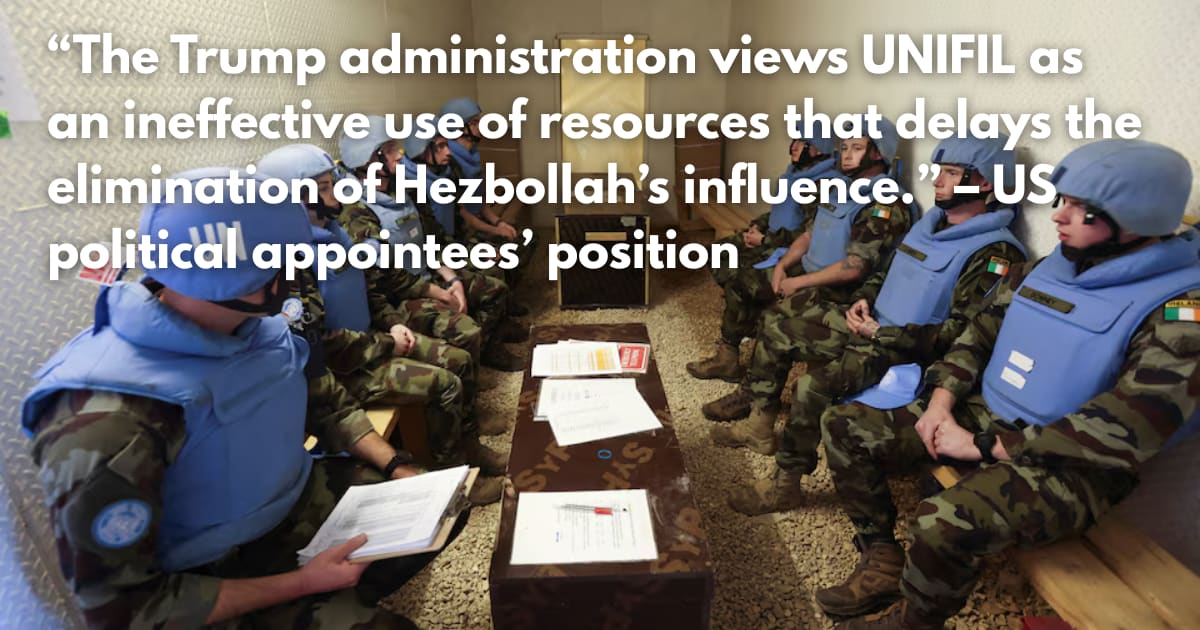
The Trump administration is sceptical of international groups and has become more critical of UNIFIL. Secretary of State Marco Rubio recently suggested starting to reduce the mission within six months, showing the US is trying to cut back on its support for international peacekeeping efforts. Some people in the US think the mission has only kept Hezbollah in check and not removed it.
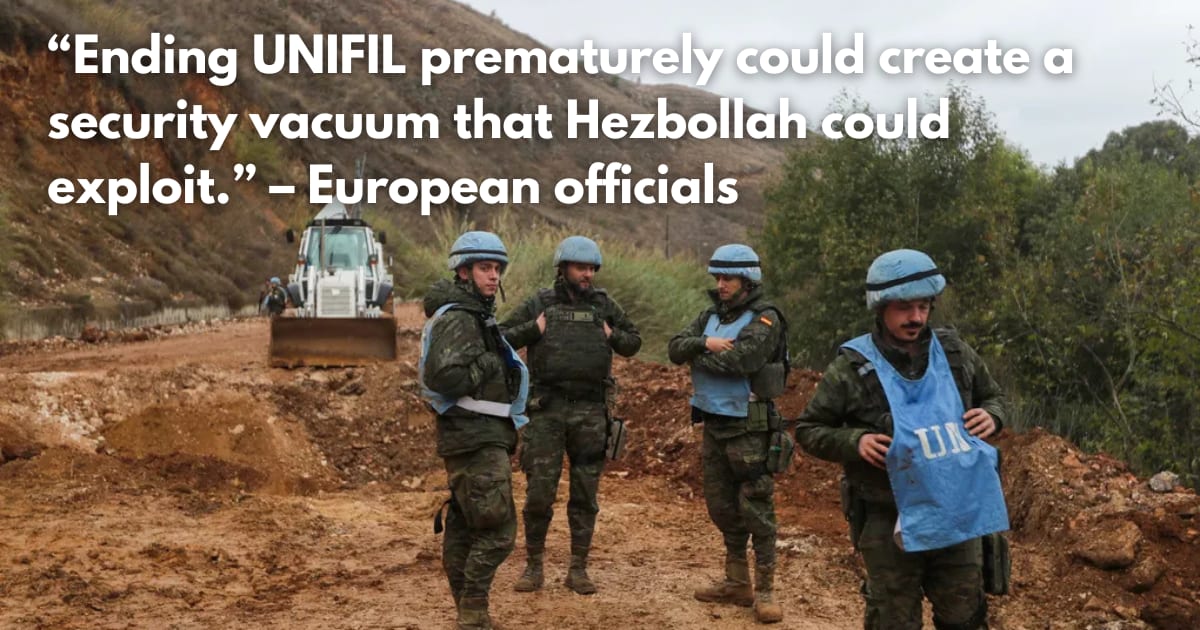
But this plan has worried European allies who have put a lot into the mission. France, which has strong ties with Lebanon, sends the most troops from Europe to UNIFIL, followed by Italy. For these countries, leaving too soon could leave a security gap that Hezbollah might fill quickly.
Europe’s Strong Stance
European diplomats are worried about the US position and are pushing for a full one-year renewal of UNIFIL’s mission. They say that Lebanon’s army is not well-funded, overworked, and not properly equipped enough to take over the peacekeeping duties on the ground.
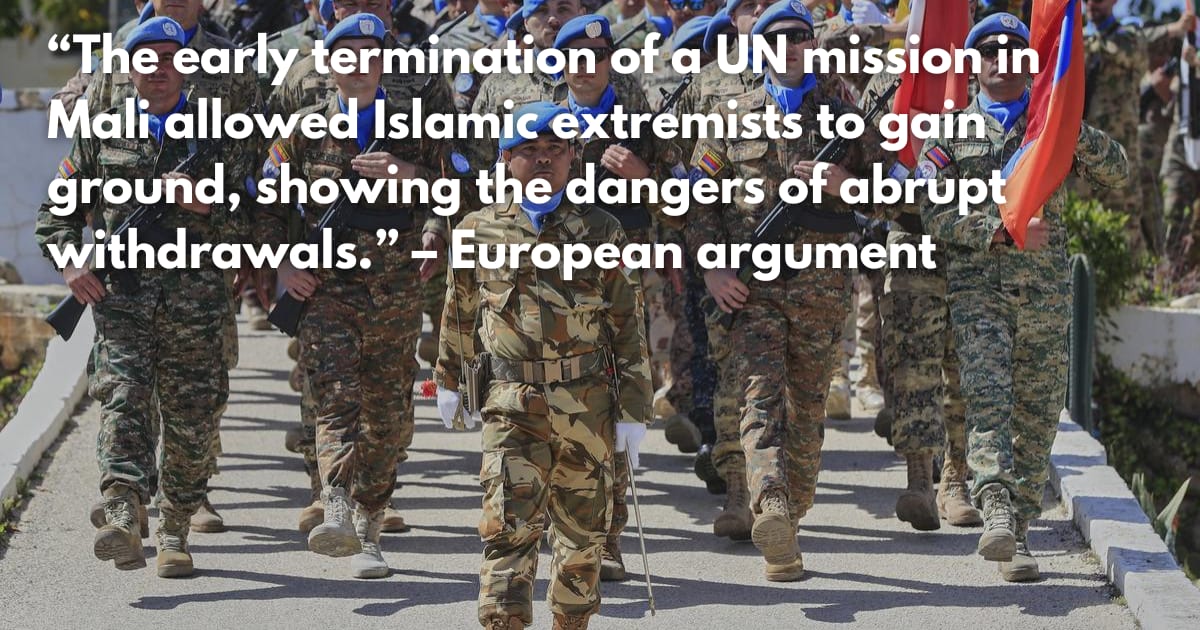
France has proposed a draft resolution at the UN Security Council that asks for a one-year extension of UNIFIL’s mission while also leaving room for a slower reduction later. Italian officials share these worries, bringing up recent examples from Africa, like the early end of a UN mission in Mali, which led to extremist groups regaining power and causing more problems in the region.
A top European diplomat, who spoke to Reuters without naming themselves, warned, “If UNIFIL leaves too quickly, Lebanon will face a lot of instability, and the effects won’t stay within its borders.”
Israel’s Careful Approach
Surprisingly, Israel—which usually criticises UNIFIL—has agreed to support the EU plan for a temporary extension. Israeli leaders say that while UNIFIL hasn’t stopped Hezbollah from getting more weapons, its departure could make Hezbollah even more powerful.
Israeli intelligence officials say they have found tunnels and weapons hidden near UNIFIL posts, showing Hezbollah is expanding its activities. Sarit Zehavi, a former military analyst, said, “UNIFIL’s monitoring often slows down Hezbollah but doesn’t stop it completely.” However, Israel appears content to maintain the peacekeepers in place for the time being, provided they remain under close observation.
Lebanon’s Tenuous Situation
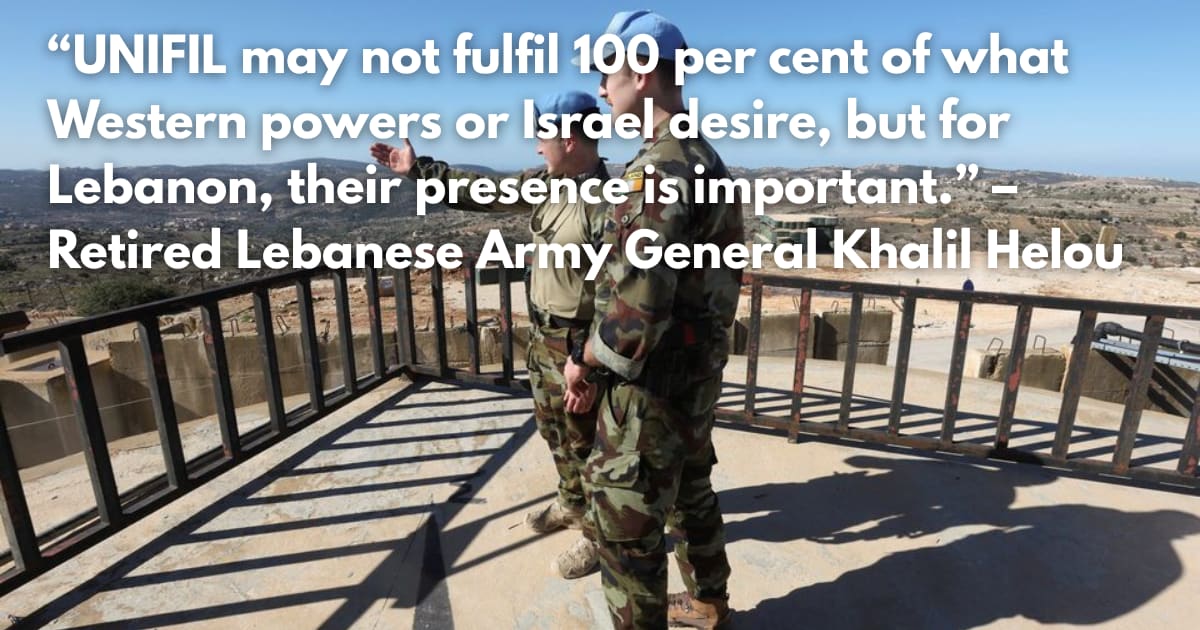
Within Lebanon, the issue is even more urgent. The Lebanese military has reached its limits due to internal conflicts and a severe economic crisis. They are not ready to take over the peacekeeping mission right away. A retired army general, Khalil Helou, told local news that ending the mission suddenly might force the army to move troops from important places like the Syrian border, creating more instability.
“UNIFIL might not meet all the hopes of Western countries or Israel,” Helou said, “but for Lebanon, their presence is necessary. Without them, we could see fighting start up again rapidly.” Lebanon is still dealing with economic collapse, high unemployment, and deep political differences.
In this tough situation, removing international peacekeepers could make a country already on the edge even more unstable.
A Broader Test of Global Alliances
Beyond Lebanon, this dispute shows a bigger conflict of ideas. Under Trump, the US has kept trying to reduce its involvement in international efforts, favouring deals between just two countries instead of working with many. Europe, on the other hand, still believes that working with many nations is key to keeping the world stable and orderly.
BBC News says that the US’s current stance is a big change from its usual role of supporting democratic values and peace around the world. By doubting the UN's peacekeeping efforts, the US might be weakening an organisation that many of its friends still rely on.
Some experts also say this disagreement could hurt the relationship between the US and Europe, which is more important than ever. Whether it’s dealing with Russia in Ukraine, problems in the Sahel region, or rising tensions in the South China Sea, teamwork is needed more now than ever.
The Road Ahead
As the Security Council gets ready to decide the future of UNIFIL, diplomats know that some kind of agreement is going to have to be made. Most people think the mission will get a short-term extension of at least six months, along with promises of changes and a slow reduction. But the bigger question—what is the real purpose of peacekeeping in today’s changing world?—still hasn’t been answered.
UNIFIL spokesperson Andrea Tenenti said the mission will keep going until the Council says otherwise. “We are here to help all sides obey the rules,” he said, “and we’re waiting for the Council’s final decision.” Currently, southern Lebanon is still tense but not breaking out into violence. People are carrying on with their daily lives, watched over by peacekeepers with blue helmets, even as world leaders argue about their future. Whether this fragile peace can last without UNIFIL is a question that Lebanon—and the world—might soon have to face.
Conclusion
The fight over UNIFIL’s future is more than just about Lebanon—it’s about how the world handles conflict in a time when alliances are changing, money is short, and trust in global groups is dropping. Europe sees UNIFIL as important for keeping things stable; the US sees it as a costly old system.
For the people of Lebanon, though, the debate is very real and urgent. As one person from a village near the border told Al Jazeera, “Politics happens in New York or Washington, but here, we just want peace.”
Our primary goals at FazTimes Media are to be accurate and confident and adhere to the highest journalistic standards. We check every news story we share against several trustworthy and separate sources to ensure its accuracy.
We have reviewed this report, along with articles from major news outlets worldwide, including BBC News, Reuters, Bloomberg, Al Jazeera, NDTV, The Economic Times, and The Indian Express.
We want to keep the highest standards in global journalism so that our readers can trust the information they acquire.


Discussion0
Join the conversation on this story
Loading comments...