
Hamas Slams Israel's Gaza Plan, Calls Netanyahu 'Obstacle to Peace'



FazTimes Media: Hamas' strong criticism of Israel's new military plan to take control of Gaza City has further dented peace hopes for Gaza. The Palestinian group said Israeli Prime Minister Benjamin Netanyahu was blocking efforts to reach a ceasefire and free hostages, while international mediators keep trying to bring both sides together. On Wednesday, Israeli Defence Minister Israel Katz ordered almost 60,000 reservists to assist in a major military operation in and around Gaza City. This gesture is another step up in a conflict that has gone on for almost two years, causing thousands of deaths, destroying buildings, and making the humanitarian crisis in Gaza almost impossible to handle.
Hamas immediately condemned the decision, calling it a "complete disregard for international efforts to mediate." The group said Netanyahu's government is focused on "total control" rather than freeing hostages or helping the people in Gaza who are suffering from attacks.
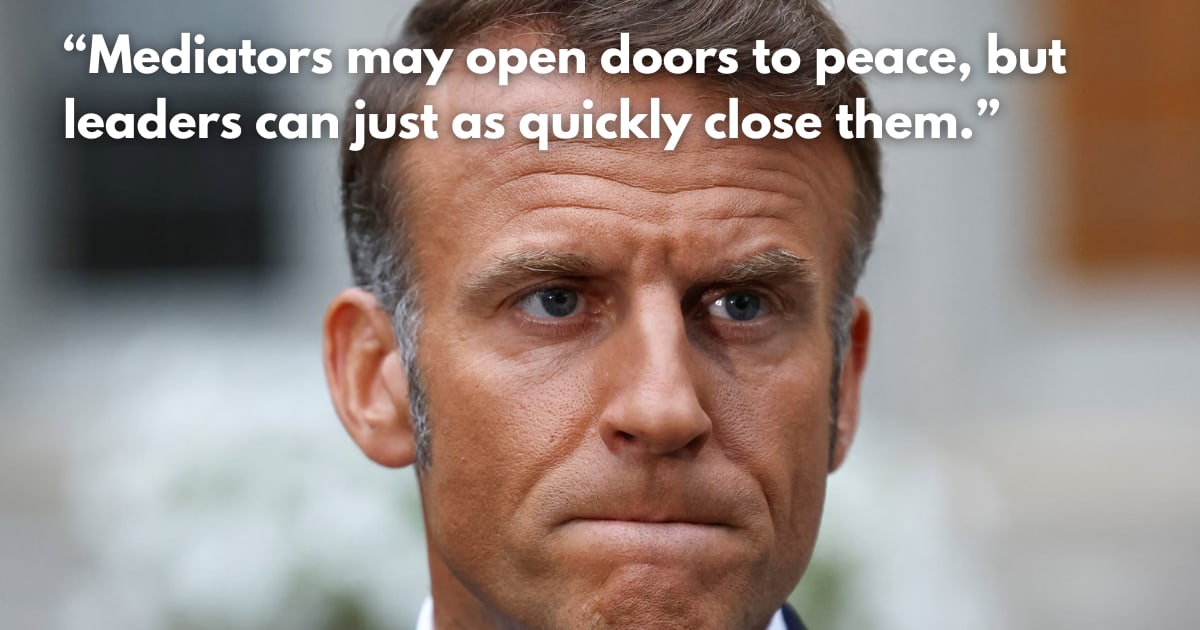
Hamas leaders went even further, accusing Netanyahu of stopping any possible deal. They stated, "The real problem preventing any agreement is Benjamin Netanyahu himself." A senior Hamas official, Mahmoud Mardawi, shared the news on social media, saying Hamas had "opened the door" to a deal, but Netanyahu kept "slamming it shut".
Al Jazeera reports that Hamas recently approved a detailed plan that includes:
A 60-day ceasefire
A step-by-step release of hostages in Gaza
The freeing of many Palestinian prisoners from Israeli jails
More aid and supplies to Gaza, like food, medicine, and fuel
Mediators from Qatar, Egypt, and the U.S. praised this proposal. Qatar even called it "almost exactly like" one Israel had agreed to in principle earlier this year. However, Netanyahu has not yet publicly supported or rejected the deal. Instead, his office said he had told military leaders to "speed up the attack on terrorist bases" in Gaza, showing that they are focusing more on military actions than on talks.
International frustration is increasing as there's no sign of progress in the situation. Mediators from around the world are getting more and more frustrated. Egypt's foreign ministry has stated that now it's up to Israel to take action. U.S. officials are quietly worried that Netanyahu's government is making it harder for diplomacy to work.
BBC News reports that the U.S. is pushing for a ceasefire plan that would address both Israel's security needs and the urgent humanitarian needs in Gaza. But Israeli leaders are not willing to give in or make any compromises.
Experts say Netanyahu's tough position is due to both domestic and political factors. He is dealing with protests back home and growing disagreements within his group. He might not feel like making concessions that could be seen as showing weakness.
The situation for people in Gaza is getting worse. While top officials are still arguing, civilians are caught in the middle. Gaza's civil defence agency reported Wednesday that new Israeli strikes and shootings had killed at least 25 Palestinians. Witnesses reported the transformation of entire neighbourhoods into ruins, as families desperately searched for survivors beneath the collapsed buildings.
Human aid groups are warning that the situation in Gaza is getting worse quickly. The UN says almost 80% of the population now depends on aid just to survive. Hospitals are running out of supplies, with doctors doing surgeries without anaesthesia. Electricity is only available for a few hours each day.
A spokesperson for Médecins Sans Frontières said, "The humanitarian crisis has reached unbearable levels. Any more military action will only make the suffering of ordinary people even worse." The Israeli military has said the new action will focus on “slow, accurate, and aimed actions” in parts of Gaza City that are still not fully controlled. According to Haaretz, military experts are concerned that the potential for block-by-block fighting in the city could result in further harm to civilians.
Some former Israeli army leaders have also raised concerns about when the operation is happening. Amos Yadlin, a former top military intelligence officer, said, “Without a peace plan, military wins can be short-lived.” He added, “At some point, we will have to ask if our actions are making us safer or making things worse.”
The fighting is not only affecting Israel and Gaza but also making things more unstable in the whole Middle East. Fights with Hezbollah in southern Lebanon are getting worse, causing fear of a bigger war. At the same time, Iran is using the situation to bring more support to its allies, making political tensions worse.
Al Jazeera notes that countries like Qatar and Saudi Arabia are still cautious. Although they have helped with aid and tried to mediate, they worry that Israel’s tough tactics could mess up efforts to create a more peaceful area. Inside Israel, Netanyahu’s way of dealing with the conflict is causing more disagreement. Families of people held by Hamas are holding weekly protests in Tel Aviv, blaming the government for not focusing on getting their loved ones back and instead choosing to keep fighting. One protester told BBC News, “We want our sons and daughters back home, not more funerals.”
In the Israeli parliament, leaders from the opposition are saying Netanyahu is keeping the war going so he can stay in power. Yair Lapid, leader of the opposition, said, “A fair leader would have agreed long ago. Instead, we have endless fighting and no clear way forward.”
What comes next?
The near future is still very unclear. Hamas says it is ready to continue with the peace plan and the prisoner exchange, but Israel is getting ready for another big military action. People trying to help settle the situation are working fast, but they don’t have much power to change things.
Experts are worried that if there’s no progress soon, the war could go on forever, causing more harm to Gaza and making Israel face more international criticism. “The situation is like a pressure cooker with no way to let out the pressure,” said a Middle East expert speaking to The Guardian. “Unless leaders on both sides are brave, we will see more fighting, not peace.”
Ending the conflict
The disagreement between Israel’s military actions and Hamas’s desire for talks shows how much distrust there is in this fight. Hamas says Netanyahu is stopping peace to help his political goals, while Israel says only a complete victory can bring safety.
For the people in Gaza and the families of hostages in Israel, the conflict isn’t just a discussion. The choices made in places like Jerusalem, Doha, Cairo, and Washington will decide their lives. Until these choices match, the pattern of violence is not going to stop. As BBC News reported this week, “Each day without a ceasefire means more lives are lost, more homes are destroyed, and more hope is lost.”
Our primary goals at FazTimes Media are to be accurate and confident and adhere to the highest journalistic standards. We check every news story we share against several trustworthy and separate sources to ensure its accuracy.
We have reviewed this report, along with articles from major news outlets worldwide, including BBC News, Reuters, Bloomberg, Al Jazeera, NDTV, The Economic Times, and The Indian Express.
We want to keep the highest standards in global journalism so that our readers can trust the information they acquire.


Discussion0
Join the conversation on this story
Loading comments...