
Hasina's Son: Bangladesh Criminalizes Grief After Crackdown

FazTimes Media, Dhaka: Bangladesh is going through one of the most chaotic times in its political history. There’s a lot of talk about the government being too harsh and stopping people from expressing their sadness. The news comes just as the country is remembering the 49th anniversary of the assassination of Bangabandhu Sheikh Mujibur Rahman, the man who helped start Bangladesh. His death on August 15, 1975, is a national day of mourning.
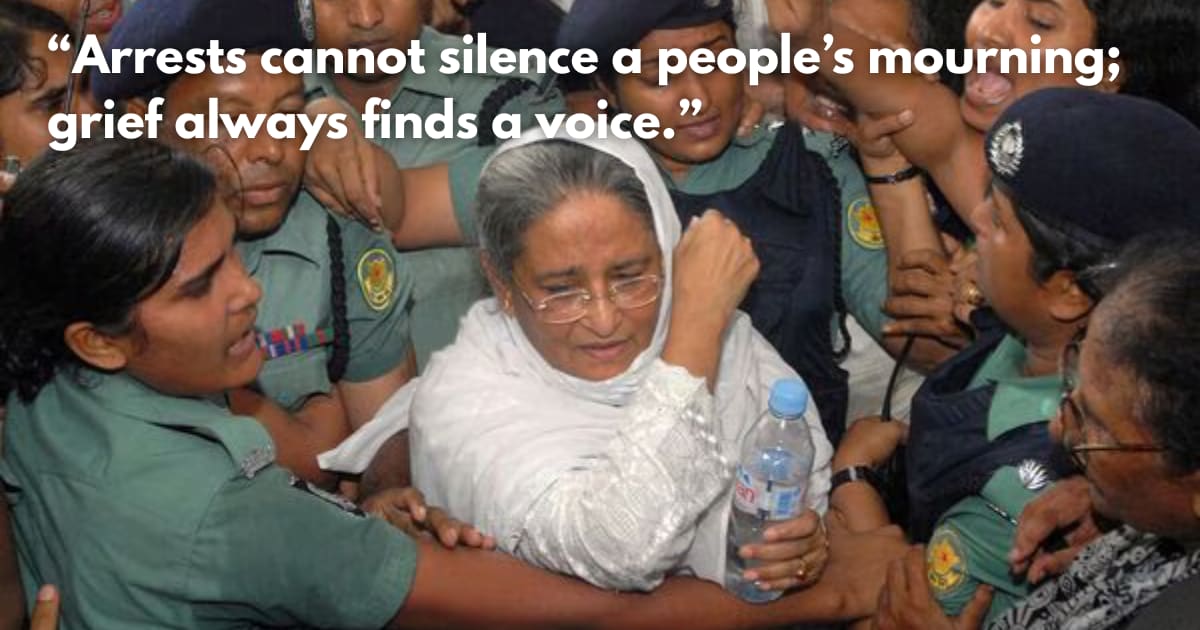
But this year, the way people are remembering him has changed a lot. The government, led by Muhammad Yunus, decided not to officially observe the day and told people not to have big gatherings. The police stopped, arrested, or even threatened those who still wanted to remember Bangabandhu.
Discussions about the episode have been widespread in Bangladesh and other regions. People are asking a big question: Is it now a crime to feel sad about the past?
“Grief Has Been Criminalised” – Sajeeb Wazed Speaks Out
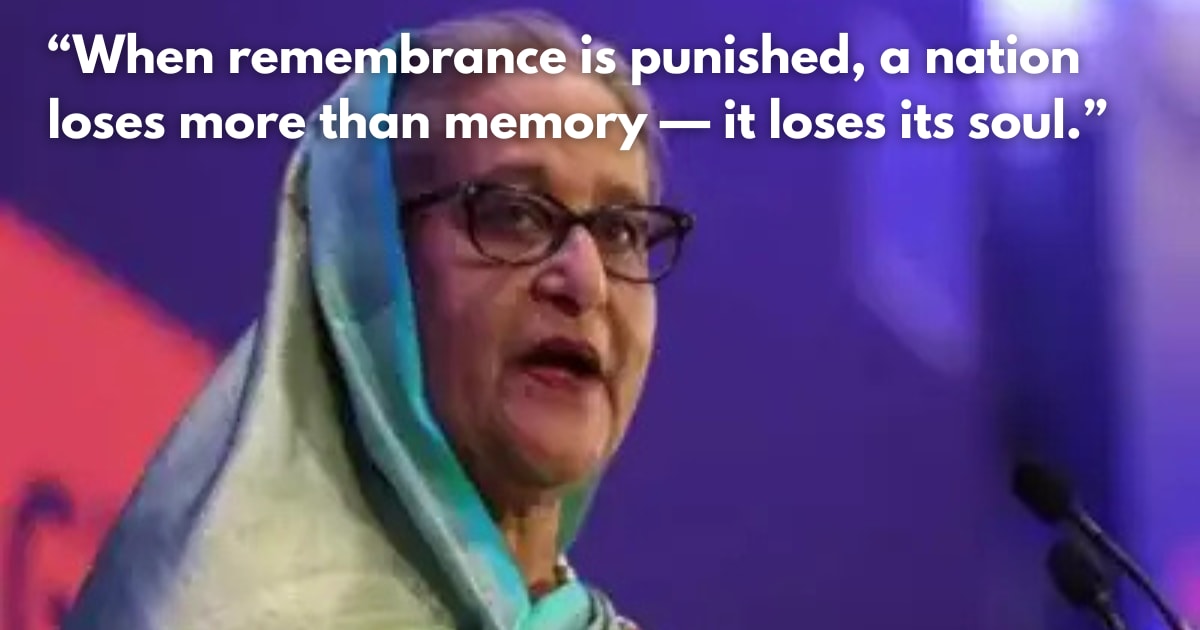
Sajeeb Wazed Joy, the son of former Prime Minister Sheikh Hasina and the grandson of Sheikh Mujibur Rahman, says the Yunus government has gone too far. In a post on X (formerly Twitter), he called the events of August 15 a government attack on the memory of the country's leader.
“Across Bangladesh, grief has been criminalised,” he wrote. “On August 15, the day that marks the assassination of the nation's founding father, citizens who dared to remember their liberator found themselves hunted, silenced, and dragged into darkness.”
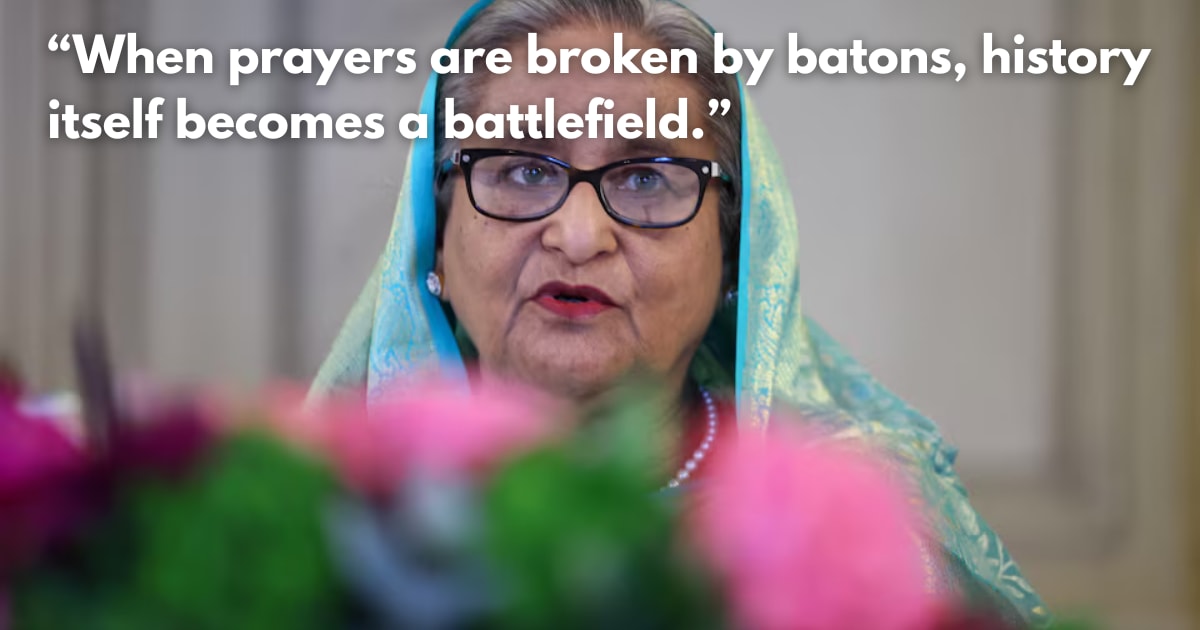
He said people from all walks of life were targeted. Teachers, religious leaders, students, and even rickshaw drivers were punished for praying or attending events to honour Bangabandhu’s memory.
Arrests, Vandalism, and Fear
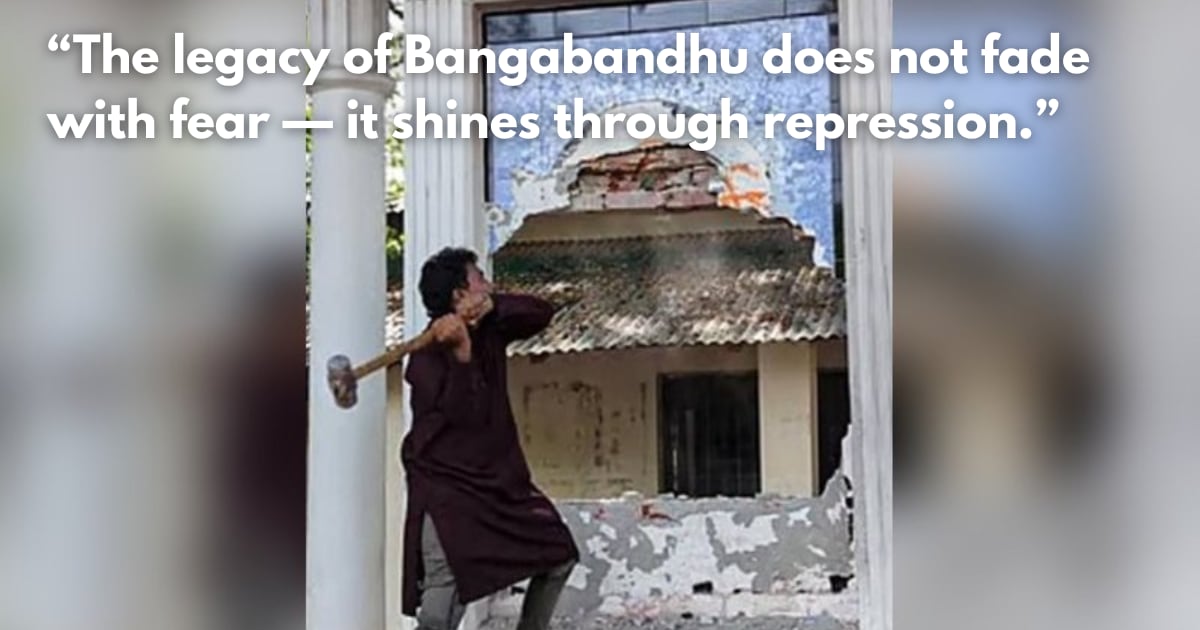
Many reports say that the day had more than just arrests. There was also damage to murals and memorials connected to the Liberation War. Leaders in Dhaka and Rajshahi said that police went to mosques and community centres to prevent people from gathering. Others said that early morning raids happened, and teachers and professionals were taken into custody.
BBC News reported that residents of Dhaka experienced a "climate of fear." Many stayed inside instead of going to mourning events. Some families said their loved ones were held without any reason, which worried human rights groups.
A political analyst from Dhaka University told Al Jazeera, “Bangladesh is now walking a tightrope between stability and suppression. When even mourning becomes unsafe, it shows a deeper loss of democratic values.”
Why August 15 Matters
For almost fifty years, August 15 has been a significant day in Bangladesh. Sheikh Mujibur Rahman, the first prime minister and "Friend of Bengal", is remembered for helping gain independence in 1971. On this day, people usually pray in mosques, temples, and churches, give food to the poor, and have cultural events and gatherings. The Awami League, led by Mujibur’s daughter Sheikh Hasina, has always made this day a key part of its political message.
So, when this day is cancelled, many see it as a break from the country’s history. Critics say that the Yunus-led government, trying to move away from the Awami League, has ended up making many people feel left out.
Yunus Government Under Scrutiny
The temporary government, created after a long period of political instability and following Sheikh Hasina’s departure, is having trouble gaining support. Muhammad Yunus, a Nobel Prize winner who became a political leader, took charge with promises of reforms, responsibility, and stopping corruption. However, the recent actions have led to accusations of being authoritarian.
People who disagree say Yunus is trying to reduce the Awami League’s power at the local level by ignoring or lessening the memory of Bangabandhu. A writer in Dhaka Tribune wrote, “If you take away August 15, you are not just attacking Hasina’s party—you are changing history.”
International groups are also paying close attention. The United Nations Human Rights Office has shown “great worry” about the arrests and wants Dhaka to respect freedom of gathering and religious beliefs.
A Split Country
On the ground, the situation is making people more divided. Supporters of the Awami League regard the actions as an attack on their culture and politics. Others, who don’t like the party, say Hasina used August 15 to gain more power in the past.
Nonetheless, the impact on regular people, including daily workers, students, and small business owners, is evident. The government's decision to stop events negatively impacted local businesses, which typically thrive during these times. There was also a reduction in the number of families providing food to the poor.
A resident from Rameshwarpur told The Hindu: “We just wanted to pray for the Father of the Nation and help a few hungry people. How can that be against the law?”
The Symbolism of Silence
Experts think that trying to stop people from remembering August 15 might make things worse. History shows that when governments try to forget the past, they tend to come back stronger.
A political historian in Chittagong said, “Every prayer that is silenced, every mural that is erased, and every gathering that is banned becomes a seed of resistance.” Sheikh Mujibur Rahman is a key figure in Bangladesh’s history. No law can change that. Some say the strict rules this year have made August 15 more noticeable around the world. The fight over remembering this day is just as important as the memories themselves.
At a Dangerous Crossroads
Sajeeb Wazed has warned that Bangladesh is at a dangerous point. If the government tries to stop people from grieving, it could lead to more problems. “On August 15, Yunus may have tried to forget the past by being strict,” he wrote, “but in every teacher who is arrested, every imam who is silenced, every broken mural, the memory of Bangabandhu still burns.”
People think that if the government keeps going this way, it might split from the Awami League and lose support from ordinary people. For a country already dealing with money problems, bad weather, and political problems, this is a tough situation to handle.
The Road Ahead
What happens next could shape Bangladesh’s future for a long time. Will the Yunus government change its mind and allow people to remember freely? Or will it become even stricter, making things worse with Hasina’s group and causing more protests?
Pressure from around the world is getting stronger. Countries like India, which have a history with Mujibur Rahman, are watching closely. Groups in Bangladesh are also calling for calm and urging the government to remember that peace, not force, is the right way.
As BBC News reported, “The fight over August 15 is not just about one person—it is about the identity of an entire country.”
Conclusion
For Bangladeshis, sadness is not just a feeling—it is a shared memory, connected to the country’s past. To stop people from mourning is to stop them from remembering history. As Bangladesh moves through this difficult time, one fact is clear: no law can erase the memory of Sheikh Mujibur Rahman. His story, written into the soil of 1971 and the struggles that followed, will always inspire millions.
Whether the interim government sees such an impact or not will decide whether Bangladesh moves toward peace—or falls deeper into its crisis.
Our primary goals at FazTimes Media are to be accurate and confident and adhere to the highest journalistic standards. We check every news story we share against several trustworthy and separate sources to ensure its accuracy.
We have reviewed this report, along with articles from major news outlets worldwide, including BBC News, Reuters, Bloomberg, Al Jazeera, NDTV, The Economic Times, and The Indian Express.
We want to keep the highest standards in global journalism so that our readers can trust the information they acquire.


Discussion0
Join the conversation on this story
Loading comments...