
How to Stay Safe from Animal-Borne Diseases: A Guide to Prevention

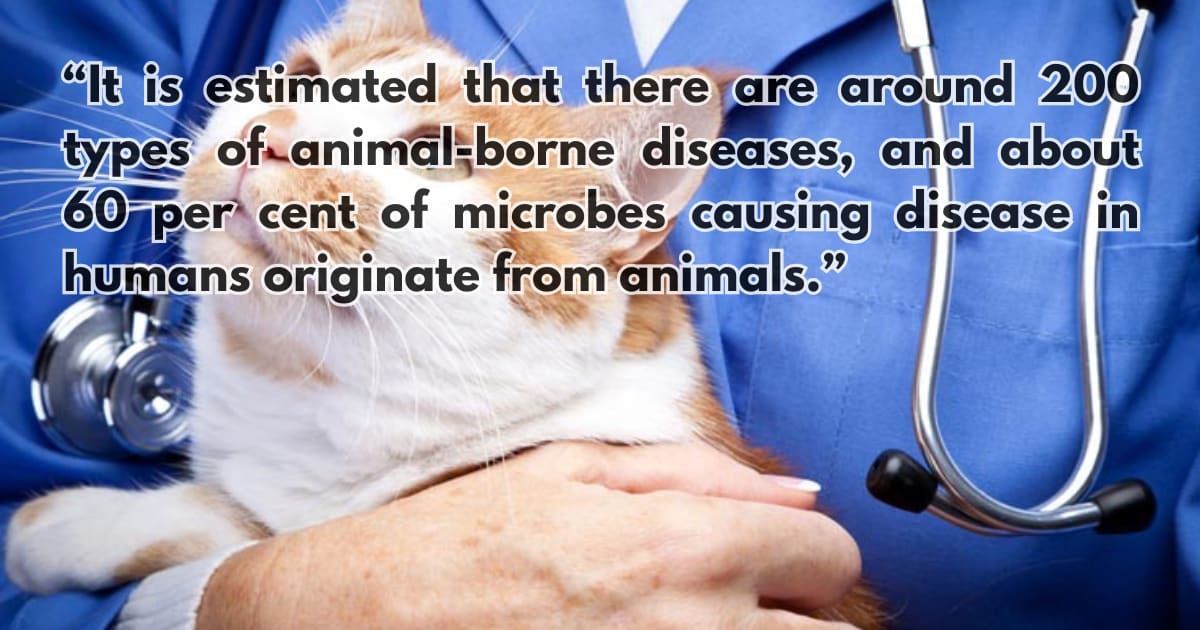


FazTimes Media: People and animals live closer together than ever before, which means that diseases are more likely to spread from animals to people. These kinds of illnesses, which are called zoonotic diseases, happen a lot but aren't always noticed. About 60% of the World Health Organisation (WHO) estimates that animals spread about 60% of all infectious diseases in people. Every four new illnesses in people are first found in animals.
Bloomberg News says that the recent cases of avian flu, swine flu, and even the COVID-19 pandemic show how quickly infections that come from animals can become big health problems around the world. People can get sick from common home animals like dogs, even when there aren't any big outbreaks. Their vulnerability is because they don't take the right precautions.
This piece discusses how these diseases spread, the importance of stopping them, and the actions families can take to protect themselves from hydatid disease and other illnesses.
Getting to Know the Threat
Animals can contract diseases from other animals. Viruses, bacteria, fungi, and parasites cause these diseases. These diseases can spread through contact with infected animals, consumption of contaminated food or water, or insect bites.
Hydatid disease, which is also known as cystic echinococcosis, is a good example. It is caused by a tapeworm parasite called Echinococcus granulosus. Many people don't talk about this disease in everyday life, but it can be a secret threat in many places.
How the sickness gets around
Dogs, particularly those that consume live meat from cows, goats, or pigs, can spread it. Worm eggs are found in dog poop. Some people swallow the eggs by accident when they touch dirty things, like mud, dog fur, or dirty surfaces.
When the worm eggs get inside the body, they move through the blood and can settle in the brain, lungs, liver, spleen, or more. The worms create large fluid-filled sacs that can be very dangerous and even fatal. This disease is very dangerous because dogs that have the parasite often look completely healthy. Unaware of the potential risks, people may continue to keep their pets around.
A hydatid disease that is difficult to find can last for a long time. A lot of people don't know they have a problem until the cysts get big enough to change how their organs work. People may notice the following signs:
Lower back pain that won't go away
Being sick to your stomach and losing weight for no reason
If the cysts are in the lungs, you may cough and feel pain in your chest.
Thoughts: If the infection gets to the brain, it can cause issues like seizures. To find out if someone has this disease, doctors use blood tests and scans like ultrasound, CT scans, or MRIs. Surgery is needed to remove cysts in serious cases, but early treatment improves recovery. If you don't treat the cysts, they could burst, which would let the infection spread inside your body and could also cause major allergic reactions.
Al Jazeera says that there is a higher chance in some rural areas of South Asia, such as parts of India. This is because many people there live close to animals and feed their dogs raw meat from animals.
Why it's important to prevent
There are ways to treat the disease, but it's always better to avoid getting it in the first place. This is because the disease is often easy to control by making small changes to how you live. Doctors and veterinarians say that the best way to protect people is to make them more aware of the problem. In many places, though, pet owners don't know about the risks or don't think it's important to follow bathroom rules.
Here are eight useful ways to stay safe.
Here are eight easy but important things you can do to avoid getting hydatid disease and other animal-borne illnesses:
Clean up the places where dogs live.
Make sure that the dog's cage, place to rest, and the area around it are cleaned and germ-free regularly.
Animal waste can spread germs if it is not thrown away properly.
Do not serve your dogs raw meat.
Harmful bugs are killed when meat is cooked. The main thing that makes dogs sick is eating raw or undercooked meat from sick animals.
Cleanse your hands well.
If you touch a dog or clean their space, you should always wash your hands with soap and warm water. Start teaching kids how to do this early on.
Give your pet regular veterinary care.
As advised by a vet, give your dog medicine to keep parasites away. Check-ups can help find health problems early on.
Keep sick animals apart.
If your dog is acting strangely, keep it away from other pets and people until you see a vet. This stops the sickness from getting around.
Don't get too close to dogs.
Do not let dogs lick your face or hands or kiss you. Tell kids not to touch toys or dog food bowls.
Be careful when you're out in public.
After being in the open, in parks, at markets, or anywhere else, wash your hands and legs well. Do not wash your hands right away. Instead, use hand sanitisers.
Raise awareness in the community.
Ask your friends and groups in the area to be safe. Diseases are less likely to spread when everyone is careful.
Other Animal-Borne Risks Besides Dogs
Dogs are a major source of hydatid disease, but other animals also spread dangerous diseases:
Bovine and goat brucellosis can be passed on, which leads to fever, joint pain, and long-lasting weakness.
Birds: Spread avian flu, a sickness that people get and that keeps coming back. Rabies and other viruses are spread by monkeys and bats.
Rodents: Dirty water spreads Leptospirosis. Indian towns have grown, forests have been cut down, and more animals have been kept as pets, according to The Hindu. This has led to more zoonotic diseases.
The Bigger Picture: One Way to Get Healthy
Experts say that people alone aren't enough to stop diseases that come from animals. WHO and other international groups back the "One Health" method, which shows how the health of people, animals, and the environment are all linked.
As an example:
Proper care for animals keeps them healthy, which keeps both animals and people from getting sick.
Taking care of trash the right way keeps it from harming the water and land. When health and animal care groups work together, it's easier to stop disease outbreaks quickly.
Last Thoughts
Animal-borne diseases don't just hurt people and animals; they also hurt people and the world. Everyone in the community needs to know about these problems and do something about them. Hydatid disease and other illnesses that seem rare or unknown can be avoided by practising good hygiene and taking good care of pets.
Families in India, especially in Assam and Kerala, have more pets and live closer to animals than ever before.
This makes it more important than ever to know about these risks. Taking care of our health also means taking care of our pets' health.
BBC News reports that experts from all over the world say the next big disease outbreak could be caused by how people and animals connect with each other. Individuals living in typical households understand the importance of establishing daily habits at home to prevent the spread of animal-related diseases.
The best way to enjoy our love for animals without putting ourselves in danger is to learn about them, keep things clean, and be responsible.
Our primary goals at FazTimes Media are to be accurate and confident and adhere to the highest journalistic standards. We check every news story we share against several trustworthy and separate sources to ensure its accuracy.
We have reviewed this report, along with articles from major news outlets worldwide, including BBC News, Reuters, Bloomberg, Al Jazeera, NDTV, The Economic Times, and The Indian Express.
We want to keep the highest standards in global journalism so that our readers can trust the information they acquire.


Discussion0
Join the conversation on this story
Loading comments...