
How to survive and stay safe from snakebites? Why you shouldn’t run
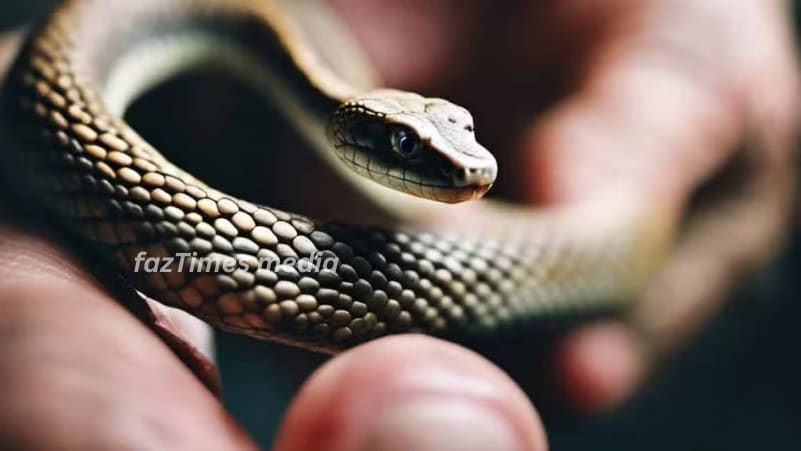
fazTimes media: Picture a calm evening stroll through the thick green forests of Kerala, where the air smells fresh with the mix of damp earth and flowering plants. But there's something unseen that could pose a risk—snakes. These animals play an important role in nature, but they can also be dangerous, especially in places like Kerala, where snakebites happen more often than people might realize. The Kerala Forest Department says the state has about 114 types of snakes. Only a few of them are poisonous, but they still cause many snakebite cases each year. To deal with this health issue, the government of Kerala has a big plan—to stop deaths from snakebites by the year 2030. Part of this plan includes making more antivenom and teaching people how to stay safe.
Now, you might be wondering—how can you stay safe?
What actions should you take if a snake bites you or a loved one? And why is it so important not to run away? Here’s all the information local readers should know.
Kerala's Most Dangerous Snakes
Abeesh K. confirms this information.
According to A., who runs the SARPA app in Kottayam, the four most venomous snakes commonly found in Kerala are
Indian Cobra
Russell’s Viper
Saw-Scaled Viper
Common Krait
Although king cobras are very venomous, they are not often seen and are usually found deep in forests or near forest edges. As reported by Al Jazeera, snakebites from king cobras are very rare, so they are not included in the list of the top venomous snakes that most affect people's health in Kerala.
Understanding Snake Behavior
Many people get scared just when they hear about snakes, but it's vital to know: snakes are usually more afraid of us than we are of them. Snakes don’t usually run after or attack people unless they feel threatened or get upset.
After eating, most snakes like to rest and stay calm.
Keep your area tidy.
Know the Venom.
Each poisonous snake has its kind and amount of venom, and it affects the body in different ways. The krait’s venom affects muscles, while cobras have a mix of venom that harms both the nerves and the body’s cells. Learning about these differences helps doctors give the right treatment fast.
What Are Dry Bites?
It’s surprising to know that not all snake bites are life-threatening. Reports say about half of the snake bites in Kerala are “dry bites”—meaning the snake didn’t inject any venom. These bites still need quick medical care because symptoms can come later or get worse from infection.
Venom is a type of toxic saliva that snakes use to immobilize their prey and begin the digestion process.
A dry bite usually happens when the snake is scared and trying to protect itself instead of hunting.
What to Do if Bitten by a Snake
The most important thing after a snakebite is not to panic or run. “When you panic, your heart beats faster, which makes the venom spread quicker,” explains Abeesh K.A., who has assisted in numerous snake rescues in Kerala. “The more you move, the faster the venom moves through your blood.”
Life-Saving First Aid Steps:
Stay calm and avoid moving as much as possible.
Lie down on your left side, fold your left hand, and rest your head on it. Keep the bitten area below your heart.
Do not walk or run—ask for help or arrange for transportation.
If you are moving on a two-wheeler, secure the passenger with the rider to prevent them from falling if they feel faint.
Never try old or traditional cures—they can take up valuable time.
Take the person to a nearby hospital that has antivenom available.
The Kerala government has made sure that all hospitals at the taluk level keep antivenom stocked, so treatment can be given even in village areas.
Post-Monsoon Caution
Heavy rains or floods often trigger an increase in snake bites, disrupting people's homes. People should stay alert during this time. “After the monsoon, snakes often come into homes looking for dry places or food,” says Dr. Sreeja Nair, a wildlife biologist. “That’s when most bites happen.”
The SARPA App: Kerala’s Digital Lifesaver
The Snake Awareness Rescue and Protection App (SARPA) is an important project by Kerala’s Forest Department.
At FazTimes, we prioritize accuracy, confidence, and strong journalistic standards. To ensure every news story we share is real, we verify it with multiple trustworthy and independent sources.
We’ve compared this report with coverage from major news outlets around the world, including BBC News, Reuters, Bloomberg, South China Morning Post, Al Jazeera, NDTV, The Economic Times, and The Indian Express.
Our dedication lies in upholding the highest standards in global journalism, ensuring our readers can trust the information they receive.


Discussion0
Join the conversation on this story
Loading comments...