
General
'I Love Muhammad' Row: Congress Defends Prophet Love
By Mohamed Areif Mubarack
Published: Sep 29, 2025, 03:44 AM

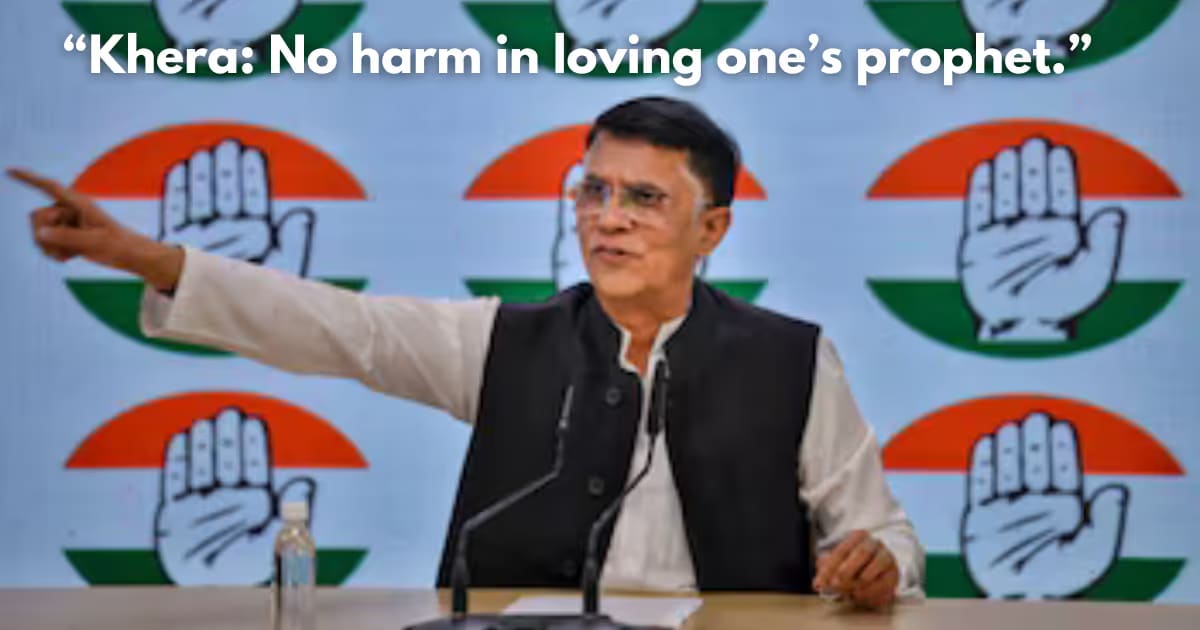
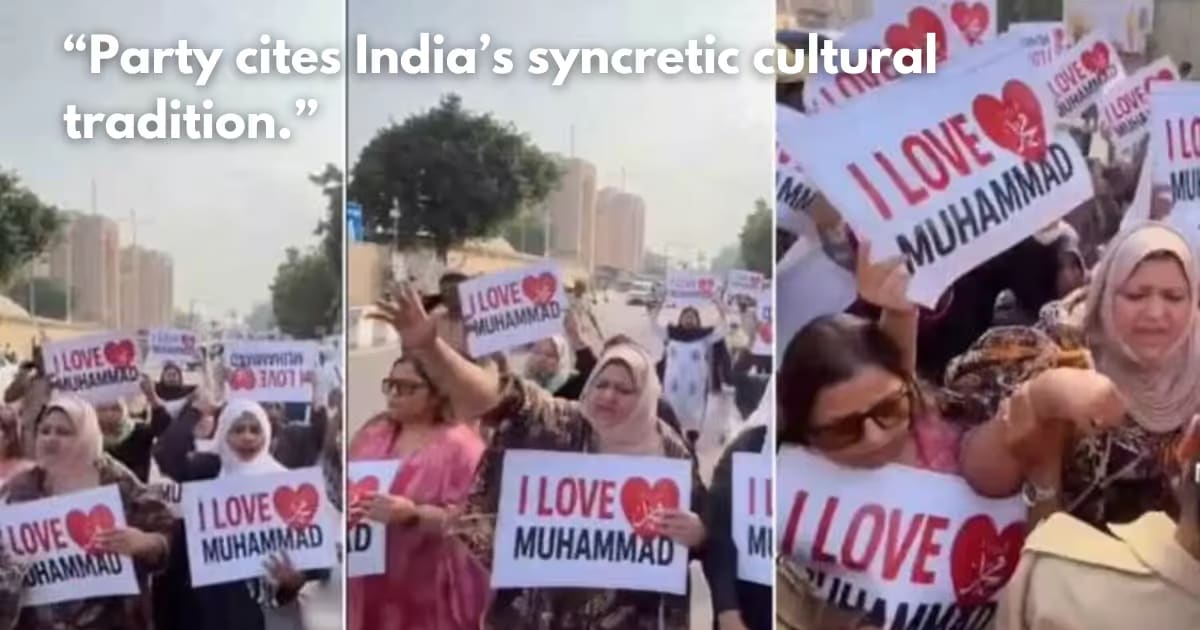
FazTimes Media, New Delhi – A fresh wave of political and social discussion is happening in India because of the controversy around the “I Love Muhammad” campaign. This row has led to protests, arrests, and intense arguments all over the country. At the center of this debate is a simple yet profound question asked by Congress leader Pawan Khera: “Why is it a problem if people love their prophet?”
The campaign, which started as a religious way to show love and respect for the Prophet Muhammad, quickly turned into a major political issue after violent incidents in Bareilly and then spread to other parts of Uttar Pradesh, such as Barabanki, Mau, and Muzaffarnagar. Police carried out raids at night, arrested religious leaders, and closed down shops. This episode has sparked a big discussion about freedom of religion, living in harmony with others, and India’s cultural values.
The “I Love Muhammad” slogan began as a peaceful movement, with signs and slogans showing up in mosques, neighborhoods, and at rallies after Friday prayers.
The arrest of cleric Tauqeer Raza made things even worse, leading to strong criticism from community leaders and opposition parties.
Al Jazeera reported that locals deemed the police actions as excessively severe, and numerous families reported experiencing harassment. “We were just expressing our faith,” said one resident. “Saying ‘I love my Prophet’ is not a crime.”
In response to the debate, the Congressional party took a stand, supporting the right of individuals to show their devotion to their prophet.
According to BBC News, Khera also expanded his message, stating, "I love Muhammad, I love Mahadev, I love Jesus Christ, I love Nanak Dev, and I love India." His words showed respect for multiple faiths and were considered a call to remember India's tradition of religious diversity.
India's rich spiritual history has always been a part of its identity. Religious figures like Kabir, Guru Nanak, and Khwaja Moinuddin Chishti stood for love, kindness, and unity among different religions. Many scholars believe that the campaign's message of loving one's prophet aligns with India's cultural values.
Political experts say that trying to ban such expressions goes against centuries of peaceful coexistence. "If India could accept Sufism and Bhakti movements that preached devotion in various ways, why should it have trouble now accepting Muslims saying they love their prophet?" asked political scientist Prof. Ramesh Yadav.
The controversy also has clear political influences. Congress strongly criticized the Bharatiya Janata Party (BJP), blaming it for creating an environment of intolerance.
Khera's use of the word "dwarves" was considered a criticism of the ruling party leaders, who he claimed were making India's diverse culture smaller and more divided.
The BJP, on the other hand, defended the police action, saying the campaign was "intentionally provocative."
A senior officer declared, "We will not tolerate any actions that disrupt the peace." However, the police’s late-night raids have faced criticism for possibly targeting innocent families.
The Hindu reported that in Muzaffarnagar, people said the police went into homes without permission and asked questions of children. Civil rights groups have asked for an independent investigation into how the police acted.
People in the local areas have different views. For many Muslims, the campaign is a way to show their faith and identity, especially when there is more hostility around.
Suresh Pandey, a trader in Barabanki, said, “We respect their faith, but when groups shout slogans in crowded places, it can feel aggressive.” These different opinions show how challenging it is to keep harmony in India’s towns and cities.
The situation has brought up bigger questions:
Is faith being treated as a crime?
Can showing love for a prophet or god be considered a crime in a country that is supposed to be secular?
Who decides what is provocative?
Is a peaceful slogan really upsetting, or is the reaction to it politically driven?
What is India’s cultural strength?
Does the country’s strength come from accepting many beliefs or pushing for one way?
This issue has also attracted attention around the world. According to Al Jazeera, human rights groups have raised concerns about increasing intolerance in India. Some experts warn that such events could harm India’s global reputation as the “mother of democracy.”
BBC News pointed out that the campaign shows a growing trend where religious identity is becoming a tool for political messages, rather than a personal belief.
In the end, the question remains, as Pawan Khera put it: What’s wrong with loving their prophet?
This belief has helped the country grow and stay strong. Now, this controversy is testing whether that same idea can still lead the nation through times of division and disagreement.
As the Congress party and other opposition groups ask for more understanding, the government is being pushed to make sure that law enforcement doesn’t hurt religious freedom while keeping the country safe and peaceful.
The “I Love Muhammad” campaign is more than just a political issue. It shows how strong or weak India’s society is, reminds people of its many religions, and challenges its democratic values.
If India can let every citizen say “I love my prophet” or “I love my god” without being punished, it will show how strong and accepting the country really is. If it can’t, then it might lose part of its history and push away millions of people who have lived here for a long time.
As the discussion goes on, one thing is clear: India’s strength comes not from stopping people from showing love, but from welcoming all kinds of love.
Our primary goals at FazTimes Media are to be accurate and confident and adhere to the highest journalistic standards. We check every news story we share against several trustworthy and separate sources to ensure its accuracy.
We have reviewed this report, along with articles from major news outlets worldwide, including BBC News, Reuters, Bloomberg, Al Jazeera, NDTV, The Economic Times, and The Indian Express.
We want to keep the highest standards in global journalism so that our readers can trust the information they acquire.
Link:
https://www.faztimesmedia.com/viewpost/i-love-muhammad-row-congress-defends-prophet-love


Discussion0
Join the conversation on this story
Loading comments...