
IAEA: Iran Could Resume Uranium Enrichment "Within Months" Post-Strikes
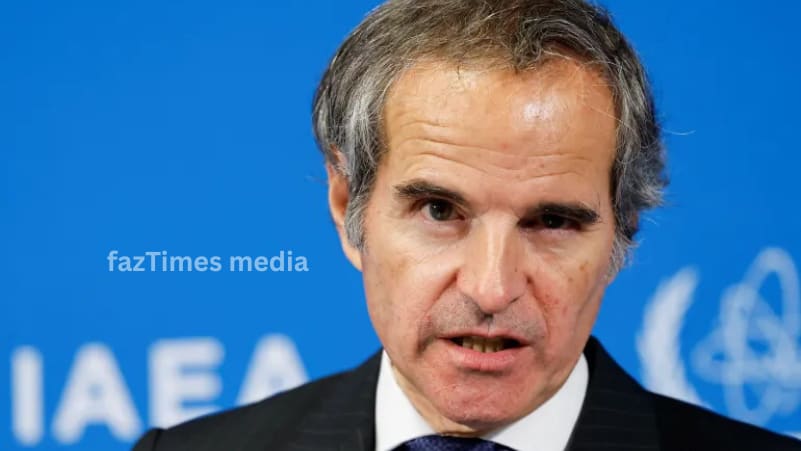
FazTimes News, New Delhi - UN nuclear chief Rafael Grossi warns that Tehran might resume uranium enrichment soon, despite recent damage to its nuclear sites from US and Israeli strikes. According to BBC News and Al Jazeera, Grossi raised worries about rising tensions and instability in the region by comparing how quickly the buildings were rebuilt to how slowly diplomatic progress has been made.
The estimate of the head of the IAEA's director general
Chief Executive Officer of the International Atomic Energy Agency (IAEA), Rafael Grossi, told CBS News on Saturday that many of the important nuclear sites that were attacked are still standing. Grossi said, "They can have, you know, a few cascades of centrifuges spinning and making enriched uranium in a matter of months." This demonstrates the speed at which Iran could recover.
The following sentence points out two big risks: Iran could use its 60% enriched uranium stockpile, which is almost ready for weapons, to make nine nuclear bombs. The IAEA needs immediate access to Iran's facilities, including the Fordow plant, to verify current uranium stocks. "It needs to be made clear," said Grossi.
The Range and Effects of Attacks.
The Israeli offensive began on June 13 and hit several military and nuclear sites in Iran. After that, the US forces hit three nuclear sites. Initially, the goal was to delay or stop Tehran's nuclear program. Former President Donald Trump agreed that the actions taken had indeed delayed Iran's nuclear plans "by decades."
Grossi's warning, on the other hand, makes it clear that physical stalls do not mean permanent losses. Scientists specializing in nuclear materials are closely monitoring the extent of damage to Iran's sites and the potential relocation of nuclear materials to secret facilities.
Iran's response: not letting them in
Iran stopped working with the IAEA after denying access to key sites like Fordow. Grossi pointed out that there was transparency. Without physical inspection, the IAEA cannot confirm whether stockpiles have been moved or destroyed. The situation makes it hard to believe that Iran has nuclear weapons.
The Cost to People of Escalation
This war is not just targeting nuclear plants. Iranian health officials report that the 12-day operation claimed the lives of about 627 civilians. Jerusalem said that 28 people had died in Iran's retaliatory strikes. Israeli attacks on Evin Prison on June 23 may have been the bloodiest single action of the war. They killed 71 people, including prisoners and new soldiers, but Iran says most of the victims were civilians and not experienced criminals.
Al Jazeera says that this event has made Iranians very angry. Many people in the area think the attack was an attempt to free political prisoners, but critics say that's not a good enough reason, given how much damage was done:
"The worst way to do that is to bomb the facility and kill civilians," Resul Serdar Atas of Al Jazeera from Tehran said.
Evin Prison, which is known for keeping political prisoners, has been criticized by the rest of the world for human rights violations for a long time. The prison got in trouble with the EU and UN for how it treated inmates in 2018 and 2021.
The stakes on a global scale and their effects on various regions are significant.
This new round of strikes is affecting the Middle East. If Grossi's warning comes true and Iran quickly starts enriching uranium again, the nuclear situation could get worse and even affect the oil market, military plans, and the peace of diplomacy between countries. BBC News says that possible flashpoints could quickly grow, throwing off the region's delicate nuclear balance. Because of this, neighboring countries may feel like they need to change their rules or make their security stronger.
What to do next for verification and diplomacy
Diplomatic lines and checks by IAEA inspectors will be crucial for getting things fixed as quickly as possible. Experts say that resuming enrichments while being watched is less of a worry but almost impossible without inspections.
Grossi's request is very important: the world needs to know what is being rebuilt, what is still buried, and if nuclear weapons are safe. Since things aren't clear, Iran may only have a short time to get back to having nuclear weapons.
Responses from around the world.
People in charge all over the world are paying close attention. Israel might or might not keep up its air campaign, depending on what the military says and how quickly Iran moves to restock its nuclear arsenal. If Iran does not, there could be pressure to start air or cyberattacks again.
For a long time, Western diplomats have pushed for calm reactions, emphasizing that stopping proliferation is not the same as starting a terrible war.
Who Cares About Local Readers?
Indians and people in South Asia see this problem as more than just a matter of faraway politics. In the past, flare-ups in the Middle East have affected remittances, the safety of diaspora communities, and fuel costs. If Iran starts up its enrichment program again, it could cause more tensions that affect economic and strategic relationships in places outside of the region.
What Could Happen Next?
Diplomatic disengagement: If Iran stays firm, rejects inspections, and speeds up its enrichment, strong international pressure, especially from Europe, could get worse.
New strikes: If there is an unchecked buildup of nuclear weapons, the US or Israel may start more military operations to destroy facilities.
Reopened nuclear talks: If war seems unavoidable, the international community might intervene, potentially leading to renewed nuclear talks.
Keeping an eye on a dangerous countdown
UN nuclear chief Rafael Grossi warns Iran may resume uranium enrichment in months, putting global diplomacy in focus. Grossi says Tehran could have functional centrifuges "in a matter of months" despite recent damage. If Iran agrees to let IAEA monitors in, the situation could get much worse faster or stop for a short time.
As long as there are tensions and civilians are hurting, these events need our attention. There is a link between humanitarian costs, armed aggression, and the spread of nuclear weapons. Local communities may be affected in ways they didn't expect, from talks about national security at home to changes in the prices of commodities around the world.
Al Jazeera and BBC News have both talked about this. fazTimes media will monitor any changes in this situation.


Discussion0
Join the conversation on this story
Loading comments...