
IAF Chief: India Downed 6 Pakistani Aircraft & Struck 9 Terror Camps in Operation Sindoor
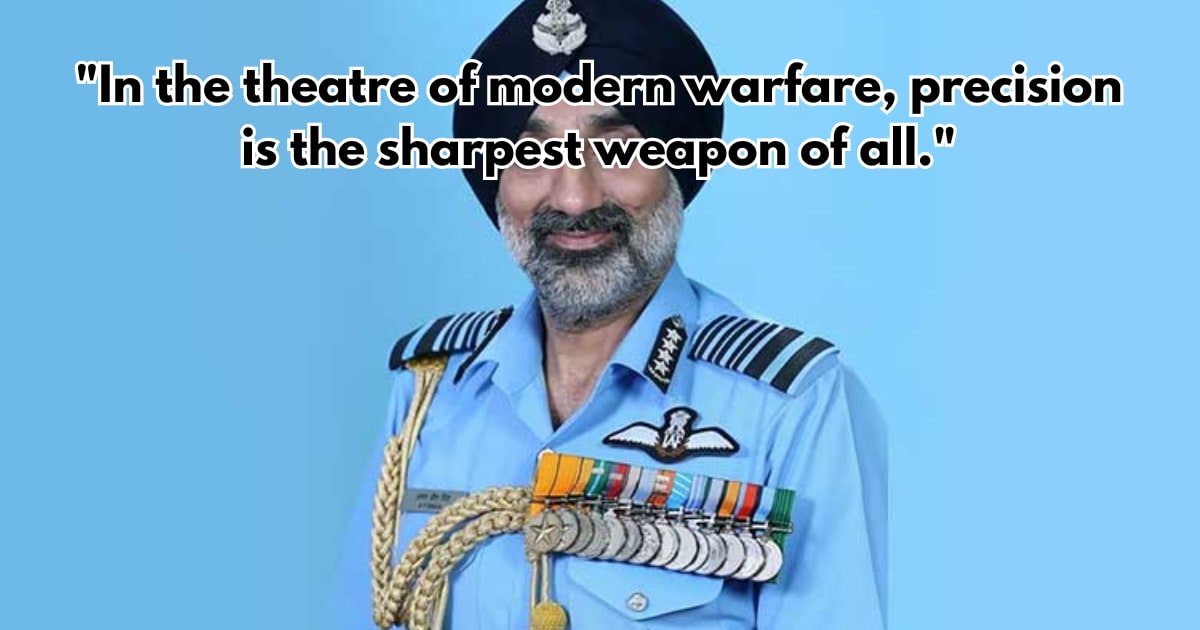

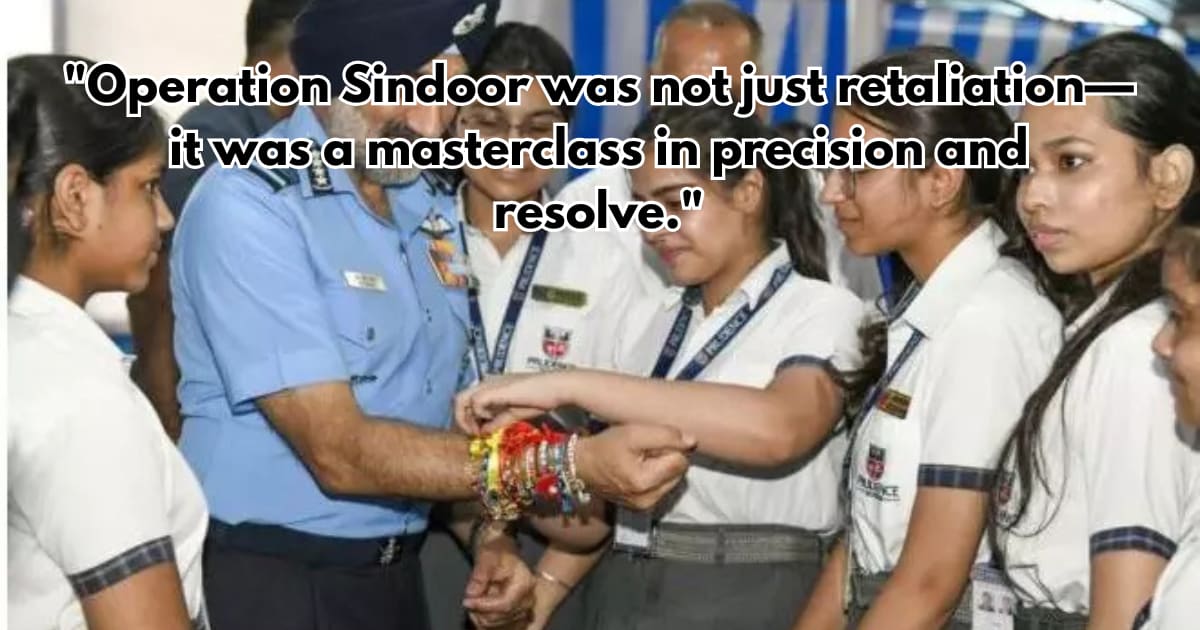
FazTimes Media: The Indian Air Force (IAF) was able to shoot down six Pakistani planes during Operation Sindoor. These included five fighter jets and an advanced airborne surveillance system. Air Chief Marshal Amar Preet Singh discussed the action during the Air Chief Marshal L.M. Katre Memorial Lecture in Bengaluru, using satellite images and intelligence analysis to support his points. The talk gave me a profound understanding of how India's military responded quickly and with excellent planning to the April attack in Pahalgam that killed 26 people.
As you can see, the damage was still pretty small. "Nearby buildings were mostly undamaged," the air chief said, showing high-resolution pictures that showed how accurate India's airstrike was.
The Spark: The Pahalgam Assault
In the eyes of Al Jazeera, the Pahalgam event was a major turning point in India's security system. Operation Sindoor began on May 7, just a few days after the event. It was a measured and precise reaction meant to break up cross-border terrorist networks without letting the situation get worse and turn into a long-lasting conflict.
Indian Air Force squadrons worked together with Army and Navy forces over four days to launch long-range missile attacks, use electronic warfare, and keep an eye on things from the air in real time. Air Chief Marshal Singh said that this was "the largest recorded surface-to-air kill that we can officially announce." The attacker was about 300 kilometres away. The attack also destroyed five Pakistani fighter jets, significantly hindering the Pakistan Air Force's ability to carry out its duties in the area.
Nine terrorist training camps in Pakistan were attacked and destroyed by the Indian Air Force (IAF). Some of these camps were in Pakistan-occupied Kashmir (PoK). BBC News reports that the strikes killed more than 100 terrorists.
"Because our air defence shields are so strong, they couldn't use any of those weapons," Air Chief Singh said. The event shows how the system has changed the odds of air battles so that India is now ahead. The system's advanced radar not only enabled long-range intercepts but also ensured a safe air passage for Indian strike aircraft, ensuring the smooth execution of missions.
It was possible for each action to go well thanks to careful planning, satellite surveillance, intercepted communications, and information gathered on the ground. Sources within the Indian military community revealed that Indian agencies closely monitored the movements of Pakistani troops and planes for several weeks before the strikes.
Pakistan's Plan and Response
Many experts in the region say that Operation Sindoor has severely harmed militant supply lines and forced Pakistan to change its operational strategies, even though Pakistan has not publicly admitted how many lives it has lost. The loss of the AWACS platform, a crucial tool for ground coordination, has complicated Pakistan's ability to monitor future air operations against India.
Furthermore, the quick destruction of several terrorist camps makes it clear that India is ready to move quickly, accurately, and with the latest technology. India's plan for deterrence is changing as it grows, as shown by Operation Sindoor. Experts say that this action is a change in how India tries to keep other countries from attacking. This operation set a new standard for counter-terrorism operations in South Asia by using long-range strikes, deep-penetration tactics, and very little collateral damage compared to earlier symbolic actions meant to get back at terrorists.
“This was not an act of revenge,” Air Chief Singh stressed. It was a show of professionalism and clear intent.
Every move was planned, and each strike served a specific purpose. Operation Sindoor is also likely to have effects on other parts of the area. China has been closely watching India's integrated air defence efforts, so the success of the operation is likely to have an effect on security not only between India and Pakistan but also in the rest of the region.
Our primary goals at FazTimes Media are to be accurate and confident and adhere to the highest journalistic standards. We check every news story we share with a number of trustworthy and separate sources to make sure it's true.
We have read this report along with articles from major news outlets throughout the world, including BBC News, Reuters, Bloomberg, Al Jazeera, NDTV, The Economic Times, and The Indian Express.
We want to keep the highest standards in global journalism so that our readers can trust the information they acquire.


Discussion0
Join the conversation on this story
Loading comments...