
General
India Orders Adani-Related Content Removed from YouTube & Instagram
By Saquib Ansari
Published: Sep 17, 2025, 09:41 AM
Last updated: Sep 17, 2025, 12:46 PM

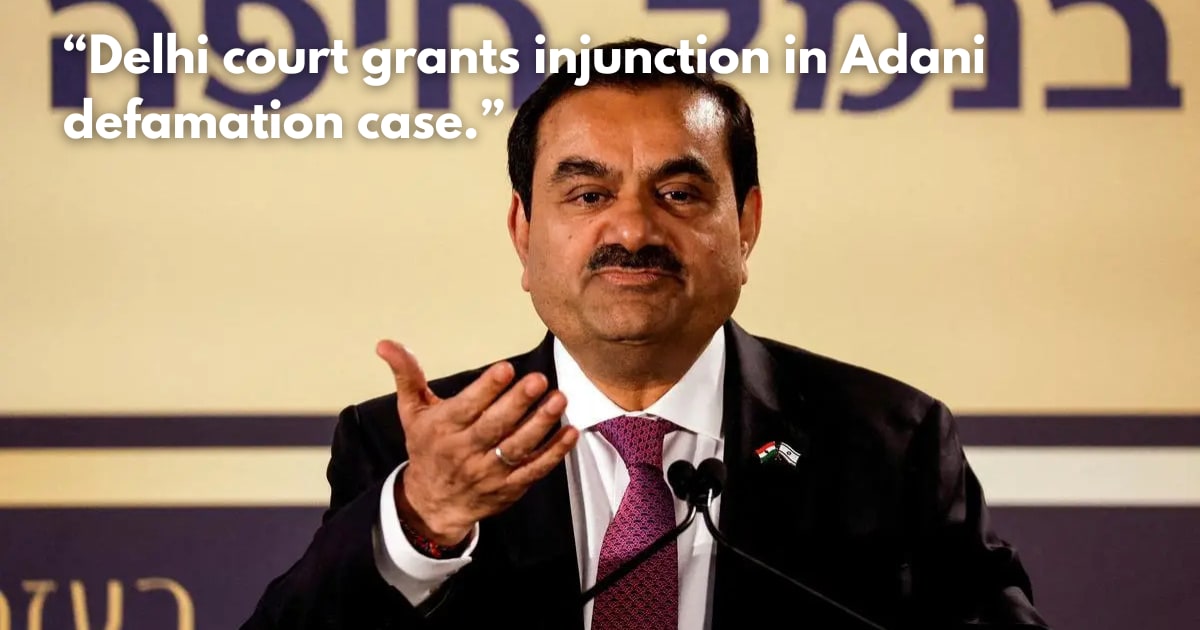

FazTimes Media in New Delhi: A decision made by the Ministry of Information and Broadcasting not long ago has caused people to talk about press freedom and the role of big businesses. The ministry has told 12 news sites and individual reporters to remove 83 Instagram posts and 138 YouTube videos that are linked to stories about Gautam Adani, a big businessman, and his company Adani Enterprises. According to The News Minute, this order was based on a decision made by a court in Delhi.
The order was also sent to big tech companies like Meta, which owns Instagram, and Google, which runs YouTube. This is proof that the government wants this order to be followed on all digital devices.
The Order from the Court at the Heart of the Matter → Court Order in Focus
One of the first decisions in this case was made on September 6 by Special Civil Judge Anuj Kumar Singh in the Rohini Courts in Delhi. Adani Enterprises sued for libel, which led to the decision. There were claims by the company that some journalists, activists, and watchdog groups had shared content that hurt its image and cost investors and other stakeholders money.
Indeed, the judge rendered the ruling "ex parte", meaning he did not receive any input from the opposing party. He said that within five days, certain articles and social media posts with what he called "defamatory content" should either be changed to take out the hurtful parts or be taken down fully.
But the judge made a very important point: the injunction does not stop reporting that is fair, checked, and based on proof. That means it's still okay to write negative things about Adani Enterprises as long as the writing is based on facts.
The Ministry of Information and Broadcasting has changed how it works by focusing on giving teenage girls more self-esteem and life skills to help them handle social and family stresses. A lot of news outlets and reporters who aren't directly involved in the legal process have been interested in this expanded effort.
According to The Telegraph, this broader reading of the court's order has made people wonder if the government is going too far.
Digital rights activists are worried that this decision could set a bad example that could be used to silence people who weren't involved in the original legal processes. This could happen in defamation cases. Some people are worried that this could make it harder for people to say what they want, especially when it comes to important cases involving big businesses.
The exact content that was targeted has not been made public, but reports say that most of the content that was flagged was related to investigations, opinion pieces, or comments about the Adani Group's business activities and global problems. Some content referred to the January 2023 Hindenburg Research report, which said that the Adani group had manipulated stocks and done bad accounting, which the company strongly denied. The report caused a big drop in the stock market, which took billions off the value of the Adani Group's shares. Prices have partly recovered since then.
Al Jazeera says that websites like Adani Watch that keep an eye on the conglomerate's activities in India and around the world have also been criticised for what they write. As you can see, this is not the first time that Gautam Adani and his companies have sued the media. Recently, several reporters and independent media sources have been sued for libel, given cease-and-desist notices, or asked to take down content that criticises the conglomerate's business practices, political ties, or effect on the environment.
One of the people named in the present injunction is veteran journalist Paranjoy Guha Thakurta. The Adani Group has sued him before. His research often focuses on how businesses are run and how politicians get favours.
Supporters of press freedom say that these repeated lawsuits are "SLAPPs", or "strategic lawsuits against public participation". They say that the goal is not to win in court but to drain resources, scare reporters, and stop them from writing critical stories.
People who agree with the move: Supporters Speak Out
Supporters of the court order, on the other hand, say that it is important to protect the reputations of businesses and their owners. Adani Enterprises said that the company "supports fair and factual reporting" but that it can protect itself against what it sees as "malicious campaigns" that hurt the company's finances.
Officials from the government agree with this point of view and say that digital platforms shouldn't be used to spread "misinformation or unverified allegations" that can hurt businesses that hire thousands of people and make a big contribution to the economy.
The Problem for Tech Companies → Tech Firms in Trouble
Following through on these takedown requests has become harder for Google and Meta. Both companies have to follow India's strict IT rules, which say they have to respond quickly to government warnings. Not following the rules could lead to fines or even legal trouble for user-generated material.
At the same time, these global companies are being watched closely because they give in too easily to political or business pressure, which makes people wonder how committed they are to free speech. Both businesses have said in the past that they want to find a balance between following local laws and their values of open communication.
What's Going to Happen? → What's Next?
A direct order from the minister means that many YouTube videos and Instagram posts will likely disappear within days. Lawyers, on the other hand, say the case is not even close to being over. The journalists and groups named in the injunction can take the order to higher courts and say it goes against the Constitution's rights to free speech. It could be a big deal for how defamation rules are used in the digital age if the situation gets worse.
At the same time, opposition parties have jumped on the controversy and said that the government is protecting corporate friends.
Our primary goals at FazTimes Media are to be accurate and confident and adhere to the highest journalistic standards. We check every news story we share against several trustworthy and separate sources to ensure its accuracy.
We have reviewed this report, along with articles from major news outlets worldwide, including BBC News, Reuters, Bloomberg, Al Jazeera, NDTV, The Economic Times, and The Indian Express.
We want to keep the highest standards in global journalism so that our readers can trust the information they acquire.
Link:
https://www.faztimesmedia.com/viewpost/india-orders-adani-related-content-removed-from-youtube-instagram


Discussion0
Join the conversation on this story
Loading comments...