
Indian Railways to Quadruple Ticket Booking Capacity with PRS Upgrade
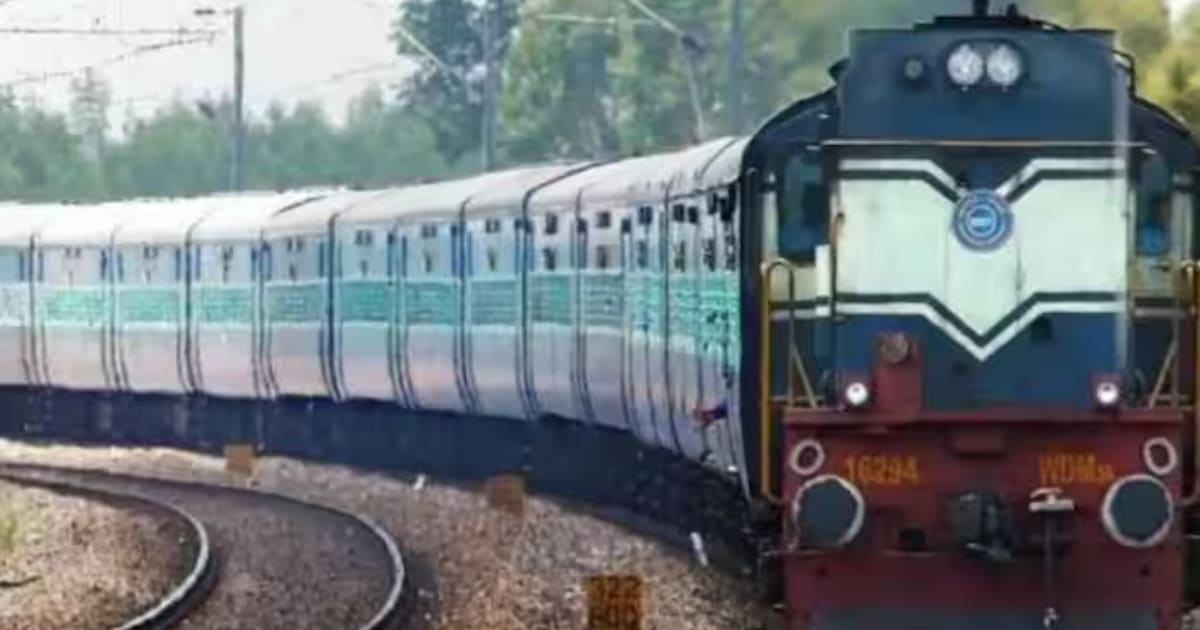
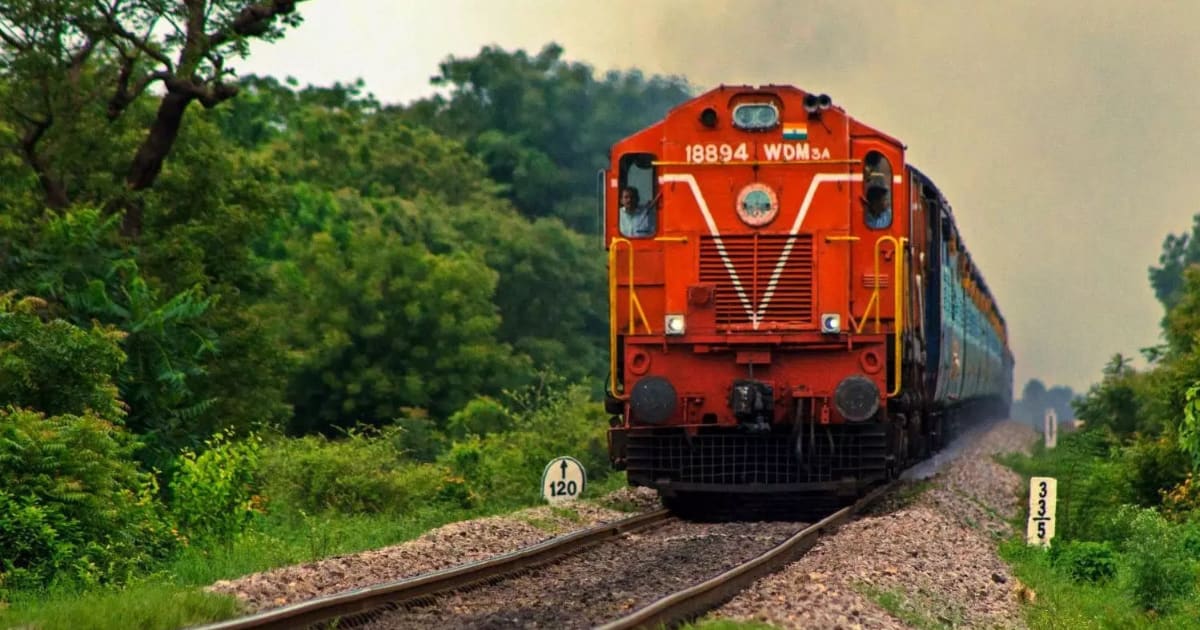
FazTimes Media: Indian Railways is upgrading its Passenger Reservation System (PRS), aiming to handle four times the current booking capacity. Railway Minister Ashwini Vaishnaw shared the news during a parliamentary meeting. The Railways will complete the upgrade in phases over the next year, positioning it as one of the largest digital upgrades in their history. The standard is clear: faster booking, fewer issues during high demand, and an experience that meets modern passenger expectations.
Launched in 2010, the existing PRS relies on Itanium servers and OpenVMS, considered robust but now outdated. "Replacing this legacy technology with more advanced platforms is long overdue. "The updated PRS will not only cater to changing passenger needs but also future-proof our booking operations," said Vaishnaw.
Currently, booking tickets for fast trains like Rajdhani or Shatabdi often means missing out quickly, as seats get booked in seconds. The availability of more seats will expedite the booking process, potentially eliminating the frustrating "transaction failed" message.
The Advance Reservation Period (ARP)—previously set at 120 days—has been cut to 60 days for certain trains, which previously had a longer booking window. This modification excludes it from the booking window. The rationale behind this decision is that booking behaviour indicates that many passengers make last-minute alterations or cancellations.
Shortening the window is meant to reduce mass block bookings and decrease cancellations due to unexpected situations, ensuring availability of seats closer to the travel date. Vaishnaw emphasised that changes in ARP will continue to be data-driven and responsive to passenger feedback.
Ticketing at Your Fingertips: The RailOne App
The modernisation efforts go beyond the PRS servers. The Railways has introduced the RailOne app, which lets passengers book both reserved and unreserved tickets straight from their smartphones.
“Imagine having the PRS right in your hands,” said Vaishnaw. The app also includes UPI payments, QR code ticket checks, and the option to save digital passes, making physical tickets less necessary. The feature is especially helpful for daily wage workers and unreserved class travellers, who often waste time waiting in line at ticket counters for short trips.
Indian Railways is not just focusing on technology but is also working to improve the travel experience for people in non-air-conditioned coaches, which make up around 70% of all trains.
A new plan is being started to build 17,000 more general and sleeper coaches over the next five years. In just the 2024–25 period, 1,250 new general coaches have already been added to long-distance routes.
Passenger groups have praised this effort. “Most of the time, improvements in air-conditioned classes get all the attention, but the truth is that most Indian travellers prefer general or sleeper coaches because they are cheaper. Making these coaches better helps everyone,” said Anil Kumar, a rail rights activist from Uttar Pradesh.
The Road (or Rail) Ahead
Experts in the industry say the PRS upgrade is happening at the right time, but they also point out that combining everything will be tricky. Moving from systems based on Itanium to newer, cloud-based setups needs careful planning to prevent problems like data loss or website outages.
A report from The Economic Times suggests the new system will use multiple servers spread out across different locations and fast databases, which should help handle many bookings quickly. Maintaining online safety is crucial, as the railways are diligently striving to prevent the theft of customer information.
For passengers like Sushma Devi, a domestic worker in Delhi who travels to Bihar every month, the changes may not happen soon. "I try booking tickets months in advance, but still don’t get confirmed seats. "If this new system works, maybe we won’t have to pay extra to agents," she said.
Meanwhile, frequent business traveller Rajat Malhotra sees opportunities beyond passenger convenience. If ticketing becomes faster and more reliable, Indian Railways could explore premium booking features or dynamic pricing, similar to airlines, which can generate more revenue without alienating budget travellers.
Global Comparisons
In countries like Japan and China, modern ticketing systems are known for being fast and dependable.
A Game-Changer for the Railways’ Image
Indian Railways has long been perceived as both affordable and erratic. If the PRS upgrade functions as advertised, it could change how the railways treat technology and passenger service.
With the RailOne app, shorter waiting times, more train compartments, and a high-capacity PRS could improve the overall railway experience and align it with the expectations of India’s younger, tech-savvy generation.
The upgrade might help build trust in the railways. Beyond just numbers, the PRS upgrade can help reset the Railways' image.
The modernisation of railway services is more than just a technical upgrade—it's a statement. It is about making ticket booking as simple as ordering food online, ensuring comfort even in the least glamorous train compartments, and reinforcing the railways' role as the country's lifeline. If implemented effectively, the upgrades could eliminate the frustrating "ticket not available" message and set Indian Railways on a new path towards greater efficiency.
Our primary goals at FazTimes Media are to be accurate and confident and adhere to the highest journalistic standards. We check every news story we share with a number of trustworthy and separate sources to make sure it's true.
We have read this report along with articles from major news outlets throughout the world, including BBC News, Reuters, Bloomberg, Al Jazeera, NDTV, The Economic Times, and The Indian Express.
We want to keep the highest standards in global journalism so that our readers can trust the information they acquire.


Discussion0
Join the conversation on this story
Loading comments...