
Iran Ditching GPS for China's BeiDou to Boost Security

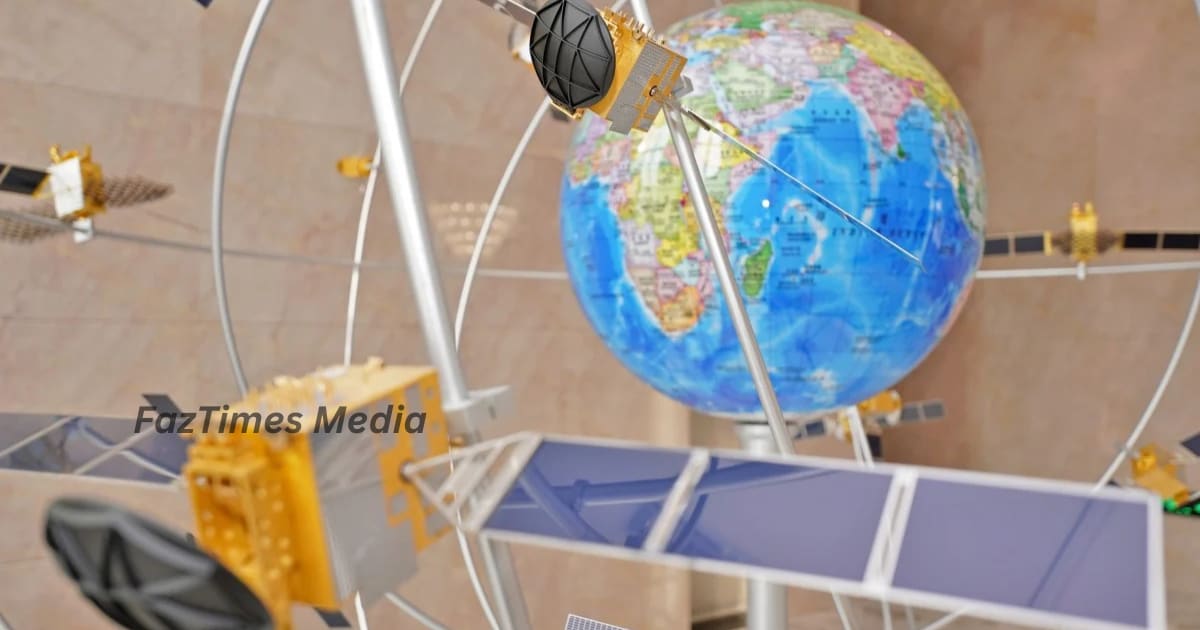
FazTimes Media: In June’s brief but intense conflict, many analysts say Iranian officials are said to be preparing to adopt China’s BeiDou navigation system to reduce reliance on Western GPS networks. The significant disturbance intensified this effort, which aims to promote technological autonomy. Iran's deputy communications minister, Ehsan Chitsaz, openly admitted that GPS signal interference affected critical operations. To prevent the possibility of future vulnerability, Iran is now looking into options like the BeiDou system.
Why the Shift to BeiDou Matters
According to Al Jazeera, GPS interference has shown how weak Iran’s dependence on Western systems really is. BeiDou, run by China and featuring more than 60 satellites with global coverage since 2020, provides a more reliable navigation option that might better fit Iran’s requirements.
Tehran’s decision goes beyond just having a backup plan. As political researcher Ali Akbar Dareini from Tehran’s Centre for Strategic Studies points out, the move shows a “real” long-term plan based on Iran’s “painful past” of being pressured. Tehran no longer wants to depend on systems that could be controlled or shut down during a crisis.
Theo Nencini, a lecturer at Sciences Po Grenoble, explains:
"Iranian leaders are realizing that they can turn off Western systems during war." Moving to BeiDou is a smart move to prevent future problems—and to show they can be independent technologically.
Although China denies any military exports to Iran, Beijing remains a strong geopolitical partner. As noted by Fan Hongda, a professor at the Shanghai International Studies University, increased adoption of BeiDou in Iran will strengthen China’s presence in the region and highlight recognition of its technological development.
Fan believes that the Middle East is moving toward a situation where “countries seeking strategic alternatives may see China as a viable player.” He argues that while there is competition, it does not have to be accompanied by hostility. Both China and the U.S. are now competing for technological superiority in the Middle East.
Countries aligned politically with China's overseas presence are increasingly acknowledging BeiDou's global credibility. The network demonstrates resilience in hostile conditions and in areas where Western access may be restricted.
A Wall Street Journal analysis estimated that more than 140 countries now use BeiDou for civilian applications.
But China has not widely provided military-grade access to allies like Iran. However, the mere possibility has raised concerns in Washington and other capitals.
In New Delhi, the shift in global tech reliance highlights rising concerns about techno-sovereignty and infrastructure capacity. Many Indian readers may remember similar concerns regarding international platforms during crises, such as communication disruptions or security issues.
As a neighboring region between Iran and China, this shift prompts India to re-examine its dependence on global tech touchpoints. This living showcases the importance of domestic expertise in strategic areas such as navigation, communication systems operating without GPS, and reliable infrastructure.
The global expansion of NASDAQ provides India with valuable insights into striking a balance between systemic risks and resilience in technological sectors. The trend showcases how different fields conduct both adjacent and holistic news coverage in reflection about Iran and the world's governance. It faces an area of strategic awareness and raising domestic responsiveness in broader global sectors.
A more nuanced approach to this issue through foreign direct investment must consider the maturity and limitations of emerging markets as an alternative to conventional reliance.
What Experts Are Saying
Ali Akbar Dareini (Tehran): Iran is shifting toward technology as a smart move to deal with security risks.
Theo Nencini (France): Iran is filling in areas that were weakened by wartime issues—showing strength by finding other options. Enrico Fardella (Italy) believes that China's support for the BeiDou system could contribute to the expansion of Iran's defense network.
Fan Hongda (China): More countries in the region are using BeiDou, showing they trust Chinese tech more.
As BBC News reported, more countries are seeking alternatives to Western systems, especially in places where there are big political or economic risks.
It also brings up some important questions:
Could India look into using BeiDou or grow its system, NavIC?
Will global navigation systems split into groups based on different political powers?
Can rules and cooperation keep up with the changing way countries work together in tech?
For readers of FazTimes and local experts in technology, the takeaway is clear: the future of how we navigate, defend ourselves, and trust digital systems might not depend just on where we live, but on who controls the systems in space.
Our main goals at FazTimes media are to be accurate, confident, and follow excellent journalistic standards. We check every news story we share with a number of trustworthy and separate sources to make sure it's true.
We have read this report along with articles from major news outlets throughout the world, including BBC News, Reuters, Bloomberg, Al Jazeera, NDTV, The Economic Times, and The Indian Express.
We want to keep the highest standards in global journalism so that our readers can trust the information they acquire.


Discussion0
Join the conversation on this story
Loading comments...