
Is Election Neutrality in India a Myth? A Look at 2024 Polls
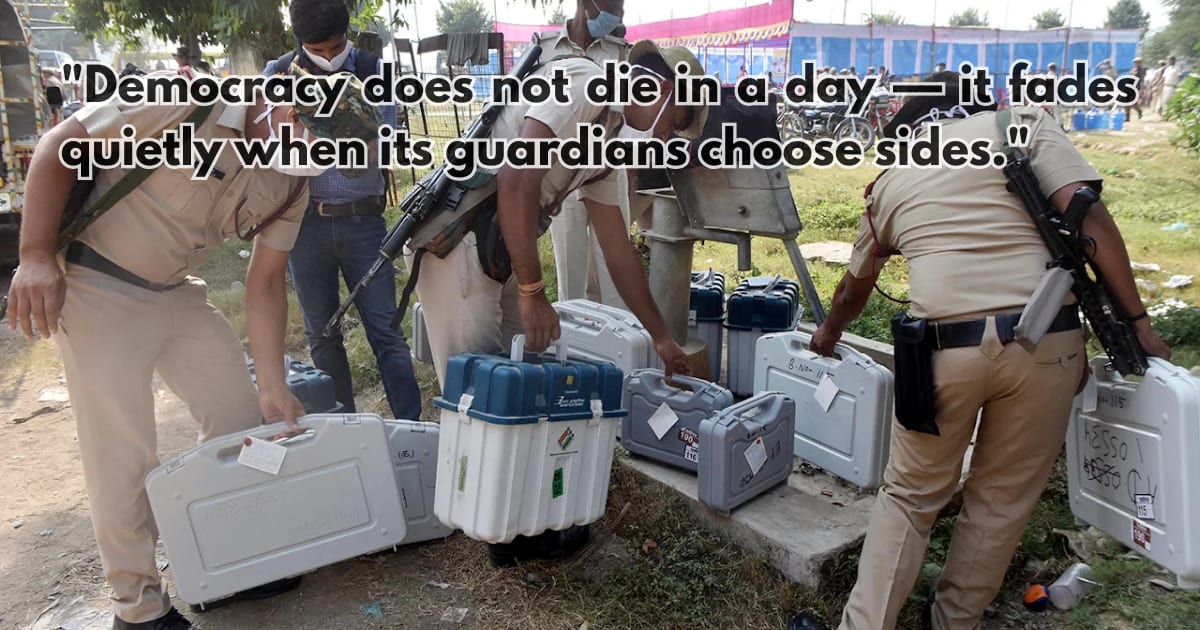
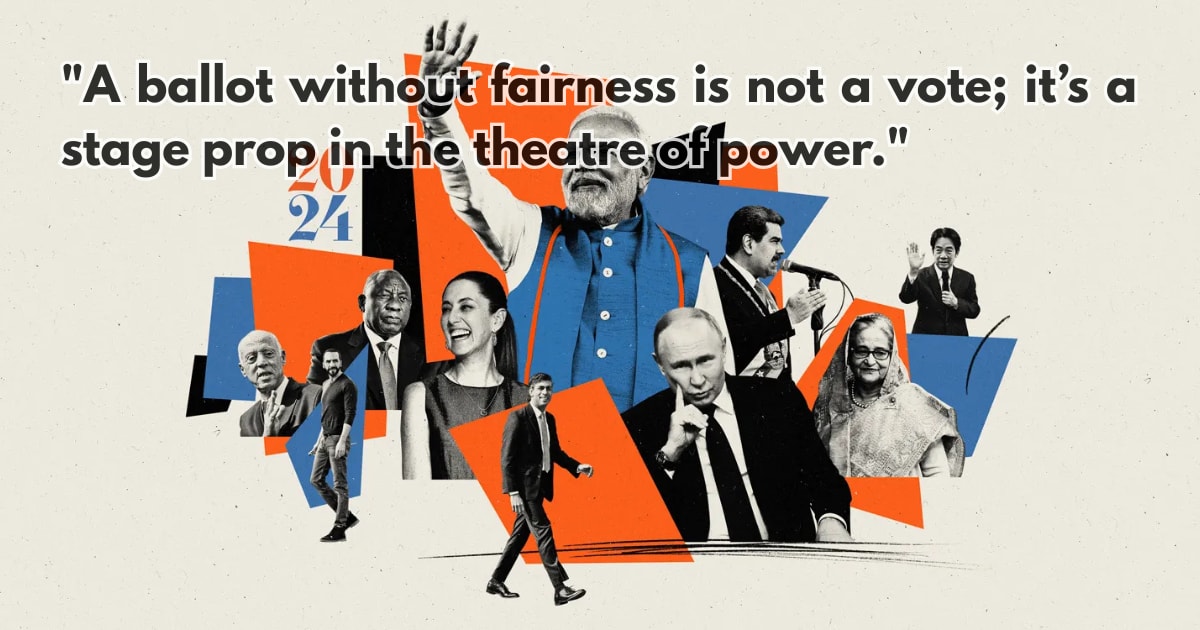


FazTimes Media, New Delhi: The recent monsoon session of Parliament turned into a major political showdown, with opposition leaders accusing the government of undermining democracy by how the Election Commission of India (ECI) is operating. MPs were seen holding signs and shouting slogans, calling for the focus to be on the principle of "One Person, One Vote" rather than the proposed "One Nation, One Election" plan. Security forces had to take action to remove some people from the venue, a rare but clear sign of rising political tensions.
For many years, the world has admired Indian elections as a powerful demonstration of democracy in a country as large and diverse as India. After independence, while many other nations that gained freedom from colonial rule moved towards authoritarian rule, India kept holding elections that were mostly fair, competitive, and accepted by everyone, whether they won or lost.
BBC News reported that the Indian election system used to be seen almost like a legend globally, not just because of the huge number of people involved, but because it worked. Millions of people stood in long lines in both remote villages and busy cities. Thousands of polling officers travelled to the most difficult places—sometimes on camels, boats, or across snowy mountain passes—to make sure every citizen could vote.
At the heart of this success was the moral strength of the Election Commission. For many years, the Election Commission stayed strong against political pressure, acting as a protector of democracy. The 1990s, led by Chief Election Commissioner T.N. Seshan, were a wonderful time for fair elections. Seshan not only followed the Model Code of Conduct but also made it more powerful. Even the strongest politicians knew that breaking election rules would have serious consequences, and loudspeakers would stop after the allowed time.
Some people believe that the Election Commission has lost its effectiveness compared to the past. Opposition parties are concerned about the Commission's selective rule application, lack of clarity in decision-making, and failure to address some wrongdoings.
The impressive way Indian elections run — with officials going into dangerous areas or across rivers to reach a single voter — has always made people proud. But a political writer told FazTimes that making sure the vote is fair is still a big worry.
Concerns About Who Gets Chosen
One of the biggest questions is how election commissioners are picked. Currently, the government alone chooses them, which worries some people about possible political control. Many experts, including past commissioners, think that having a group of parties pick them—or at least make the process clear—would help the commission be more independent.
EERA says that when countries don’t protect their election commissions, it often leads to the breakdown of democracy. The report compares this to Pakistan’s 1970 elections, where unfairness by the election authority played a role in starting a civil war and the creation of Bangladesh. Bangladesh itself has had large protests and boycotts over issues of fair elections.
Around the world, there are other worrying examples. The ruling party in Zimbabwe, ZANU-PF, used the election commission to help them stay in power. In Venezuela, the National Electoral Council helped leaders stay in power by pretending to follow fair democratic rules. These cases show a big problem: it's very difficult to fix an election body when people don't trust it anymore, and in some cases, it might never be fixed again.
People in India trust their democracy not only because they vote but also because they believe that their votes are counted correctly. If people start to doubt that, the effects go far beyond a single election. A retired civil servant told FazTimes that democracy is slowly fading. The loss of faith in the system is not due to a single major event, but rather a culmination of various factors.
The recent debates in Parliament show that restoring public trust in the Election Commission of India is no longer just a matter of rules and procedures; it's a national and political priority.
What to Expect
To progress, we require more than minor adjustments to the current system. We need real changes to the law to correct how commissioners are selected, ensure there are strong protections against influence from politicians, and show that fairness and objectivity are still important.
If India fails to address these issues, it may find itself in a future where elections merely function as formalities, offering no genuine choice or trust. The "world’s largest democracy" might become just a phrase with no real meaning, its big achievements fading into the past. It dies when people go to vote, knowing their vote won’t make a difference, and still go because they have no other choice.
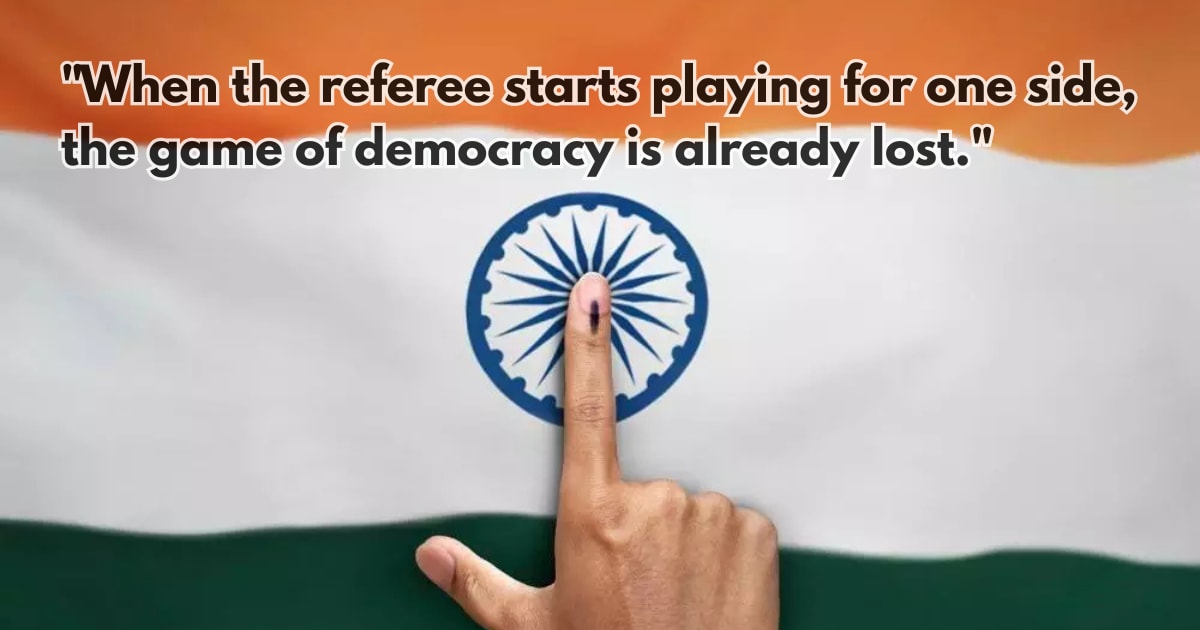
The public has put a lot of trust in the ECI over many years, and it needs to keep that trust. I can’t afford to let it disappear. Now the big question is whether it has the determination and bravery to show that the idea of being a “neutral referee” still has meaning in Indian politics.
Our primary goals at FazTimes Media are to be accurate and confident and adhere to the highest journalistic standards. We check every news story we share against several trustworthy and separate sources to ensure its accuracy.
We have reviewed this report, along with articles from major news outlets worldwide, including BBC News, Reuters, Bloomberg, Al Jazeera, NDTV, The Economic Times, and The Indian Express.
We want to keep the highest standards in global journalism so that our readers can trust the information they acquire.





Discussion0
Join the conversation on this story
Loading comments...