
Jinnah, Congress, Mountbatten Blamed for Partition in NCERT Text
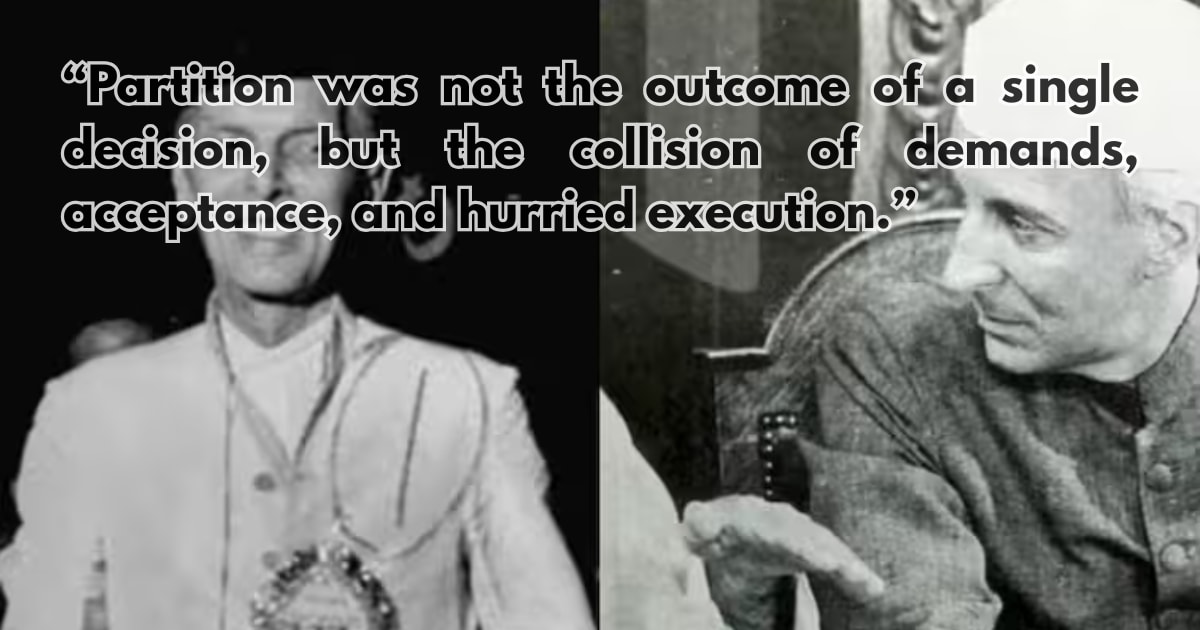
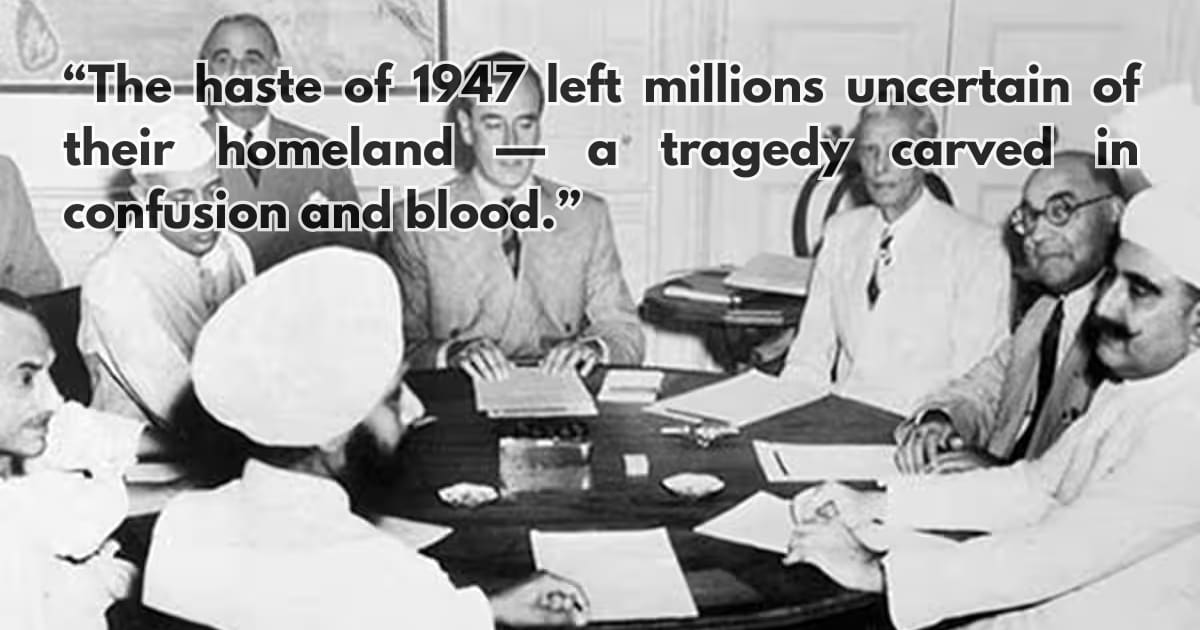


FazTimes Media: A new controversy has emerged in both academic and political circles after the National Council of Educational Research and Training (NCERT) introduced a new supplementary module to commemorate Partition Horrors Remembrance Day. This module, aimed at middle and senior school students, has brought back old discussions by clearly identifying Muhammad Ali Jinnah, the Indian National Congress, and Lord Mountbatten as the three main people responsible for India’s partition in 1947.
Partition remains one of the most painful events in the history of the subcontinent, and the way it is remembered, understood, and taught often shows the views of the present time. The NCERT's latest educational material, which is not part of the official curriculum but is meant for projects, posters, discussions, and debates, aims to get young students to think about the human impact of Partition. However, its direct assignment of blame has sparked a new public discourse.
The module starts with a quote from Prime Minister Narendra Modi’s 2021 speech about remembering the horrors of Partition. Future generations should not forget the pain and suffering of 1947. The Press Trust of India reports that the text assigns blame to three individuals or groups for the Partition.
Muhammad Ali Jinnah, for pushing for the creation of Pakistan.
The Congress Party, for agreeing to divide the country.
Lord Mountbatten, the last Viceroy of India, moved the date of independence from June 1948 to August 1947. This caused a lot of confusion and chaos.
Mountbatten’s Role Under Scrutiny
One of the most noticeable parts of the module is its criticism of Lord Mountbatten. It says that by moving up the transfer of power by almost a year, Mountbatten made it impossible to prepare properly. The text claims that the delay caused a lot of violence and confusion during one of the biggest migrations in history.
BBC News reports that historians have long discussed whether Mountbatten’s quick schedule was a mistake, a sign of Britain wanting to leave fast, or a political move. The NCERT module includes Mountbatten among those responsible for the tragedy.
Differing Historical Perspectives
The module doesn’t just blame individuals. It also explains the events by mentioning the Muslim League’s Lahore Resolution of 1940, where Jinnah said Hindus and Muslims were “two nations” with different cultures, traditions, and literatures.
The Kashmir Angle
The NCERT module also talks about one of the long-term results of the Partition: the start of the Kashmir conflict. It also mentions how some countries have kept giving aid to Pakistan and putting pressure on India, all in the name of Kashmir. This keeps the pain of the Partition alive even many years later.
Educational Purpose or Political Lens?
Historians caution that concentrating solely on three individuals may overlook the broader context, such as British colonial strategies of divide-and-rule, religious tensions, and economic issues, which ultimately contributed to the tragedy.
Still, supporters of the module believe it helps students understand a clear story and contemplate the enormous human cost of the Partition. They say that by naming “culprits”, the module makes history more real and encourages deeper thinking.
Partition Horrors: More Than Numbers
It is believed that almost 15 million people were forced to leave their homes during Partition, and between one and two million people died because of riots, hunger, and sickness. Generations have endured the pain of uprooting, with families torn apart and women subjected to terrible violence.
The NCERT includes voices from survivors, old pictures, and hands-on learning activities to help students understand the real human cost of Partition, not just the numbers. This approach is meant to help students feel the pain and struggles of those who lived through it, which aligns with Prime Minister Modi’s aim to remember Partition as a part of our shared history, not just cold facts.
Why This Matters Now
Even after 77 years, Partition continues to be a hot topic in politics, education, and feelings across South Asia. For India, Pakistan, and Bangladesh, it has shaped how people see themselves, their borders, and the conflicts that still affect the region today.
The Hindu reports that discussions about Partition in schools aren’t just about the past—they also influence how people think about unity, community, and how to deal with international issues now. By teaching Partition in a way that emphasises responsibility, the NCERT might be trying to build a stronger sense of awareness against divisions and harmful politics in the present day.
Voices From Civil Society
People have different opinions about the module. Teachers and education experts like it because they believe students should learn about the "horrors" of Partition to understand the pain and build empathy. But some worry that focusing on specific people might make things more divided.
A retired history teacher from Delhi University said, “History should be taught in a balanced way. While Jinnah, Congress, and Mountbatten were important figures, we also need to talk about economic, social, and global influences. If we don’t, we might give students a false or oversimplified idea of a complicated situation.”
Conclusion
The NCERT’s Partition module has done one important thing—it has brought back discussions about one of the most important events of the 20th century. By clearly naming Jinnah, Congress, and Mountbatten as responsible for Partition, it makes people contemplate who is to blame, who made decisions, and how leaders act in times of crisis.
As India deals with issues like national unity, community harmony, and international relations, remembering Partition isn’t just about learning history. It’s about understanding the dangers of division, misunderstandings, and quick decisions.
History may never agree on exactly who was responsible for Partition. However, there is no denying the immense suffering it inflicted. That pain still affects people today. Maybe learning about those terrible experiences can help stop them from happening again.
Our primary goals at FazTimes Media are to be accurate and confident and adhere to the highest journalistic standards. We check every news story we share against several trustworthy and separate sources to ensure its accuracy.
We have reviewed this report, along with articles from major news outlets worldwide, including BBC News, Reuters, Bloomberg, Al Jazeera, NDTV, The Economic Times, and The Indian Express.
We want to keep the highest standards in global journalism so that our readers can trust the information they acquire.


Discussion0
Join the conversation on this story
Loading comments...