
Kerala Silences Critic of Muslim Repression: Baburaj Bhagavathy's Facebook Blocked
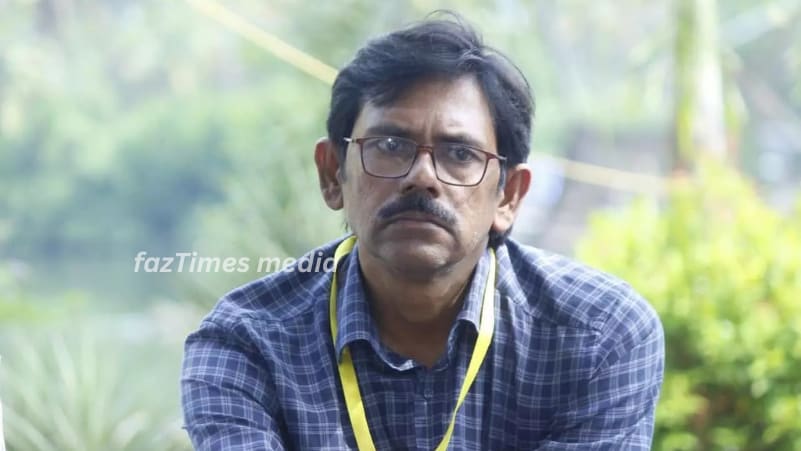
FazTimes Media | Thiruvananthapuram | August 5, 2025: A recent event has caused worry among activists and people who fight for civil rights. India has blocked the Facebook account of Baburaj Bhagavathy, a writer and rights activist from Kerala. This happened because Meta Platforms followed a legal request from the Kerala police. The action has started a big discussion about free speech, the right to use the internet, and censorship in politics. Kerala has always said it supports secularism and progressive government.
A Silenced Voice in the Digital Age
Baburaj Bhagavathy is more than just a commentator. He has always been a strong critic of Islamophobia, caste discrimination, and the way powerful systems in Kerala have treated marginalized groups, especially Muslims. He is a well-known public thinker and co-founder of the Islamophobia Research Collective, and he has written a lot about how religion, politics, and social justice connect in Kerala.
His Facebook page used to be a place where he shared a lot of writing, news analysis, and calls for people to be held responsible—highlighting issues that are often ignored or wrongly presented in the mainstream media.
According to Al Jazeera, the restriction happened because Meta followed India’s IT laws, which let authorities ask for content to be removed or blocked for legal or security reasons.
But since there were no official charges against Bhagavathy, many people are wondering what motivated this action.
The Irony of a "Secular" Clampdown
People often view Kerala as a model for education, political awareness, and secularism in India. Left-leaning groups, including the Communist Party of India (Marxist), have primarily led the state, renowned for its tolerant, progressive, and open-minded nature. However, the decision to silence an individual like Baburaj Bhagavathy has led many people to question Kerala's reputation.
Thoufeekh Mampad, president of the Solidarity Youth Movement Kerala, said in a press release, "The Left in Kerala has always talked about protecting civil rights. But when they face criticism, especially from intellectuals and activists, they act in a way that's very similar to the strict rule they claim to stand against. "
He continued, "Baburaj Bhagavathy has never encouraged violence or hatred. He has only highlighted the truths that many people don’t want to face—like the growing fear and suspicion toward Muslims in Kerala’s politics and society."
Bhagavathy's work in public discussions is not just random online comments. He helped edit the Kerala Islamophobia Report 2024, a major study done with academic Dr. K. Ashraf. This report carefully showed how there are unfair attitudes and cultural biases against Muslims in Kerala's media, schools, police, and government.
This report became a big topic in civil society groups. The report stated that Kerala's reputation for having strong community relations conceals a more insidious and damaging form of "liberal Islamophobia." The BBC News reported that the report was considered important, especially because it came from Kerala's thinkers, not from outside groups. The report detailed instances of everyday unfair treatment and larger policies that exclude Muslims. The report demonstrated that right-wing groups, as well as supposed progressive groups, discriminate against Muslims in Kerala.
Targeting Dissent: A Growing Pattern?
The blocking of Bhagavathy’s Facebook page isn’t just a one-time thing. Digital rights groups have noticed that governments are increasingly stepping in to control what people say online, especially when the content questions the government or goes against widely accepted views.
A representative from the Internet Freedom Foundation, a digital rights group based in Delhi, said, “It’s concerning that even governments led by parties that claim to be secular are using unclear laws more and more to stop people from speaking out.”
“They aren’t just limiting free speech,” the representative added. “They’re also taking away the public’s chance to think deeply about important issues in society.” Today's world has transformed social media into a public square. For people like Bhagavathy, it's a key tool for spreading awareness, sharing information, and gathering support. Limiting this space, especially without clear reasons, can discourage people from participating in public matters.
A student from Kozhikode, who often followed Bhagavathy's posts, said, "It's strange how the same government that talks about digital Kerala is also helping to silence voices online. We need more people asking serious questions—not fewer."
The bigger issue here is not just about one person being silenced but about a bigger fight between the stories people tell and the truth. In today’s world, where information is spread through algorithms, false news, and groups that only hear what agrees with them, it’s more important than ever to have voices that challenge the usual way things are presented.
Bhagavathy's work consistently demonstrates the construction of political narratives that normalize discrimination and prevent accountability. Whether he’s pointing out how the media chooses which stories to cover in situations involving different communities or breaking down government plans that hurt minority groups, his work is always based on real research and strong ethics.
Dr. K. Ashraf, his co-author, said, “This isn’t about one person being limited. It’s about the space for open and honest discussions in Kerala’s public life getting smaller and smaller. ”
What Lies Ahead?
So far, Bhagavathy hasn't spoken publicly about the restriction, and attempts to reach him directly have not been successful. However, his supporters and civil society organizations have initiated online campaigns, demanding greater transparency and the restoration of his account.
Some legal experts think there might be reasons to challenge the restriction, especially if it was done without proper procedures or clear legal reasons. “If the government can stop one writer from speaking without being held responsible, it creates a dangerous example for everyone,” said Rehana P., a human rights lawyer from Kochi.
Conclusion: A Moment of Reckoning
The case of Baburaj Bhagavathy makes Kerala face a tough question: Can a state really be forward-thinking if it can't handle different opinions?
Despite the seemingly insignificant nature of the Facebook account restriction, it holds significant importance. It shows that in Kerala, those who speak out—especially for the rights of the marginalized—are being pushed aside.
As things calm down, there's hope that this moment will push everyone, especially those in power, to think more deeply. It's not just for leaders but also for regular people who believe in democracy, freedom to speak, and fairness.
For now, one of Kerala's most thoughtful voices is quiet online—but the ideas he shared might still be making an impact.
At FazTimes, we prioritize accuracy, confidence, and strong journalistic standards. To ensure every news story we share is real, we verify it with multiple trustworthy and independent sources.
We’ve compared this report with coverage from major news outlets worldwide, including BBC News, Reuters, Bloomberg, South China Morning Post, Al Jazeera, NDTV, The Economic Times, and The Indian Express.
Our dedication lies in upholding the highest standards in global journalism, ensuring our readers can trust the information they receive.


Discussion0
Join the conversation on this story
Loading comments...