
Khalid Saifi Gets 10-Day Interim Bail After 5 Years in Custody


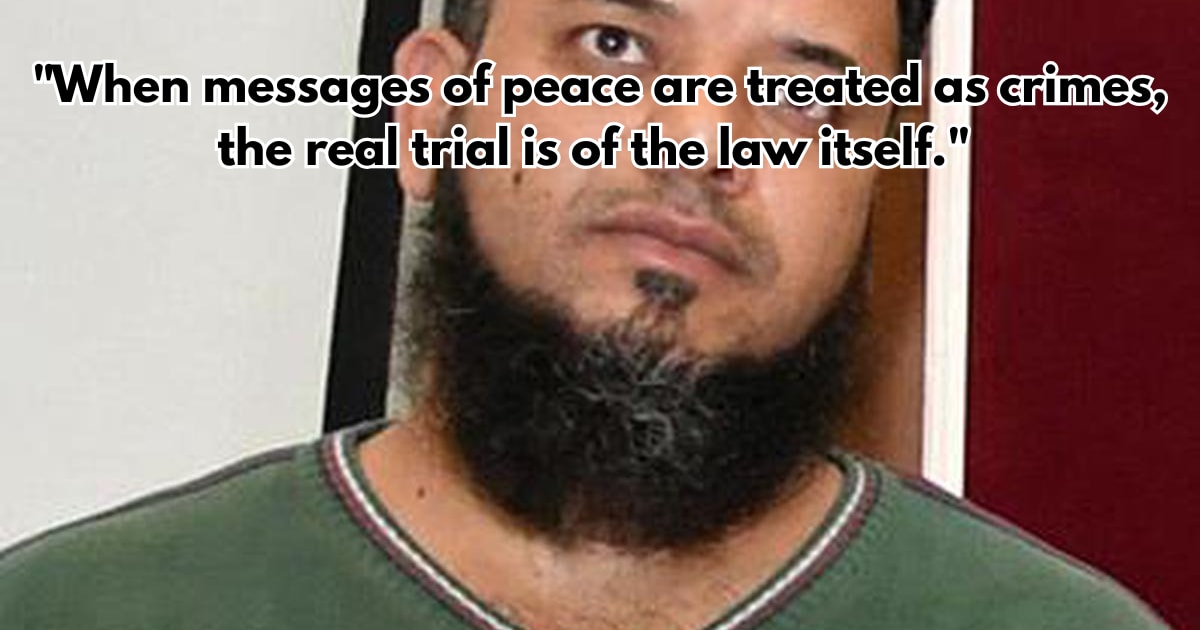
FazTimes Media, New Delhi: Khalid Saifi, an activist, has been given temporary bail for 10 days after serving five years in jail under India's strict anti-terror law, the Unlawful Activities (Prevention) Act (UAPA). This is his first experience of freedom since the allegations. The court, based in Karkardooma, approved the bail request on humanitarian grounds, citing the serious illness of his younger son.
A long wait for temporary freedom
Saifi, the founder of the human rights organisation United Against Hate, was arrested as part of a broad charge that accuses him and others of organising the Delhi riots in February 2020. Allegedly, they were part of a "larger conspiracy" that led to violent clashes and loss of lives. Notably, the same case also accuses Umar Khalid, Sharjeel Imam, and others.
Despite the severity of the charge sheet—spanning 17,000 pages and pointing towards cross-network conspiracies and speeches—Saifi has mainly remained in pre-trial custody. He recently highlighted that "innocuous messages" were being read as anti-national under the harsh UAPA.
Inside the Bail Plea
Saifi asked for 15 days of temporary bail, and he shared a personal reason with the court: his younger son is very sick. His lawyers said this was the first real reason the court should consider letting him out after being held for five years. The court agreed to give him 10 days of bail, showing some understanding of his situation, but they didn’t offer any more freedom or legal relief.
What’s at Play: The Power of UAPA and Its Critics
The UAPA is a law that’s really hard to fight. According to BBC News and other groups that protect people’s rights, this law makes it very difficult for those accused to prove their innocence. People who criticise the law say Saifi’s case shows how it’s being used unfairly to silence people who don’t agree.
Lawyers and activists say holding someone without a trial or charges is a big threat to freedom. The New Indian Express also reports that this is Saifi’s first bail in five years—enough time to harm someone’s life and future.
Saifi’s legal strategy includes a challenge to the charges of attempted murder, especially in connection with the riots. The Delhi High Court has rejected his plea for a trial. In February 2024, the court again dismissed his request to file an election petition challenging the charges of attempted murder.
At the same time, the Delhi courts continue to handle the broader conspiracy case, which has been split up after the transfer of judicial posts.
Recently, court proceedings resumed under a new judge.
Saifi’s defence focuses on two main points:
First, lack of concrete evidence – his lawyers argue that merely talking or exchanging messages, especially those not directly inciting violence, should not fall within the scope of the UAPA (Unlawful Activities Prevention Act) as relating to terrorism or conspiracy.
What Lies Ahead
Saifi’s short release will check if family connections are still strong and if public feelings go beyond just online arguments. Even though bail doesn’t mean he’s innocent, it gives a rare chance to step back into the world, at least for a while, before legal challenges come back.
The bigger trial about the Delhi riots is slowly moving forward, but the huge amount of work involved—17,000 pages—keeps slowing things down in the courts.
Conclusion: Freedom, Fairness, and the Human Need
Khalid Saifi’s temporary release shows how fragile justice can be when there are broad laws like the UAPA. For people in Delhi, it might be a chance to think:
Can a law meant for terrorists also be used against activists?
Does the law help people or silence them?
Library visitors, residents, and young professionals at home are seeing a case that is both about the law and morality. In court, patience is running out; at home, hope might come back. This brief moment of freedom could lead to more change or just be a one-time thing, depending on how prepared people and the courts are to deal with bigger issues of rights, free speech, and justice.
Our primary goals at FazTimes Media are to be accurate, confident, and adhere to the highest journalistic standards. We check every news story we share with a number of trustworthy and separate sources to make sure it's true.
We have read this report along with articles from major news outlets throughout the world, including BBC News, Reuters, Bloomberg, Al Jazeera, NDTV, The Economic Times, and The Indian Express.
We want to keep the highest standards in global journalism so that our readers can trust the information they acquire.


Discussion0
Join the conversation on this story
Loading comments...