
General
Khalistani Group Threatens Indian Consulate in Vancouver
By Saquib Ansari
Published: Sep 17, 2025, 05:33 AM
Last updated: Sep 17, 2025, 06:11 AM


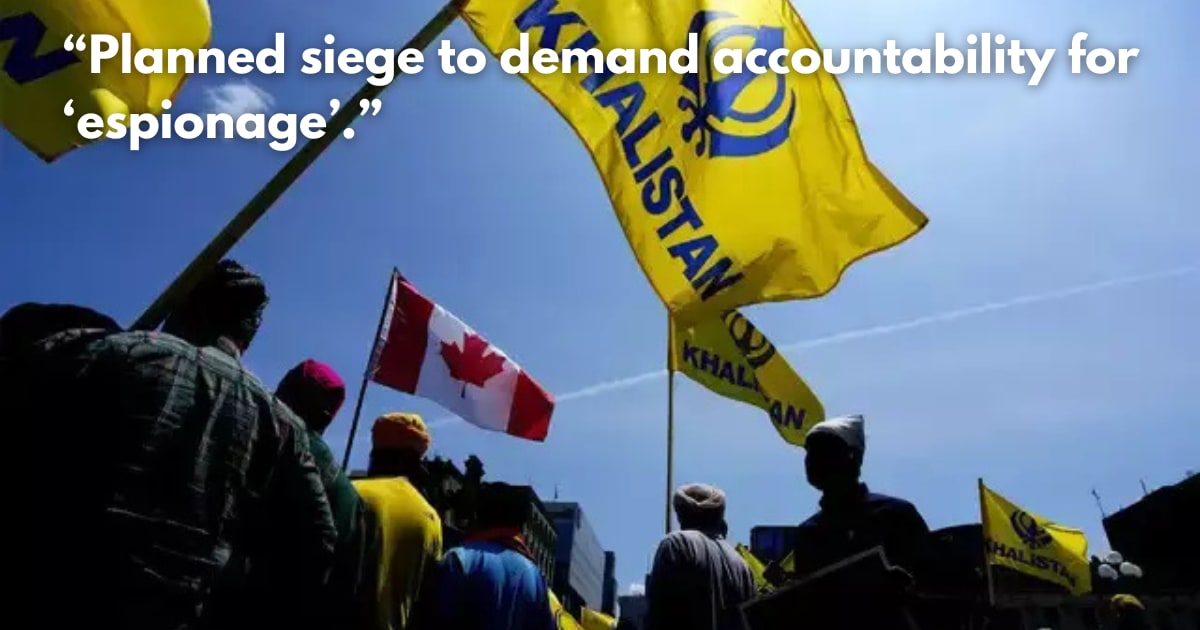
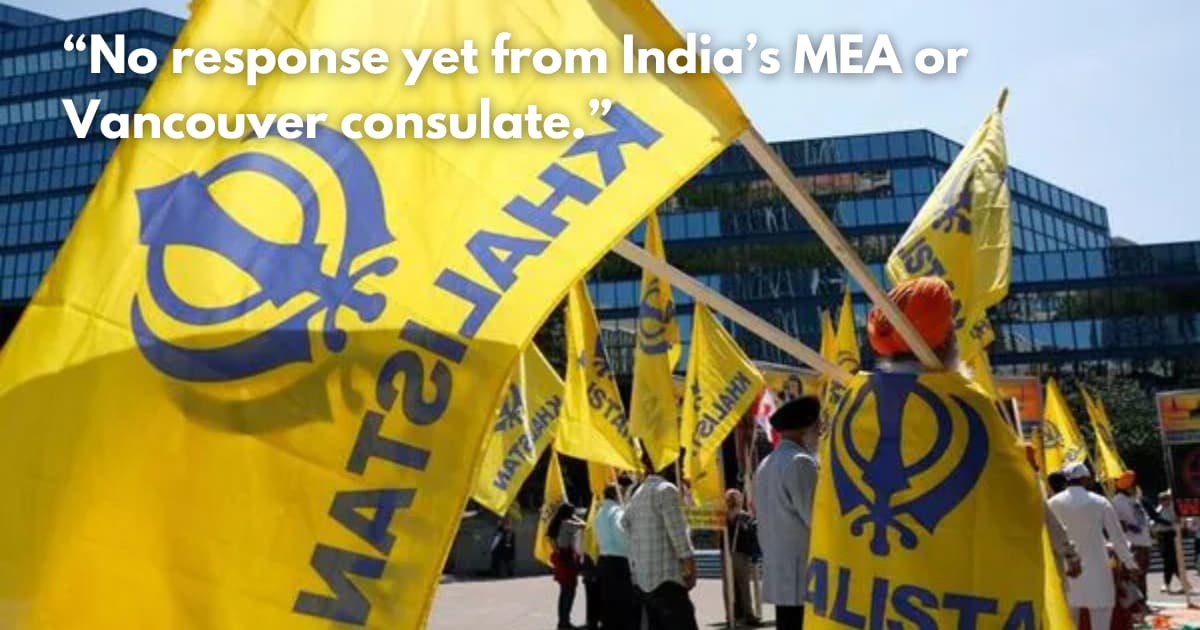
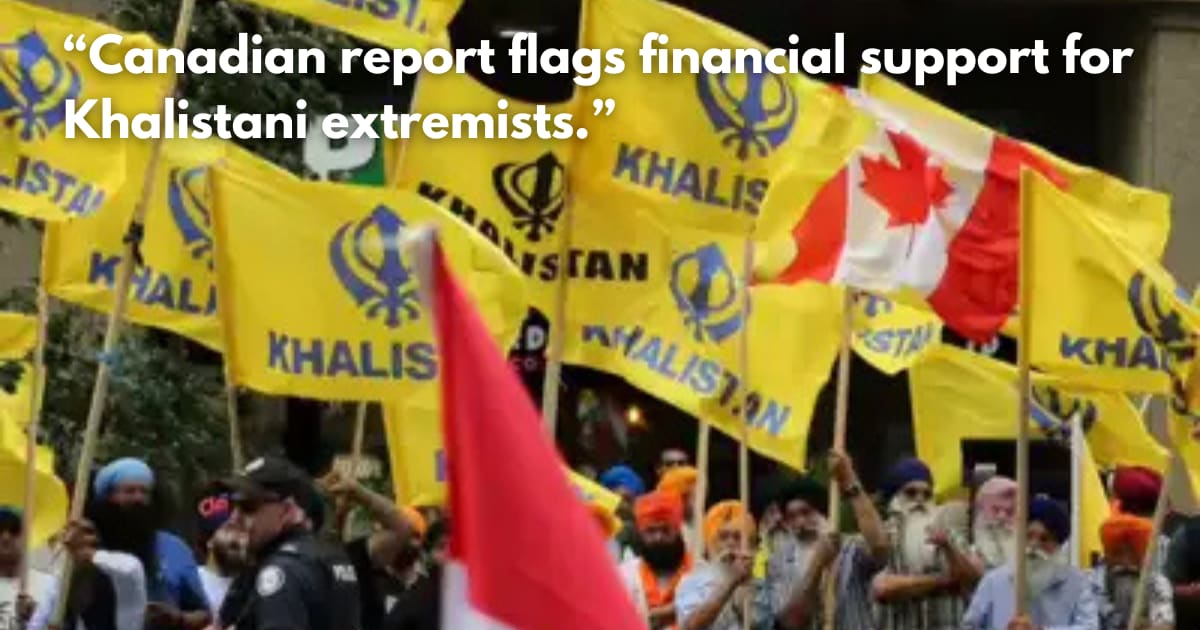
FazTimes Media: To strengthen the self-esteem and independence of teenage girls, key elements for them to resist social and family pressures, especially during a period of uncertainty, have entered a new phase. The Indian Consulate in Vancouver announced this week that relations between India and Canada, which are already tense, have been further strained by a pro-Khalistani group's threat of a "siege".
The Poster That Sparked Alarm → Poster That Shook Diplomacy
SFJ circulated a provocative poster online featuring the image of India’s newly appointed High Commissioner to Canada, Dinesh Patnaik, with a red target symbol superimposed on his face. The poster accused Indian consulates in Canada of spying on Khalistani activists and intimidating Sikh Canadians who support the separatist movement.
The group declared that the so-called “siege” would hold India “accountable” for what it describes as “espionage and harassment on Canadian soil.”
While Canadian authorities have not yet commented publicly on the threat, law enforcement agencies are reportedly monitoring the situation closely. According to Al Jazeera, Canadian intelligence has long been aware of extremist Khalistani elements operating within the country, often under the cover of cultural or religious organisations.
India’s Silence and Diplomatic Dilemma → Delhi’s Quiet Dilemma
So far, neither India’s Ministry of External Affairs nor the Indian Consulate in Vancouver has issued a public statement. Analysts believe New Delhi is choosing caution, hoping not to escalate the situation further while simultaneously pressing Ottawa to act.
India has consistently criticised Canada for what it calls a "soft approach" towards separatist groups advocating for Khalistan. Last year, New Delhi accused Ottawa of failing to protect Indian diplomats after protests outside missions in Toronto and Vancouver turned violent.
According to BBC News, India has directly discussed these concerns with Canadian leaders, emphasising the importance of ensuring the safety of its diplomats.
The Khalistan Issue in Canada → Khalistan Debate in Canada
The problem with Khalistan has been around for a long time. Canada has one of the biggest Sikh communities in the world, with over 770,000 people. Punjab is home to many of these individuals. Canadian authorities consider groups like Sikhs for Justice, Babbar Khalsa International, and the International Sikh Youth Federation (ISYF) as security threats. Canada's Criminal Code officially lists Babbar Khalsa and ISYF as terrorist groups.
Despite their ban, these groups continue to operate through secret networks and individual supporters.
Growing pressure is on Ottawa.
Canada blamed Indian agents for the attack, which led to a major disagreement between the two countries. India strongly denied the claim. Since then, trust between Canada and India has gotten worse. The threat of attacking the Vancouver consulate has only heightened tensions.
What Sikhs for Justice Wants → SFJ’s Demands Unpacked
Sikhs for Justice, led by lawyer Gurpatwant Singh Pannun, has gained attention for its bold and sometimes controversial actions. Indian authorities have labelled Sikhs for Justice as a terrorist group and banned it in 2019 under a law against illegal activities. India says the group spreads false information to encourage separatism and cause instability in Punjab.
For many ordinary Indo-Canadians, the situation is deeply concerning. Community leaders fear that such threats could divide Sikhs and Hindus in Canada, potentially damaging long-standing social harmony. “A lot of us came here for peace and opportunities,” said Amarjeet Singh, a Vancouver community organiser. “We want positive relations with India. But extremist groups make it seem like all Sikhs support Khalistan, which is not true. The result is a dangerous narrative.”
Others shared similar concerns, calling for stronger action from the Canadian government to prevent harassment at Indian diplomatic missions.
Our primary goals at FazTimes Media are to be accurate and confident and adhere to the highest journalistic standards. We check every news story we share against several trustworthy and separate sources to ensure its accuracy.
We have reviewed this report, along with articles from major news outlets worldwide, including BBC News, Reuters, Bloomberg, Al Jazeera, NDTV, The Economic Times, and The Indian Express.
We want to keep the highest standards in global journalism so that our readers can trust the information they acquire.
Link:
https://www.faztimesmedia.com/viewpost/khalistani-group-threatens-indian-consulate-in-vancouver


Discussion0
Join the conversation on this story
Loading comments...