
Lok Sabha to Implement New Digital Seat-Based Attendance System for MPs
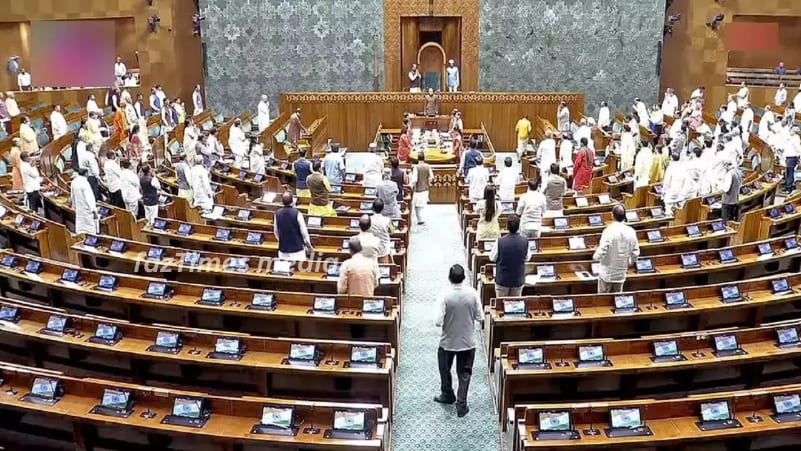
fazTimes news: The Indian Lok Sabha is planning to use a digital method to keep track of Members of Parliament (MPs) attendance based on their spots starting with the Monsoon Session, which runs from July 21 to August 21. This is both innovative and useful. This change is meant to make political processes more efficient and make people more accountable. It is another step toward a more modern and open system of government. This was announced by people from the Parliament Secretariat, which has caused political observers, law experts, and the public to talk about it.
Officials say that under the new system, MPs will have to log in from their assigned places in the house to show that they were there. This will replace the old way of signing attendance books that were kept in the hallway.
Why the Change Had to Happen
Over the years, the lobby area has become a busy and slow place where MPs sign in to show that they are there. There are long lines of MPs trying to sign in on busy days, like when there are big votes or when important bills are being talked about. This has slowed things down and made people wonder if the process is fair and clear. Worse still, people are getting angrier and angrier when MPs don't show up when they're supposed to.
BBC News said that there were times when MPs showed up but didn't participate in the debates or vote on important topics. People have said this is a bad use of public money, which has led to complaints. MPs are paid a daily allowance of ₹2,000, and this amount is based on how much time they spend in the House.
Rules aren't the only problem.
Signing in as an MP but not taking part hurts the process of making laws and the trust that people have in them. Since he became Lok Sabha Speaker, Speaker Om Birla has been working hard to make changes that will make the work of parliament more up-to-date.
A news source called Al Jazeera says that Speaker Birla is working hard to make the House's main tasks more digital and efficient. Someone in charge in the Speaker's office said, "Being present is the first step toward accountability." They said that the new system would help cut down on wait times and make it easier to see how much each person is contributing.
The old method for keeping track of people will still be used for a while, but it will be slowly removed. This slow change gives members of Parliament, especially those who aren't good with technology, time to get used to the new system. In addition, it lets the new process be tested in real-life situations before it is used as the main way.
The digital system for seats and how it will work.
Every place in the Lok Sabha room will now have an electronic device for keeping track of who is there, like the buttons used for voting. MPs will need to either press a button or scan a card at their place to show that they are there. This move will be saved with a timestamp and sent right away to a central database.
The National Informatics Centre (NIC) is in charge of this system's technology.Part of the reason for this is that the PRS Legislative Research database makes it easy for people to see how often MPs are in the House. People on social media and activists often bring up MPs who don't show up very often, especially those who are rarely seen in Parliament but are often seen at public events or going abroad.
This is very important because India's young people are learning more about politics and want a better government. Everything is controlled by technology these days, from banks to voting. So why should Parliament be different?
A Step Towards a More Open Parliament
This is something that more than just India is working on. A lot of countries, like Germany, South Korea, and Brazil, have started using computer methods to keep track of who is in the government and how they vote. Aside from making things run more smoothly, these tools also help keep better records of how lawmakers act and take part.
In India, where the 784 members of both houses of parliament reflect a big and diverse community, it's important to make sure that these people are part of making laws. This is a very important part of having a strong and healthy society.
What's to Come
The main goal is to make it easier to keep track of attendance, but the digital seat-based method could also be used for other changes in the future. Automatic speech records, live attendance screens that anyone can see, and AI tools that look at trends in how many people from different political groups show up could all come about as a result.
During the execution, there will be problems, such as tech issues, making sure data is kept safe, and making sure everyone follows the rules. The big picture, though, is still clear: a Parliament that works well and is ready for the rest of time.
In conclusion, this is a good step for India's democracy.
The Lok Sabha's new digital attendance system is more than just a tech improvement. It shows that India's Parliament is ready to lead by example and change. Like these changes, the future will be based on data and digital tools. These kinds of changes help connect what people want and how politics work.
It makes things more open for people. It's a quiet warning for MPs that their job isn't just about power, but also about duty.
At FazTimes, we prioritize accuracy, confidence, and strong journalistic standards. To ensure every news story we share is real, we verify it with multiple trustworthy and independent sources.
We’ve compared this report with coverage from major news outlets around the world, including BBC News, Reuters, Bloomberg, South China Morning Post, Al Jazeera, NDTV, The Economic Times, and The Indian Express.
Our dedication lies in upholding the highest standards in global journalism, ensuring our readers can trust the information they receive.


Discussion0
Join the conversation on this story
Loading comments...