
Madhya Pradesh Monsoon: 252 Dead, 3,600 Rescued Amid Furious Rains
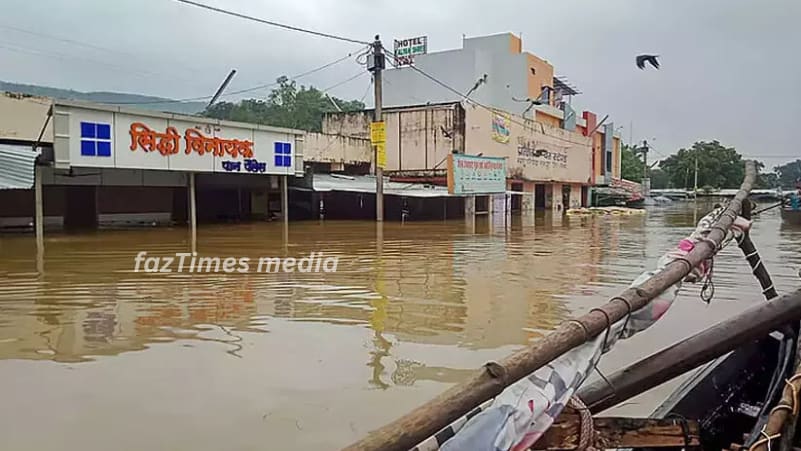
FazTimes media: Bhopal — This year's monsoon has shifted from being beneficial to causing a significant problem in Madhya Pradesh. Heavy rains have taken 252 lives, broken thousands of homes, and made over 3,600 people leave their homes. The state, renowned for its culture and forests, is now facing one of the worst monsoon effects in recent times. The situation has revealed the vulnerability of rural buildings and raised significant concerns about the state's preparedness to address climate challenges.
A State Under Siege by the Skies
During a recent video call led by Chief Minister Mohan Yadav, officials reported that the situation is very bad. The monsoon rains this year exceeded expectations, causing floods, home destruction, lightning incidents, and landslides in numerous areas.
During a meeting with local officials, we discovered that 3,065 individuals are currently residing in 53 government-run shelter camps. These camps offer them food, clean water, medicines, and clothing.
The Chief Minister showed profound sadness over the loss of lives and the damage to livelihoods. He promised full government help to those affected. “The safety of our people is our main concern. We are watching the situation closely and are using all available resources for rescue and relief,” said Yadav.
The Human Toll: A Stark Reminder
The total of 252 deaths shows a very sad situation:
47 people died because of rain-related accidents like trees falling, roads washing away, and electrical dangers.
132 people drowned while trying to cross or move through flooded rivers and streams.
60 people were struck by lightning, which is becoming a bigger problem during the monsoon season.
13 people died because of walls, homes, or trees collapsing.
The loss isn’t just for people.
Reports from local animal departments say 432 animals, mostly milk cows, and 1,200 birds died in rain-related accidents. This has hit rural incomes very hard.
The infrastructure is in poor condition due to the heavy rains, particularly in villages and small towns. The New Indian Express reported that the heavy rains destroyed 128 houses and partially damaged 2,333 others. For families in rural areas who don’t have much, these houses are often their only valuable possession.
Furthermore, 254 rural roads have been damaged or washed away, making it hard for people to get to important places like hospitals and markets. In some areas where tribal people live, villagers said they had to walk more than 15 kilometers through water up to their knees to reach safer areas.
Low-lying areas in the Mandla, Seoni, Shahdol, and Hoshangabad districts continue to trap people, and the floodwaters have not yet completely subsided.
When the Skies Won’t Stop
Madhya Pradesh has received 711.3 mm of rain so far, which is 59% more than the usual amount for this time of year. Of the 55 districts, 40 have had more rain than usual, and nine have had normal rain. One of the worst-hit areas is Mandla, a district in the Mahakoshal region.
In just four days, it got 51% of its yearly average rainfall, which is 1,107 mm. The Narmada, Son, and Wainganga rivers have swollen excessively, flooding bridges, farmland, and homes. Experts, according to BBC News, believe that these extreme weather events are now commonplace.
Signs indicate a shift in the climate. Monsoons are now coming harder, more unpredictably, and with more damage.
The Government’s Response: Help, Rescue, and Support
The government of Madhya Pradesh has set aside ₹3,600 crore from the Disaster Relief Fund to help with both immediate and long-term efforts. So far, ₹28.49 crore has been given to local groups to help with emergency work.
Cities at high risk of flooding, such as Bhopal, Gwalior, Jabalpur, and Dhar, have received the National Disaster Response Force (NDRF). Meanwhile, the State Disaster Response Force (SDRF) is working in areas where floods are likely to happen across the state.
Rescue teams have taken out 3,628 people, including pregnant women, children, and older people, using boats, helicopters, and even tractors in hard-to-reach places. Doctors and first responders are visiting shelters to stop water-related diseases from spreading.
Still, community groups and local people are asking for quicker action and better plans. “Floods are not uncommon anymore. We need to get our villages ready each year with flood walls, early warnings, and safe places to stay,” said Rani Bai, a schoolteacher from Sehore district, whose house was flooded last week.
A Rural Economy in Trouble
Besides the harm to people and the damage to buildings, the heavy rains have also badly hit the farming economy in the state. Paddy and soybean—which are the main crops in Madhya Pradesh—have been flooded or washed away in many areas.
Farmers, who were already having a hard time with the cost of farming tools and other materials, are now losing both their growing crops and their animals. Experts worry this might lead to more rural debt, more people moving to cities, and a lack of food shortly.
Ram Kishan, a farmer from Betul, said, “Every year it’s either drought or flood. How are we expected to manage? An unexpected flood devastated his two-acre soybean field.
Al Jazeera reports that these kinds of weather-related problems are happening more often in central India, and there is a need for quick action to support agriculture that can handle climate change and better insurance plans for farmers.
Preparing for a New Monsoon Reality
Climate scientists have been saying for a long time that the monsoon in South Asia is changing because of global warming. Now, there are longer periods without rain, followed by sudden and heavy downpours, which cause floods and landslides.
Dr. Rekha Sharma, a climate expert at the Indian Institute of Tropical Meteorology, said, “Madhya Pradesh is now seeing monsoon patterns like those in the northeast or Himalayan regions—very heavy rain happening over just a few days. This is a big change from what we used to expect.”
She also said that the government needs to update its flood maps, use better data on rainfall as it happens, and build stronger infrastructure to stop future disasters from happening.
The Road Ahead: Lessons in Resilience
While helping people right after a disaster is important, the bigger picture shows that being prepared for climate change must be a key part of how governments run things, especially in rural areas of India. More and more, both experts and regular people are saying that we need:
Early warning systems in areas that are at risk
Strong embankments and good drainage in villages that often flood
Houses that can withstand flooding for rural families
Insurance for farmers and herders to cover losses from climate events
Training for communities on how to prepare for disasters
If these steps are done properly, they can help cut down on the yearly problems caused by heavy monsoon rains that are getting worse.
In Conclusion: Nature's Anger, Humanity's Challenge
This year’s monsoon has left more than just water and mud—it has left pain, confusion, and tough questions.
Helping the people of Madhya Pradesh rebuild their lives isn’t just about getting supplies. It also needs kindness, readiness, and a bigger push for lasting change.
As the state government works hard, the people of Madhya Pradesh, especially in the villages, are watching carefully. They aren’t just caught in a natural disaster. They are seeing firsthand how the planet is changing.
At FazTimes, we prioritize accuracy, confidence, and strong journalistic standards. To ensure every news story we share is real, we verify it with multiple trustworthy and independent sources.
We’ve compared this report with coverage from major news outlets worldwide, including BBC News, Reuters, Bloomberg, South China Morning Post, Al Jazeera, NDTV, The Economic Times, and The Indian Express.
Our dedication lies in upholding the highest standards in global journalism, ensuring our readers can trust the information they receive.


Discussion0
Join the conversation on this story
Loading comments...