
Meat Shops to Shut in Sambhajinagar on Independence Day


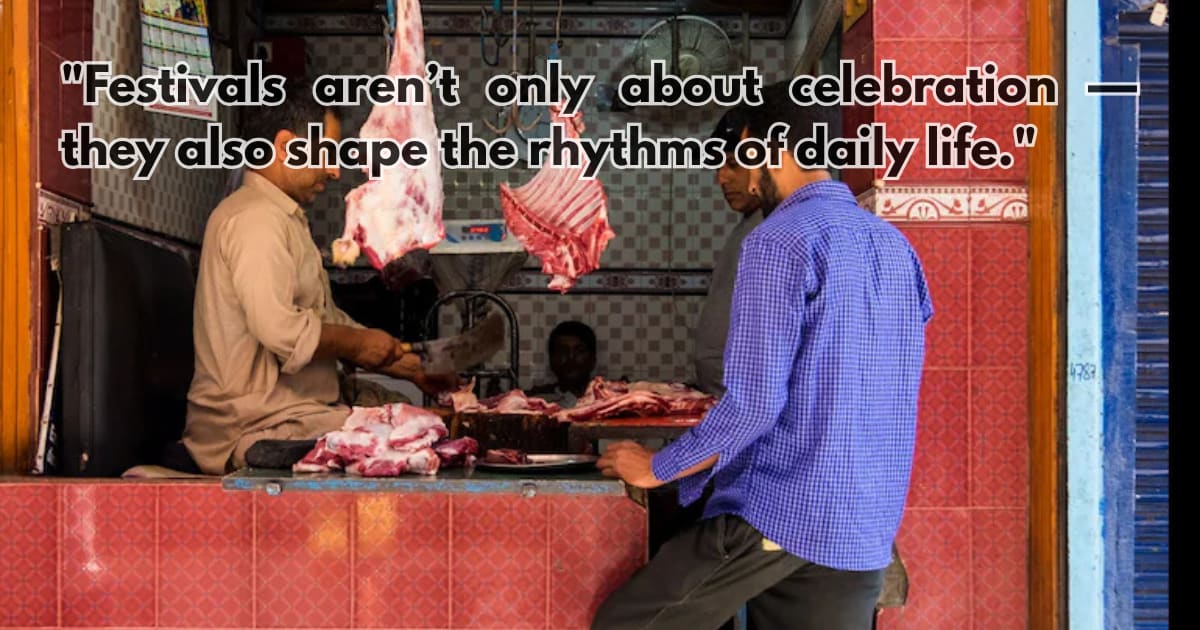


FazTimes Media, Aurangabad, Maharashtra – The Aurangabad Municipal Corporation (CSMC) has issued a new order requiring all slaughterhouses and meat-selling businesses in the city to close on August 15 and August 20, which has sparked significant discussion among community members.
According to the order, every meat vendor, poultry seller, and slaughterhouse must stop operating on these two days. This decision came after several Hindutva groups officially asked the local authorities to take such action, as these dates are close to important religious festivals.
The civic body officials explained that the move aims to "respect religious feelings" and "encourage peaceful relations" during Hindu and Jain festivals.
The Special Dates – Why Closure is Happening
August 15–Gokul Ashtami:
This year, Gokul Ashtami, also called Janmashtami, falls on the same day as India’s Independence Day. It is a big Hindu festival that celebrates the birth of Lord Krishna. People usually sing devotional songs, take part in ‘dahi handi’ games, and fast.
Officials explained that closing meat shops on this day is to keep the festival respectful. Celebrating the birth of Lord Krishna is a time for devotion, cultural activities, and eating vegetarian food. Closing slaughterhouses matches the religious traditions of many in the community,” said a senior official from CSMC.
August 20–Paryushan Parva
Five days later, the Jain community celebrates Paryushan Parva, one of their most important festivals. This time is for prayer, self-control, non-violence, and eating only vegetarian food. Jains avoid any harm to animals during this festival.
As reported by Al Jazeera, similar bans have been seen in different Indian cities during Jain festivals, leading to discussions about the balance between religious practices and business rights.
Position of the Civic Administration
The official order, approved by the municipal commissioner, clearly states:
“On August 15 and August 20, there will be a complete ban on killing animals and selling meat products inside the city of Aurangabad. Any person who breaks this rule will face serious legal action.”
Copies of this order have been sent to:
The Police Commissioner of Aurangabad
All police stations in the city
Groups that represent meat traders and butchers
Local civic offices are responsible for monitoring and implementing the rule
The CSMC has also asked the police to create teams across the city to make sure people obey the rules.
Diverse Opinions From Residents The order has elicited a range of reactions from residents, shop owners, and community leaders.
Those who support the ban say that respecting religious feelings on important festival days helps bring people together. “India’s diversity is our strength, and sometimes making a small change, like closing shops for a day, shows respect for others’ beliefs,” said Prakash Kulkarni, a shop owner in Shahgunj.
A representative from the Jain community also supports the order, saying, “Paryushan is a sacred time for us. Not killing animals during this time is an important expression of non-violence (ahimsa).”
However, some people disagree with the ban, saying it limits personal freedom and affects business rights. “Meat shop owners are already struggling with higher costs and lower sales. Closing for two busy days causes a big loss in income,” said Aslam Sheikh, a wholesale chicken trader in Aurangpura.
Many residents are worried about how religious practices and city rules should work together. “I respect everyone’s festivals, but I think the government shouldn’t force dietary rules on the whole city,” said Neha Deshmukh, a college teacher.
Economic Implications for Vendors
The shutdown is expected to affect more than 250 licensed butchers as well as many informal sellers in the area. Butchers say that even a single day of closure can result in losses of thousands of rupees, especially when dealing with fresh meat that goes bad quickly.
Rashid Khan, who runs a mutton stall near Paithan Gate, explained:
“Meat doesn’t last long in this hot weather, and keeping it cold is expensive. If we have to close suddenly, any unsold meat gets thrown away. That’s money we lose.”
A Common Practice in India
Temporary bans on meat sales during religious holidays are a regular occurrence in India. In Mumbai, the Brihanmumbai Municipal Corporation (BMC) has imposed similar restrictions during Paryushan.
According to BBC News, these measures usually get support from religious groups but have led to legal challenges from business associations and activists who argue that they violate the constitutional right to run a business.
Finding a Balance Between Rights and Beliefs
Religious sensitivity involves respecting traditional festival practices.
Individual liberty guarantees the freedom to select their food preferences.
Economic concerns involve bolstering the earnings of vendors.
Legal experts mention that while local governments can enforce temporary rules for public order or cultural reasons, broad bans can be challenged in court if they unfairly affect certain groups.
Our primary goals at FazTimes Media are to be accurate and confident and adhere to the highest journalistic standards. We check every news story we share against several trustworthy and separate sources to ensure its accuracy.
We have read this report along with articles from major news outlets throughout the world, including BBC News, Reuters, Bloomberg, Al Jazeera, NDTV, The Economic Times, and The Indian Express.
We want to keep the highest standards in global journalism so that our readers can trust the information they acquire.


Discussion0
Join the conversation on this story
Loading comments...