
General
Monsoon Fury: Heavy Rain Kills 15 in Uttarakhand & Himachal
By Saquib Ansari
Published: Sep 17, 2025, 06:22 AM
Last updated: Sep 17, 2025, 07:21 AM
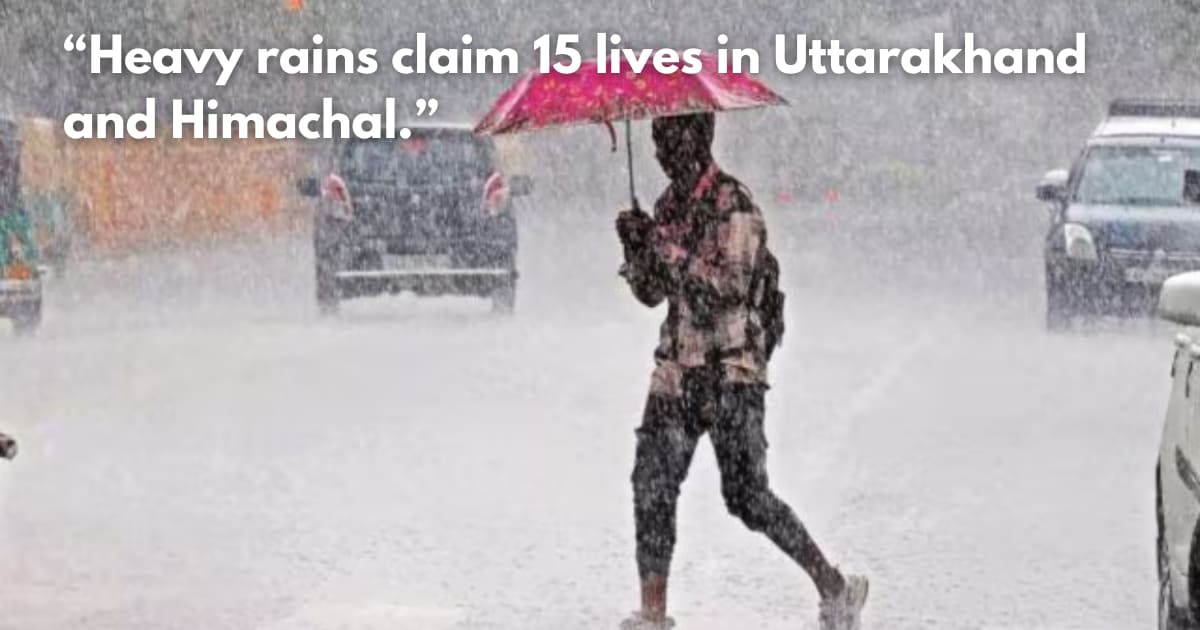
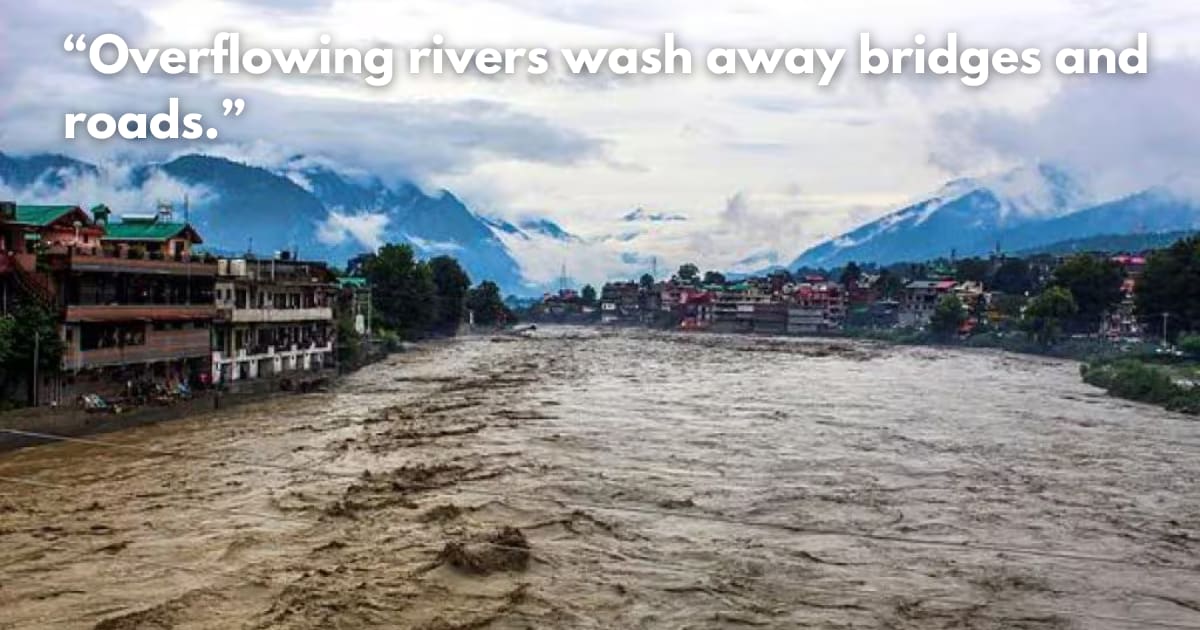

FazTimes Media: 'Continuous heavy rainfall has unleashed destruction across Uttarakhand and Himachal Pradesh, claiming at least 18 lives and leaving thousands stranded as swollen rivers, landslides, and flash floods cut off entire regions. With the Meteorological Department forecasting more showers in the coming days, both hill states remain on high alert.'
Uttarakhand: Lives Lost and Roads Swept Away → Uttarakhand’s Deadly Deluge
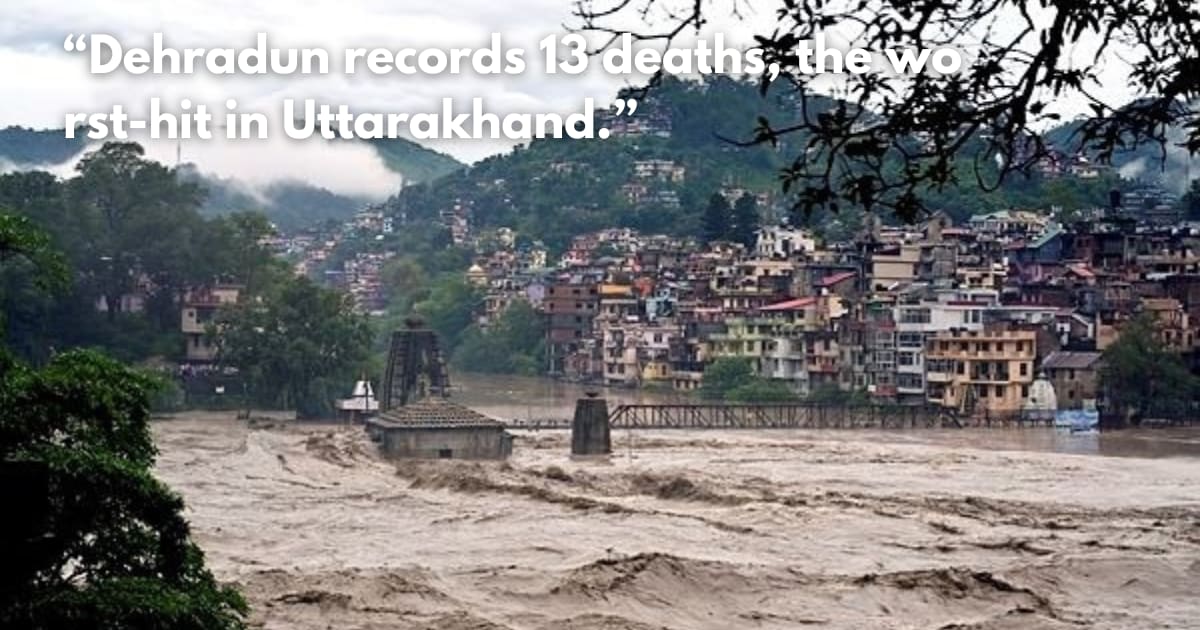
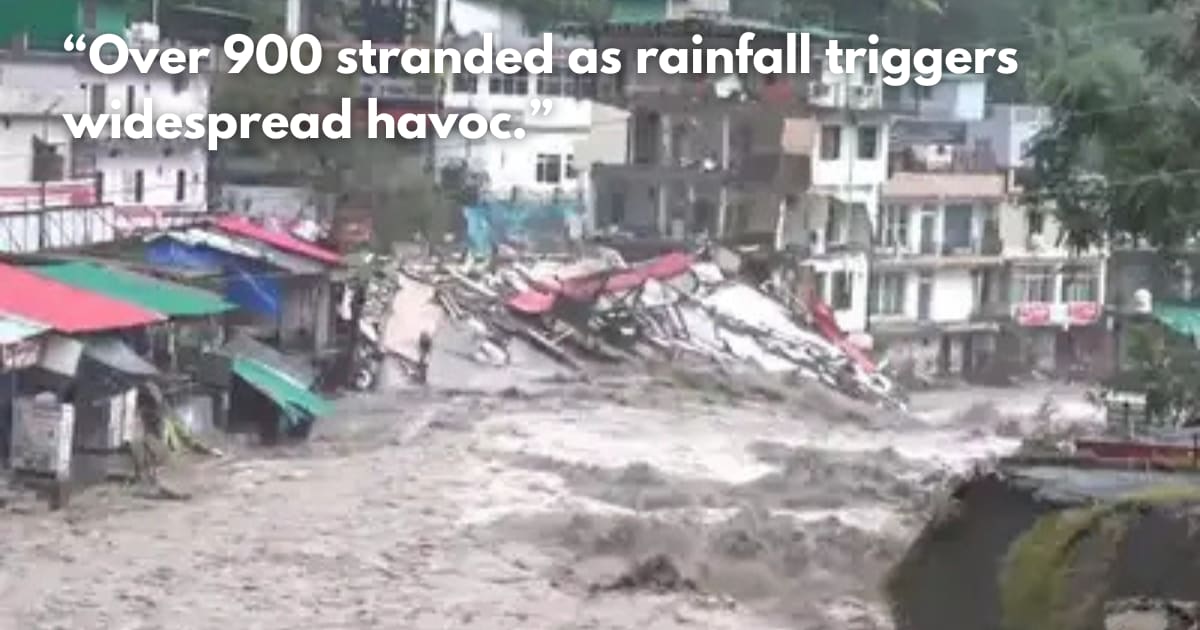
Relentless rain has battered Uttarakhand's state capital, Dehradun, since Monday night, causing flash floods and widespread property damage. Officials confirmed 15 deaths, with the highest toll—13 fatalities—reported in Dehradun alone. One casualty each was recorded in the Nainital and Udham Singh Nagar districts.
Telephone lines were snapped, while power poles were uprooted, plunging localities into darkness. More than 900 people remain stranded in different parts of the state. Authorities are using inflatable boats to evacuate villagers from inundated zones.
According to Al Jazeera, eyewitnesses described the scene as “terrifying”, with rivers that normally run calmly now roaring through towns, dragging away vehicles and chunks of road.
Missing Persons and Rising Fear → The Disappeared & the Fear
The rainfall data reveals the scale of the crisis: between September 1 and 16, Uttarakhand received 1,375.9 mm of rainfall, which is 24 per cent higher than the normal average of 1,108.8 mm. Experts say the intense precipitation is the result of interaction between easterly and westerly winds, creating unstable weather conditions across the Himalayan belt.
Himachal Pradesh: A Family Buried in Mandi → Tragedy Strikes Mandi
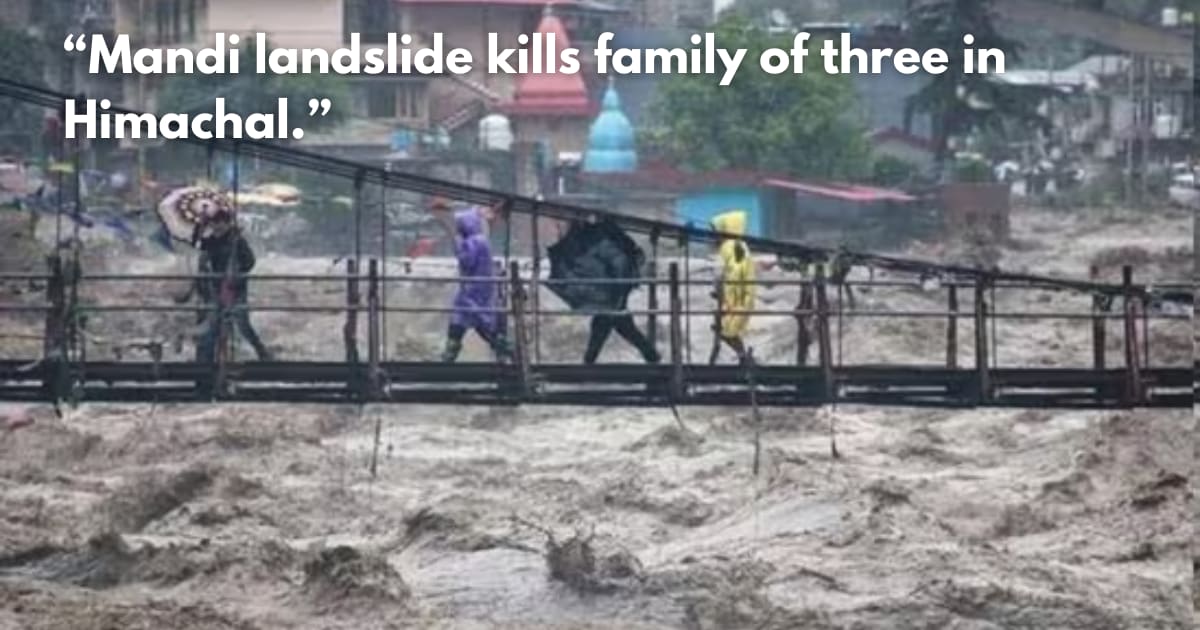
A nearby state, Himachal Pradesh, has also been badly affected. In Mandi District, a serious landslide happened late Monday night and buried a house, killing three family members. Floods washed away cars, damaged shops, and caused big cracks in roads.
Since the monsoon started on June 20, Himachal Pradesh has seen 417 deaths, with 45 people still missing and almost 500 people injured. This season alone, the state has faced 46 cloudbursts, 97 flash floods, and 140 landslides, leaving its weak land badly damaged.
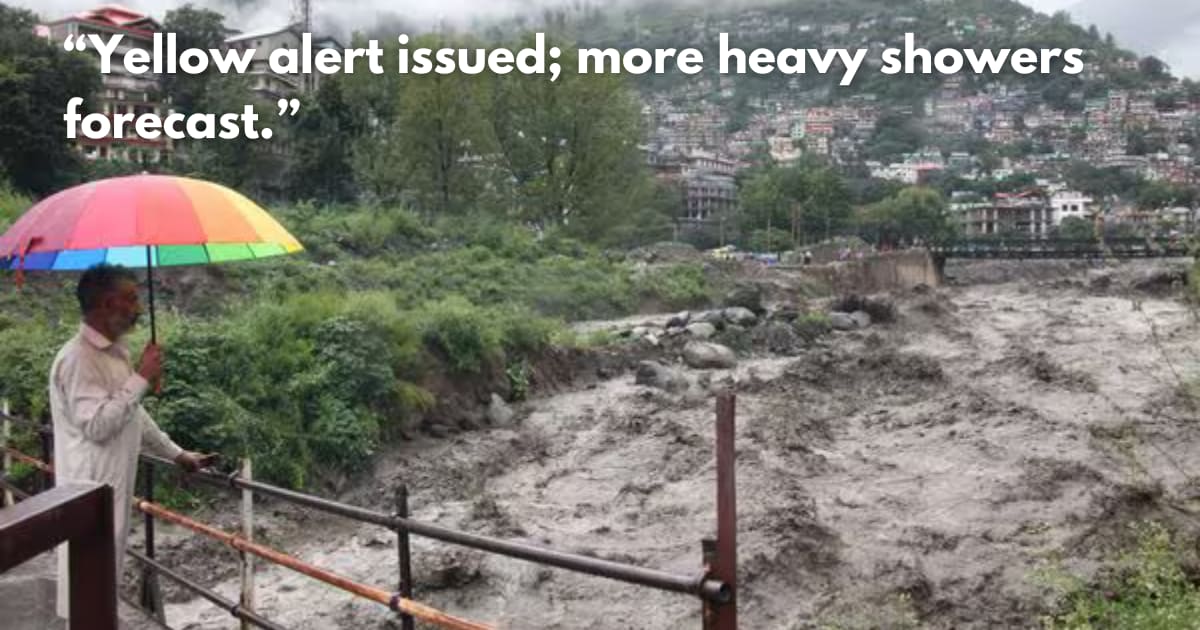
According to BBC News, the state has received 46 per cent more rain than usual between September 1 and 16. A yellow alert for heavy rain is still active in five districts, with warnings of possible landslides and flooding.
Buildings and Highways at Risk → Structures on the Edge
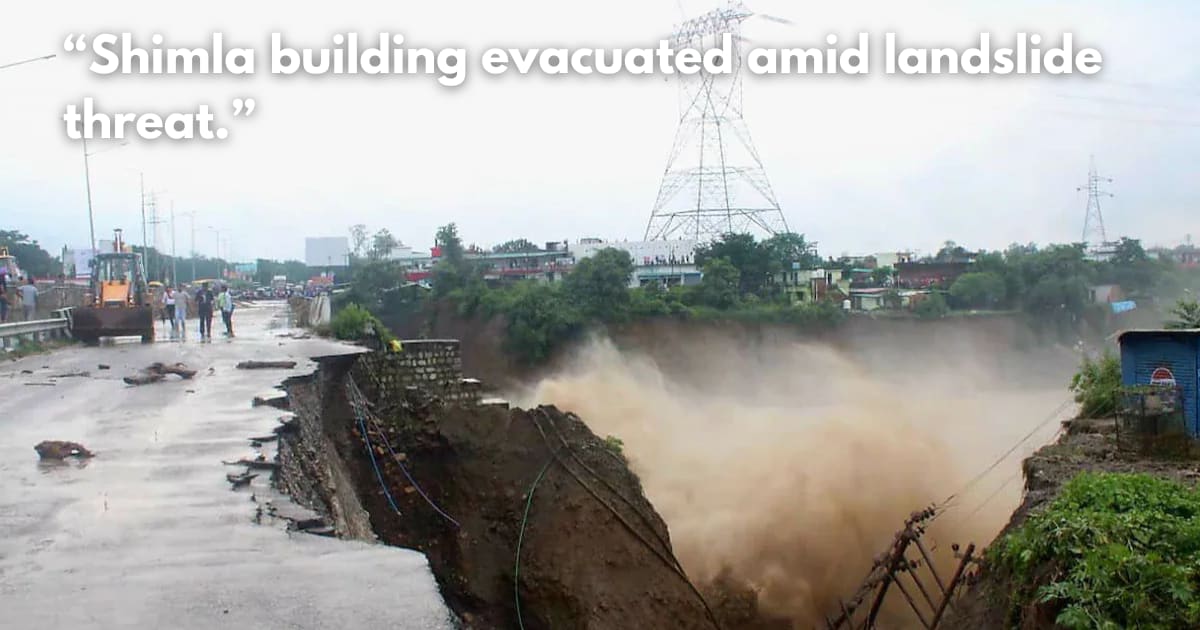
In Shimla, officials evacuated a five-storey residential building in Panthaghati after a landslide made the hillside unstable. Nearby, another landslide covered many parked cars with debris, causing traffic problems. Landslides blocked National Highway 5, an important road that connects Punjab's Firozpur to the Sino-Indian border at Shipki La. The debris made the situation worse. Big piles of mud and rocks proved difficult for heavy equipment to clear, leaving people stuck for hours.
Surprising pictures emerged from Mandi's Dharampur bus stand, showing buses half-submerged and others swept away by floodwaters. Witnesses said they heard loud noises of metal crashing and walls breaking as the rain got stronger overnight.
Infrastructure Damage and Service Disruptions → Lifelines Cut Off
The continuous heavy rain has left 655 roads closed, including parts of three national highways. In Uttarakhand, repair teams are working quickly to fix basic services. However, officials say the constant rain is making it difficult to do the work. An engineer from the Public Works Department said, "Every time we fix a power line or a road, another landslide sets us back to the start."
Why the Himalayas Are So Vulnerable → Fragile Himalayas Explained
Expanding roads for highways, building hydropower plants on steep hillsides, and building hotels near rivers are all making the area more at risk. A climatologist from The Hindu explained, 'The Himalayas are like a pressure cooker.' Extreme rain can rupture the lid, resulting in landslides and cloudbursts.
Human Stories from the Ground → Voices from the Disaster Zone
For the people living there, these disasters are real and heartbreaking. In Dehradun, a flooded road carried away Sunita Devi's husband. “We begged him not to drive, but he thought the water would go away. Now my children don’t have a father,” she cried.
In Shimla, students who were evacuated from the Panthaghati building took shelter in a nearby school. “We ran out with just our phones and wallets. The ground shook as mud started sliding down. We thought the building would fall any moment,” said Rajat, a 20-year-old college student.
Government Response and Relief Measures → Relief on the Way
Officials in both states have promised quick help and support for those affected. Teams are giving out food, blankets, and medical supplies. Helicopters are ready for rescue operations if the rivers rise. The Uttarakhand government has asked people to avoid unnecessary travel. Schools and colleges in high-risk areas remain closed. Families who lost their homes in Himachal Pradesh have set up temporary shelters, and authorities are checking buildings that might collapse.
Al Jazeera reported that the National Disaster Response Force (NDRF) has sent many teams to flood-affected areas. These teams are working constantly with local police and army units.
More Rain on the Horizon → Storms Still Ahead
The India Meteorological Department (IMD) has issued a warning, predicting heavy rain this week, particularly in the mid and lower Himalayas. Given the already saturated ground, even a light rain could trigger fresh landslides.
Scientists warn that extreme weather events may happen more often. “We need to prepare for longer monsoons with stronger rain.
Conclusion: A Tenuous Region on the Brink → A Region on the Edge
As the clouds keep covering the sky, one thing is clear: the Himalayan states can’t ignore what this monsoon has shown them.
Our primary goals at FazTimes Media are to be accurate and confident and adhere to the highest journalistic standards. We check every news story we share against several trustworthy and separate sources to ensure its accuracy.
We have reviewed this report, along with articles from major news outlets worldwide, including BBC News, Reuters, Bloomberg, Al Jazeera, NDTV, The Economic Times, and The Indian Express.
We want to keep the highest standards in global journalism so that our readers can trust the information they acquire.
Link:
https://www.faztimesmedia.com/viewpost/monsoon-fury-heavy-rain-kills-15-in-uttarakhand-himachal


Discussion0
Join the conversation on this story
Loading comments...