
Mumbai Police Grants CPI(M) Permission for Gaza Protest
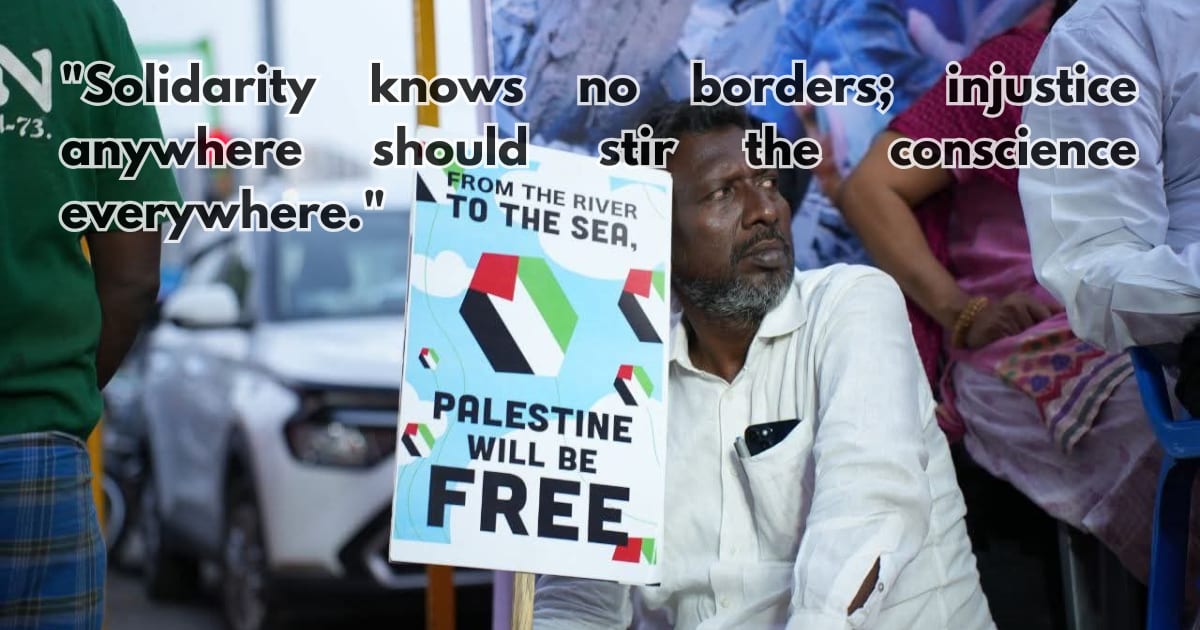
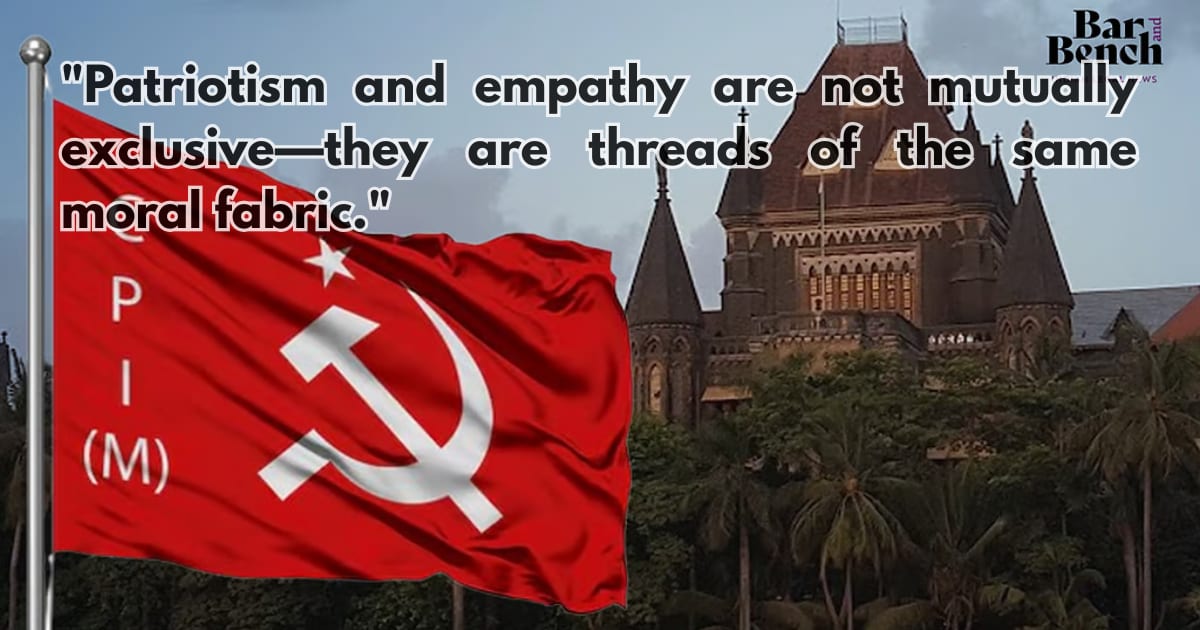

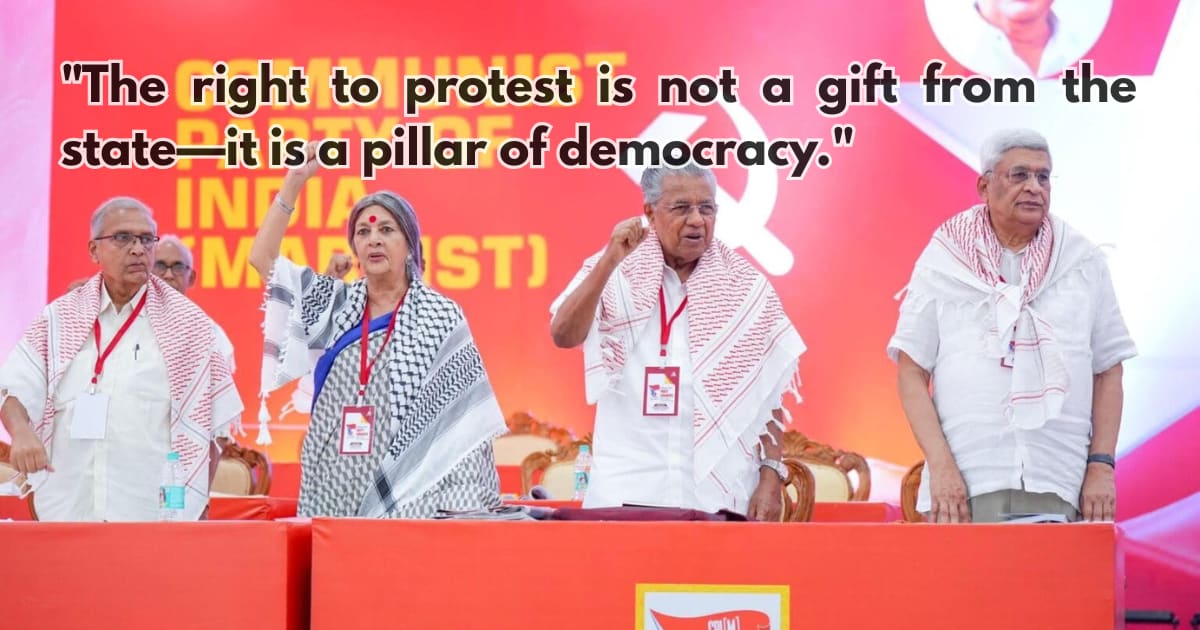
FazTimes Media, Mumbai, India — There has been an important development that shows how the discussion about democratic rights and foreign policy continues. The Mumbai Police have allowed the Communist Party of India (Marxist) [CPI(M)] to organise a peaceful protest against what they call “Israel’s genocide and war crimes” in Gaza. This decision came after the party presented a statement to the Bombay High Court, which then overturned a previous decision that had refused their request.
According to Live Law, the court formally accepted the police's statement and allowed the CPI(M) to hold their protest at Azad Maidan, a well-known place for demonstrations in the city.
From Rejection to Approval
Earlier, the Mumbai Police had refused the CPI(M)'s request to hold the protest at the same location, saying they were worried about security and public order. After that rejection, the CPI(M) went to the Bombay High Court for help. But the initial hearing didn’t go their way, as the court supported the police's decision.
The comments made by the judges during that hearing caused some controversy. The Wire reported that the judges told the people presenting the case to focus on India's problems rather than “issues far away”. One judge reportedly said:
“Our country has enough problems. We don’t want something like this. I’m sorry to say, you are all short-sighted. You are paying attention to issues in Gaza and Palestine. Focus on your country. Be patriots. Such conduct is not patriotism.”
Allegations of Inconsistency
Critics highlighted the inconsistent handling of public protests. The Wire noted that in December of last year, many people, including members of right-wing groups like the Vishwa Hindu Parishad, gathered outside the Bangladesh Deputy High Commission in Mumbai. They demanded the release of Chinmoy Krishna Das, an ISKCON priest under detention in Bangladesh. Both the police and the courts failed to put any restrictions on the protest.
Political analysts said that allowing other politically charged gatherings but not letting the CPI(M) hold a Gaza solidarity protest shows that civil liberties are being enforced in a selective way.
CPI(M) Reacts Proactively
After the first refusal, the CPI(M) accused the Bombay High Court of not paying attention to constitutional rights, especially the right to peaceful assembly and freedom of political expression.
The party said:
“The court seems to have ignored both the Constitution’s protections for political parties and India’s long history of supporting the Palestinian cause.”
CPI(M) leaders pointed out that India has consistently supported the Palestinian struggle for statehood, regardless of which political party is in power. They argued that blocking such expressions goes against India’s democratic values.
India has been involved with the Palestinian cause for a long time. Since it became independent, leaders like Mahatma Gandhi, Jawaharlal Nehru, and later Atal Bihari Vajpayee have supported the rights of Palestinians. Al Jazeera says that India was one of the first non-Arab countries to recognise the Palestinian Liberation Organisation (PLO) in the 1970s.
The Legal and Constitutional Structure
Article 19 of the Indian Constitution says that people can get together peacefully without weapons. However, this right is subject to “reasonable restrictions” to maintain public order and safety.
Senior lawyer Ayesha Mehra:
“The Supreme Court has often said that protests are a key part of a democratic society. When it comes to political expression, especially on humanitarian issues, authorities need strong proof of real threats or disruptions, not just guesses.”
She also said that allowing some protests and not others can create a perception of bias and damage trust in institutions.
Local historian Rajendra Mehta explained:
“Azad Maidan is more than just an open space. It is deeply connected to Mumbai’s political history. When permission is denied for a protest there, it sends a message—whether intentional or not—about which voices are considered important.”
Global Context: Rising Protests About Gaza
Around the world, people are showing more anger against Israel’s actions in Gaza. Amnesty International and Human Rights Watch assert that some of Israel's attacks may qualify as war crimes.
BBC News reports that the ongoing war has resulted in the deaths of thousands of Palestinians, including many children, and has displaced hundreds of thousands from their homes.
Public Response
In Mumbai, people have different opinions. Some people support the CPI(M) and say that India has a moral duty to help Palestine. Others think that resolving local problems, like unemployment and high prices, should be the main focus.
Sameer Khan, a 22-year-old college student:
“Sure, we have problems here. But not talking about injustice somewhere else isn’t the right choice. It’s about being human.”
On the other hand, Ravi Deshpande, a businessman, argued:
“We can’t solve big global issues by protesting here. We should first fix Mumbai — the roads, the cleanliness, and the corruption.”
Looking Towards the Future
Now that the police have allowed it, the CPI(M)’s protest at Azad Maidan is expected to bring together activists, students, and members from different civil society groups. The party leaders say the event will be peaceful, with speeches, chants, and cultural shows that honour the strengths of the Palestinian people.
Conclusion
The Mumbai Police's decision is more than just a win for the CPI(M). It shows the ongoing fight between the right to speak out and government control, especially when global issues affect local ones.
Whether the protest changes people’s views on Gaza or not, it has already started a new conversation about who is allowed to speak out in India’s public spaces — and who isn’t.
As one experienced activist said:
“Today it’s Gaza. Tomorrow it could be another cause. The real question is, will we continue to have the right to speak out?”
Our primary goals at FazTimes Media are to be accurate and confident and adhere to the highest journalistic standards. We check every news story we share against several trustworthy and separate sources to ensure its accuracy.
We have read this report along with articles from major news outlets throughout the world, including BBC News, Reuters, Bloomberg, Al Jazeera, NDTV, The Economic Times, and The Indian Express.
We want to keep the highest standards in global journalism so that our readers can trust the information they acquire.


Discussion0
Join the conversation on this story
Loading comments...