
Muslim World League Forms Coalition to Combat Extremism & Terrorism

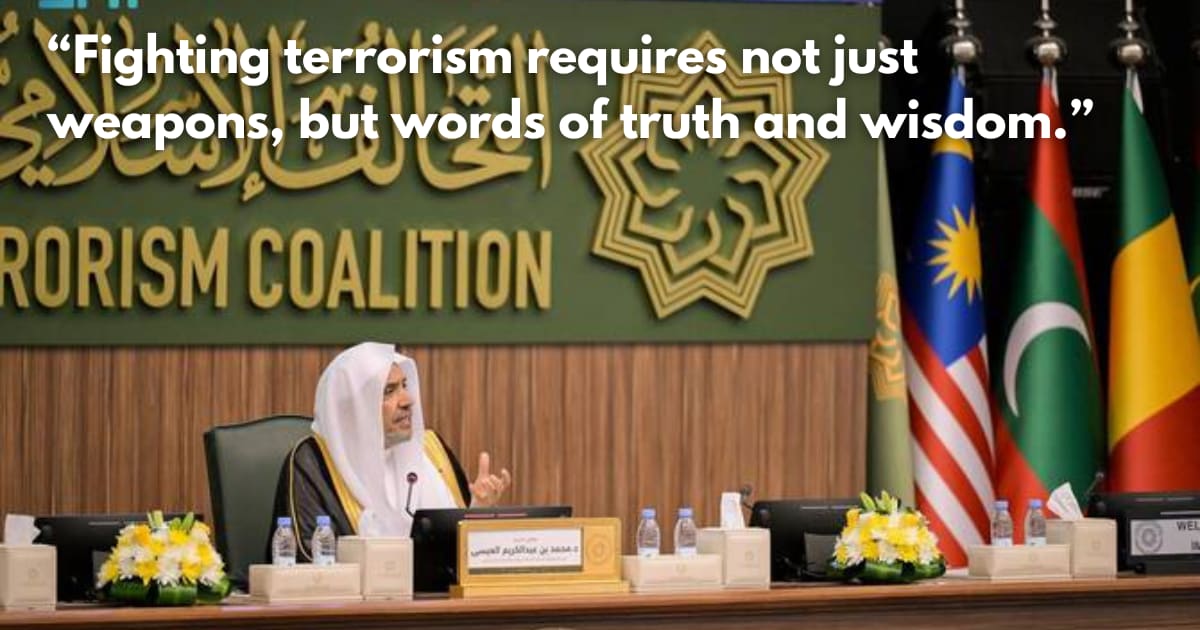
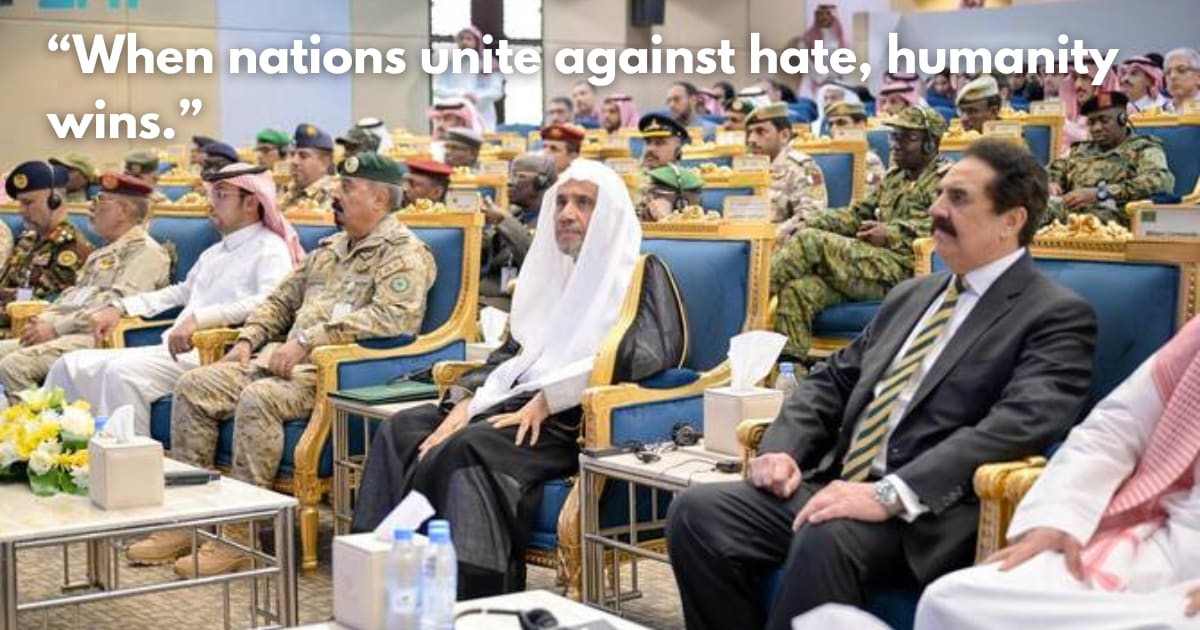
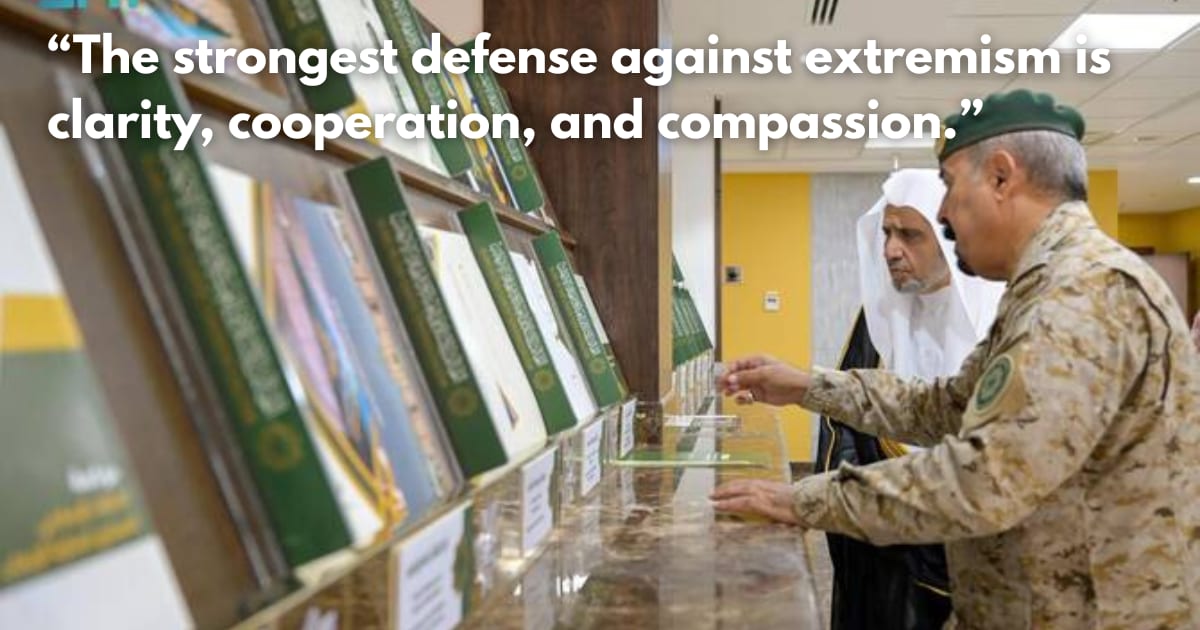
FazTimes Media: In a time when extremist ideas keep changing and spreading around the world, Muslim leaders are working hard to create better answers through knowledge, culture, and security. On Sunday, an important move happened when Dr Mohammed bin Abdulkarim Al-Issa, the head of the Muslim World League (MWL) and a leader of the Association of Muslim Scholars, went to the main office of the Islamic Military Counter Terrorism Coalition (IMCTC) in Riyadh.
The visit included speeches, discussions, and a strong promise from both the MWL and IMCTC to work together to fight extremism and terrorism across the Muslim world.
A Talk on Today’s Extremist Trends
During his visit, Dr Al-Issa gave a talk called “Understanding the Changes in Modern Extremist Ideas”. In his speech, he talked about how extremist thoughts have changed over time, taking on new forms and using different methods. Today's radical groups, according to Al-Issa, do not adhere to a single religion, politics, or way of thinking. Instead, they change quickly and use the internet and social media to spread their message.
“Extremism stays strong because it knows how to hide,” Al-Issa explained. “It takes advantage of people's problems, twists religious texts, and uses modern tools to reach those who are easy to influence.”
BBC News reports that many experts who study terrorism have noticed a big increase in online radicalisation, especially among young people who get their information on the internet without checking it carefully. Dr Al-Issa’s speech showed the need for strong, convincing, and smart messages that can counter these extremist ideas.
The Role of Dialogue in Countering Extremism
A key point in Dr Al-Issa’s speech was the importance of dialogue. Just having conflicts won't stop extremism; instead, we need real conversations that are respectful and understanding. By talking to communities, scholars, and even those who disagree, we can better break down the wrong ideas that extremists spread.
He said, “Extremism grows when people are alone and don’t know the truth. Dialogue brings light to lies, making it harder for extremist beliefs to take hold.”
This idea fits with many efforts around the world that bring together different religions and cultures. Al Jazeera reported that religious leaders and peace groups have often called for more cultural and religious exchanges to stop extremist messages and reduce the fear of Muslims.
Addressing Islamophobia along with extremism
Interestingly, Dr Al-Issa didn’t only talk about radical ideas. He also spoke about Islamophobia, which is getting worse in Western and non-Muslim countries. He pointed out that false information, fear, and a lack of understanding are the main reasons for this problem.
By connecting the fight against extremism with the effort to reduce Islamophobia, Al-Issa gave a balanced view: extremism harms peace not just through violence but also by making people afraid and suspicious of Muslims. “We need to fight both,” he said, “because both are a danger to living together and global safety.”
IMCTC’s Expanding Role
Maj. Gen. Mohammed bin Saeed Al-Moghedi, the head of IMCTC, welcomed Dr Al-Issa and praised the MWL’s work around the world. He explained that the coalition is set up to fight terrorism through four areas:
Intellectual: Creating materials that counter wrong ideas and working with scholars.
Media: Challenging extremist messages online and in real life.
Counter-terror financing involves identifying and halting the flow of money supporting terrorism.
The military assists member countries in enhancing their defence capabilities and fostering collaboration.
Al-Moghedi said that terrorism is not just a problem for one country but a threat to the whole world. “Our coalition shows a united Muslim world,” he said, “one that is ready to stop extremist ideas and keep peace.”
A Symbol of Muslim Unity
Many experts see the teamwork between MWL and IMCTC as a sign of unity among Muslims. Often divided, the Muslim world poses significant challenges in addressing global issues. These two groups are not only working together in military ways but also through ideas and culture.
Saudi Arabia’s Support
Dr Al-Issa praised the Kingdom of Saudi Arabia for its strong support of both MWL and IMCTC. He said Saudi Arabia has always been against terrorism and has put in resources and effort to fight radical groups. Saudi Arabia’s role is important because it is the birthplace of Islam and has a lot of influence in world politics. When Riyadh leads these groups, it tells the world that extremism has nothing to do with Islam—it's a wrong idea about it.
Broader Implications for the Muslim World
The fight against extremism is not just in the Middle East. Countries in South Asia, Africa, and even parts of Europe have seen terrorism driven by extreme ideas. MWL and IMCTC are making plans that include education, talking, controlling money, and being ready for military use. They hope that other parts of the world can also implement these plans.
People in South Asia, like in India and Bangladesh, can understand these efforts. These countries have also had problems with extremism, sometimes causing serious violence. A stronger Muslim group worldwide brings hope to communities that are at risk of being drawn into extremist groups.
The Challenge of Modern Communication
Today, extremists are not just groups hiding in the desert or mountains. Extremist ideas often spread through platforms such as Telegram, WhatsApp, and even major social media sites. Just banning or restricting these platforms is insufficient to combat this. There needs to be beneficial, relatable content that shows the real values of Islam. Dr Al-Issa asserted that the quality of the message is the crucial element missing from international efforts.
That means scholars, teachers, reporters, and community leaders all have a role in creating stories that are both smart and touching.
Conclusion
The partnership between the Muslim World League and the Islamic Military Counter Terrorism Coalition is a sign of hope in a world that is often filled with problems. By focusing on more than just military actions, and also on ideas, culture, and society, this group is showing a new way to fight extremism.
For people in South Asia and everywhere else, the message is clear: terrorism does not have to be the future. With unity, open conversation, and a belief in truth, it is possible to build a world where extremist ideas are replaced by teamwork and respect for each other.
Our primary goals at FazTimes Media are to be accurate and confident and adhere to the highest journalistic standards. We verify every news story we share against several trustworthy and separate sources to ensure its accuracy.
We have reviewed this report, along with articles from major news outlets worldwide, including BBC News, Reuters, Bloomberg, Al Jazeera, NDTV, The Economic Times, and The Indian Express.
We want to keep the highest standards in global journalism so that our readers can trust the information they acquire.


Discussion0
Join the conversation on this story
Loading comments...