
Netanyahu Considers Full Gaza Occupation Despite Military Opposition & Global Pressure

FazTimes Media reports on August 6, 2025, from the Middle East Desk: As the war in Gaza enters its second year, Israeli Prime Minister Benjamin Netanyahu is said to be thinking about a full military takeover of the area. This could exacerbate the already severe conflict. Even though there is more pressure from around the world for a pause in fighting, people near the Israeli government say that defeating Hamas completely is still the main aim.
Netanyahu spoke during a visit to a military training site on Tuesday. He said, “It is important to finish defeating the enemy in Gaza, to rescue all our hostages, and to make sure Gaza won’t be a danger to Israel anymore.”
These remarks coincide with a crucial Israeli government meeting, where the decision on a new war plan is imminent.
A Dangerous Shift in Strategy?
Al Jazeera reports that Hamas has completely refused to change its main goals during ceasefire talks. A senior official, Hossam Badran, said this week that “the ball is in the hands of the Israelis and the Americans” and urged an end to the war and the hunger that is affecting Gaza.
The United Nations is sounding the alarm more urgently than ever. On Monday, Miroslav Jenca, who helps manage political issues for the UN, spoke to the Security Council. He warned that if Israel continues to expand its military presence, it could lead to "catastrophic consequences" for Palestinian civilians and make the already terrible situation even worse.
Hostage families and civil society groups are pushing for a deal to stop the fighting. Recent videos, said to show sick and weak Israeli captives held by Hamas, made people very upset and increased the call for the hostages to be released safely.
Gideon Saar, Israel’s foreign minister, talked about the hostages during a meeting with the UN Security Council.
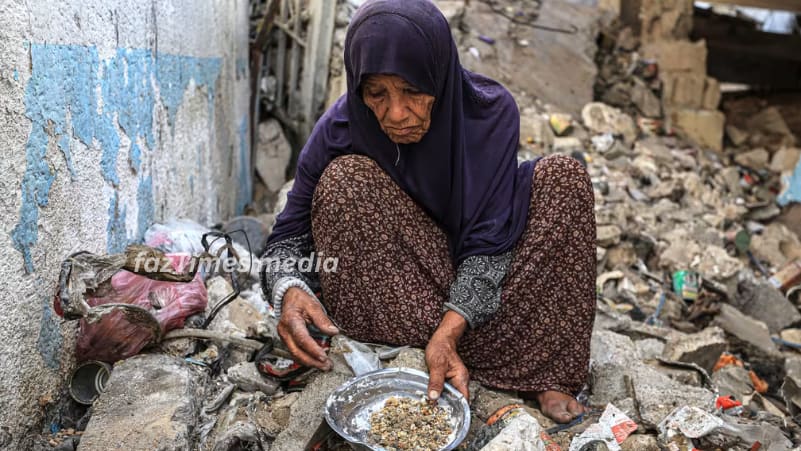
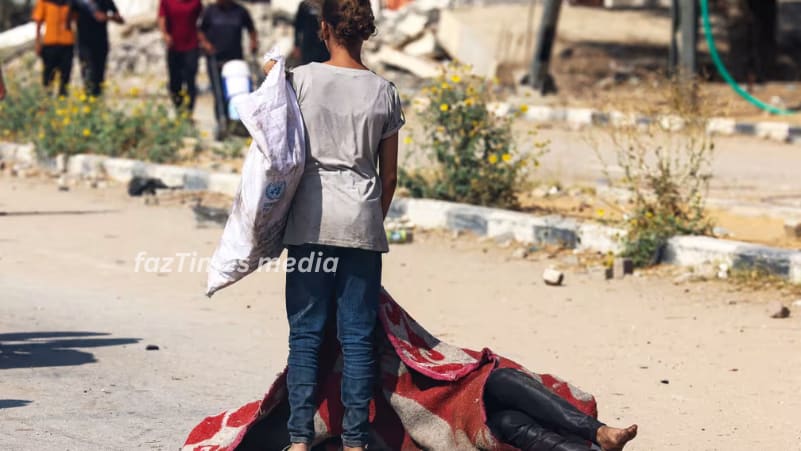
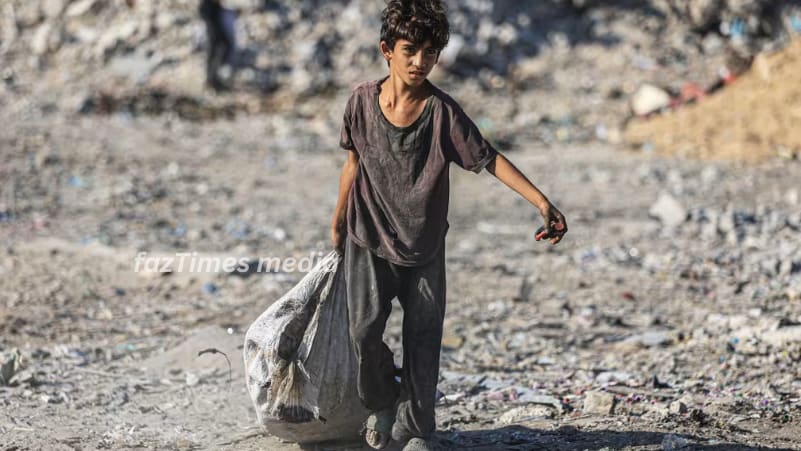
The humanitarian crisis in Gaza is getting worse. Whole areas have been destroyed, and over 80% of people now rely on aid. Famine-like conditions are common, especially in the north and middle parts of the region.
In March, Israel completely blocked Gaza, stopping fuel, food, medicine, and electricity from getting in.
Some of these restrictions were eased after two months of international pressure, but aid groups say there's still not enough help, and getting supplies in is very controlled.
This incident recurred this week near several locations in Gaza where aid distribution was taking place. Gaza's defense agency said Israeli soldiers shot at large groups of people, killing at least 56. The people were reportedly trying to get to food trucks and aid vehicles in central Gaza.
The Israeli military claimed to have used "warning shots" to disperse the crowd, yet they denied any injuries.
Another similar event in northern Gaza caused 20 more deaths, according to local news. These repeated events show how dangerous it is when military actions meet the struggle for basic needs, and they raise big questions about whether the rules for fighting are being followed properly. Already, leaders from the EU, the Arab League, and even some in the US are calling for a more careful approach.
Tamar Levin, a political analyst from Tel Aviv, says, “Netanyahu is stuck between two groups: the families of captives who want the war to end and the hardliners who want to take over Gaza again. What he decides in the next few weeks could change not only his history but also Israel's future.”
The Road Ahead: Is Peace Still Possible?
As the world tries to restart talks about a ceasefire, people are still wondering if either side really wants peace.
The International Committee of the Red Cross (ICRC) said they are ready to help as a fair middle person. “We can bring food and help. We can also help people talk, but there needs to be an agreement,” a representative said.
Final Thoughts
The next few days will be crucial. As talks don't seem to be moving forward and military actions are being planned, the world is watching—hoping for peace but also ready for more conflict.
For more updates on this ongoing story, follow FazTimes Media’s Middle East Desk. Would you like a summary or social media caption to go with this article?
Our main goals at FazTimes media are to be accurate, confident, and follow excellent journalistic standards. We check every news story we share with a number of trustworthy and separate sources to make sure it's true.
We have read this report along with articles from major news outlets throughout the world, including BBC News, Reuters, Bloomberg, Al Jazeera, NDTV, The Economic Times, and The Indian Express.
We want to keep the highest standards in global journalism so that our readers can trust the information they acquire.


Discussion0
Join the conversation on this story
Loading comments...