
Nimisha Priya Case: Deceased Yemeni Man's Brother Insists on "Qisas", No Pardon
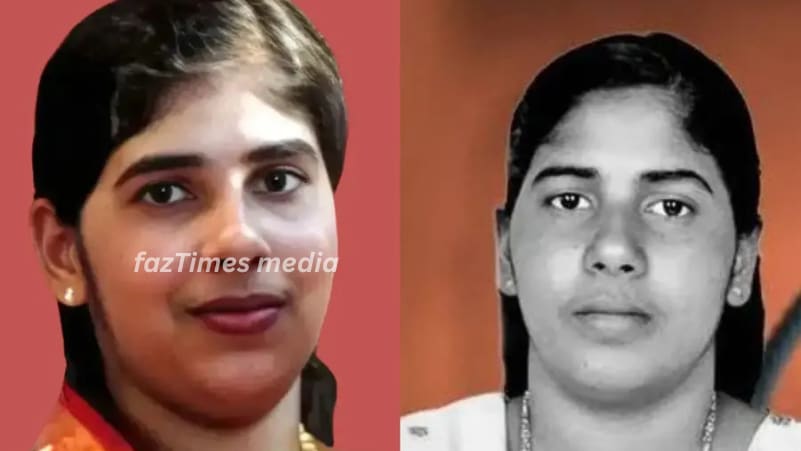
fazTimes media: Palakkad, Kerala — As diplomatic efforts and emotional appeals continue in India and the Middle East, Abdelfattah Mehdi, the brother of Talal Abdo Mehdi, a Yemeni man allegedly killed by Kerala nurse Nimisha Priya, has clearly stated, There will be no forgiveness. “She took my brother’s life without any mercy,” he said. “Why is she being seen as the one who needs help? This isn’t justice. My brother’s daughter still cries for her father.”
These comments came just days after Nimisha Priya’s planned execution was put on hold, giving her a short reprieve. However, this pause is not the same as a pardon. The path forward involves legal, diplomatic, and moral challenges—and, most importantly, the approval of the victim’s family.
A Case That Crossed Borders and Raised Questions
Nimisha Priya, a nurse from Kerala, moved to Yemen in 2008 to work in healthcare. She later started a clinic with the help of Talal Mehdi, a Yemeni man who is said to have taken advantage of her situation by taking her passport, leaving her trapped in the country. In 2017, during an argument about the passport, Priya reportedly gave Mehdi some medicine to help her get the document back.
The amount she gave was too much and caused his death. She was caught trying to leave the country and was found guilty of intentional murder. In 2020, she was given the death penalty, which was confirmed by Yemen’s Supreme Judicial Council in November 2023.
BBC News reports that the court also allowed for a possible pardon, as permitted by Sharia law, through “blood money.” This is when money is paid to the victim’s family in return for forgiveness and to avoid the death sentence. M. V. Govindan, a leader from the Kerala CPI(M), said, “Musliyar told me the execution is on hold and more things are being discussed.” He added that talks are still going on.
But this pause doesn’t mean Priya is safe.
If even one family member disagrees, the punishment can still go ahead. A businessman from Kerala, M.A. Yusuf Ali, has reportedly offered to pay for the blood money. People close to the case say the amount could be in the tens of millions of rupees—a huge sum for most Indians, but a big help in this situation.
However, Abdelfattah Mehdi is not convinced. “No amount of money can bring my brother back,” he said clearly. “We don’t want any money deal. She should be punished as the court said.”
This makes it hard for the people trying to reach an agreement. Some other family members might be willing to talk, but the disagreement in the family makes the whole process more difficult and uncertain. The case of Nimisha Priya has sparked significant discussion in Kerala and throughout India. People see her as someone who was taken advantage of, stranded in a foreign country without help, while others believe that killing someone, no matter the reason, is not acceptable.
Women’s rights groups, women’s rights advocates, ex-diplomats, and legal experts have urged the Indian president and prime minister to intervene. All organizations have started online campaigns, asking the government to help bring Priya back or find a way to free her through a legal process called blood money.
A petition on Change.
“Even if she had good reasons, taking someone’s life is something we can’t ignore,” said Dr. Fareed Feda Nasreen, who is a legal expert based in Hyderabad stated "We need to be careful not to mix feelings with the law.”
India is being very cautious in its approach. Although the Ministry of External Affairs has not made an official announcement, reports suggest that the Indian Embassy in Oman and officials in Saudi Arabia are quietly talking with Yemeni leaders through unofficial channels.
India doesn’t have an official embassy in Yemen because of the ongoing conflict, which makes it hard to carry out legal or humanitarian actions. Al Jazeera reports that religious leaders in the region are helping to find a solution. They are using their connections across the Islamic world to ask for a peaceful resolution based on mercy and Islamic law.
What’s at Stake?
For Nimisha Priya, the situation could mean life or death. For thFor the Indian government, this situation presents an opportunity to demonstratetrong diplomacy and good moral judgment. For the Mehdi family, it's about remembering a loved one and dealing with a personal loss while being under public attention.
“The real tragedy here,” said social worker Reshma Joseph, is that two families are hurt—one is mourning a death, the other is watching a loved one face execution. That's why justice must be fair and not solely based on emotions.
Conclusion: A Story Without a Clear Ending
As time passes, Nimisha Priya's future is still unclear. Her siThe situation is caught between legal rules, cultural beliefs, religion, and personal feelings.hows how fast life can fall apart in a new country and how hard it is to find fairness when the line between victim and accused becomes hard to see.
The world is now watching Yemen and India closely, not just hoping for a judgment, but waiting for a choice that could show how justice and kindness can work together.
At FazTimes, we prioritize accuracy, confidence, and strong journalistic standards. To ensure every news story we share is real, we verify it with multiple trustworthy and independent sources.
We’ve compared this report with coverage from major news outlets around the world, including BBC News, Reuters, Bloomberg, South China Morning Post, Al Jazeera, NDTV, The Economic Times, and The Indian Express.
Our dedication lies in upholding the highest standards in global journalism, ensuring our readers can trust the information they receive.


Discussion0
Join the conversation on this story
Loading comments...