
General
Pakistan Extends Airspace Closure for Indian Flights until October 24
By Saquib Ansari
Published: Sep 20, 2025, 06:30 AM
Last updated: Sep 20, 2025, 11:53 AM


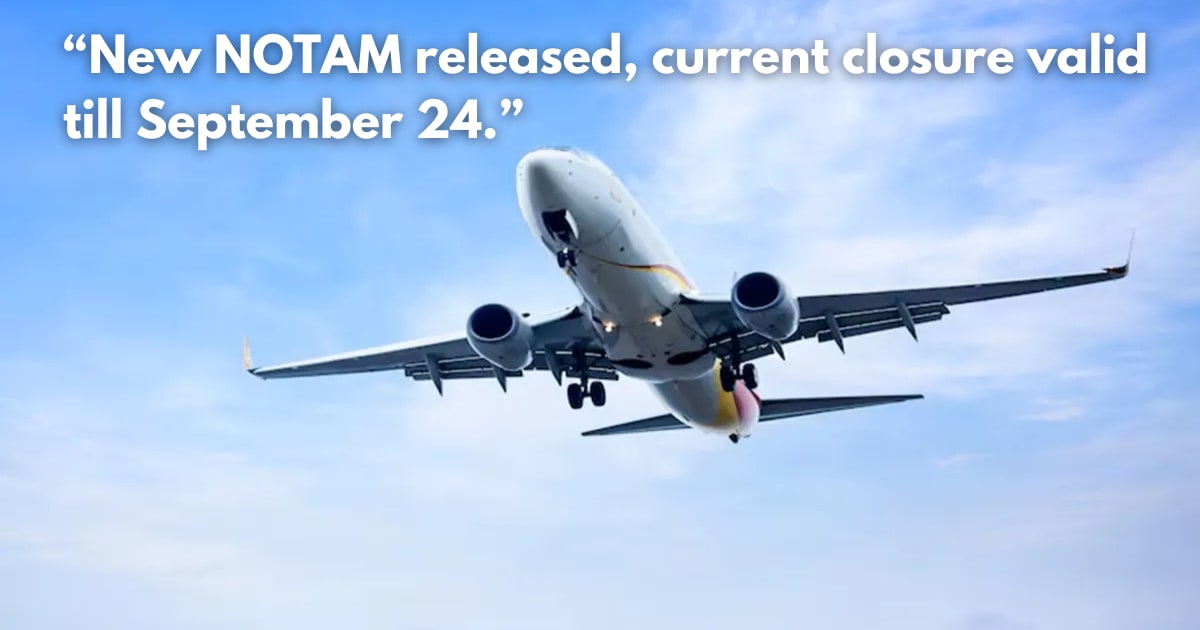
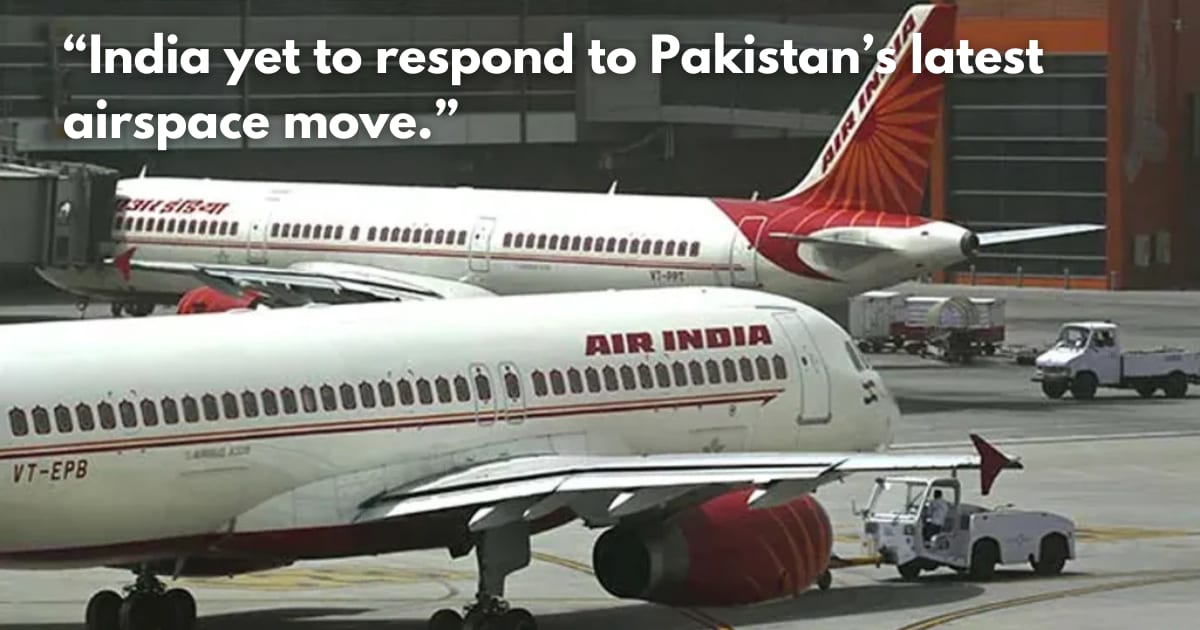


FazTimes Media, New Delhi: Pakistan has once again put restrictions on Indian planes, keeping the airspace closed until the morning of October 24. The sixth consecutive extension of the ban has exacerbated the standoff. It has been going on for months and has caused problems with air travel in the area.
The airspace restrictions began following the April 22 terror attacks in Pahalgam, Kashmir, which resulted in the deaths of 26 people. This continued extension underscores the ongoing tension in the bilateral relationship, according to an aviation analyst from Delhi.
Pakistan’s Position → Pakistan’s Stand
Officials in Islamabad have defended the extension of the airspace closure, describing it as a “security-driven measure” rather than a purely political act. According to Al Jazeera, Pakistan believes that until tensions in Kashmir subside, allowing Indian carriers to operate could pose risks.
A senior Pakistani aviation authority official, speaking anonymously, stated, “The situation in the region remains unstable. For now, extending the closure is the only responsible step.”
Critics, however, argue that Pakistan is using airspace access as a bargaining tool. Political observers note that by repeatedly renewing the ban, Pakistan is expressing disapproval of India’s policies in Kashmir while also applying pressure in an area where India feels an economic squeeze.
India’s Silence and Likely Response → India’s Quiet Response
In New Delhi, the Ministry of Civil Aviation has not yet issued a directive. However, officials confirmed that India usually mirrors Pakistan’s actions in such cases. “If Islamabad extends, India extends—it has become a cycle,” said a senior government source. While India has refrained from making strong public statements, insiders say the government is aware of the economic and logistical burden on Indian airlines.
Regional and Global Impact → Impact Beyond Borders
“Whenever there is an airspace closure in South Asia, it creates a domino effect,” explained a former Air India route planner. “It impacts schedules in Dubai, Doha, Istanbul, and even as far as London or Singapore.”
According to industry estimates, rerouting through Central Asia or over the Arabian Sea can increase operational expenses by 5–7% per flight, depending on the aircraft and destination.
Lessons from Past Closures → History’s Warnings
After the Balakot airstrikes in 2019, Pakistan shut its skies to Indian aircraft for nearly five months. The aviation industry at the time reported losses of hundreds of crores of rupees, both to Indian airlines and to the broader travel sector. “History shows that extended airspace closures benefit no one. Airlines bleed money, passengers suffer, and bilateral relations grow even colder,” observed a political analyst in Hyderabad.
Broader Political Undercurrents → Politics Beneath the Surface
The repeated delays in opening the airspace come when India and Pakistan are still having a lot of tension, especially after some violent events in Jammu and Kashmir. Experts say that this airspace closure is a small but meaningful way that political fights are affecting things like trade, transportation, and everyday interactions between people.
Some people think the move is connected to important political events happening in Pakistan. “Politics at home often shapes decisions about foreign relations. Being tough on India can be popular with some groups,” said a journalist from Karachi.
Passenger Stories: Voices from the Ground → Passengers Speak Out
For regular travellers, the closure is more than just a political issue—it directly impacts their lives. Due to the rerouting, travel time has increased to about 12 hours. That’s two extra hours and a higher cost. It’s exhausting.
Priya Reddy, a student going to Toronto for college, explained that her ticket was nearly ₹20,000 more than it was last year.
“My family had to cut back on other expenses. We’re paying for politics in the skies,” she said.
Aviation Industry’s Plea → Airlines Raise Alarm
Airlines have been quietly asking both countries to rethink this situation. Those in the industry say that, although security is important, aviation should not be used as a tool for political arguments because it plays a big role in the economy and in how people move around.
The International Air Transport Association (IATA) has also raised concerns that ongoing closures could harm how well South Asia connects with the rest of the world. “Open skies help everyone; closed skies hurt everyone,” said an IATA representative in a recent meeting.
Looking Ahead → The Road Ahead
The next review is set for October 24, unless more delays are announced. Experts think the situation won't improve before then because New Delhi and Islamabad aren't talking. Some experts think that pressure from outside sources, such as major Gulf airlines or international aviation groups, could eventually make both countries change their minds. Until then, travellers and airlines will continue to deal with longer routes and higher costs.
Our primary goals at FazTimes Media are to be accurate and confident and adhere to the highest journalistic standards. We check every news story we share against several trustworthy and separate sources to ensure its accuracy.
We have reviewed this report, along with articles from major news outlets worldwide, including BBC News, Reuters, Bloomberg, Al Jazeera, NDTV, The Economic Times, and The Indian Express.
We want to keep the highest standards in global journalism so that our readers can trust the information they acquire.
Link:
https://www.faztimesmedia.com/viewpost/pakistan-extends-airspace-closure-for-indian-flights-until-october-24


Discussion0
Join the conversation on this story
Loading comments...