
Rains to Continue in Oman Until August 21; Weather Alert Issued


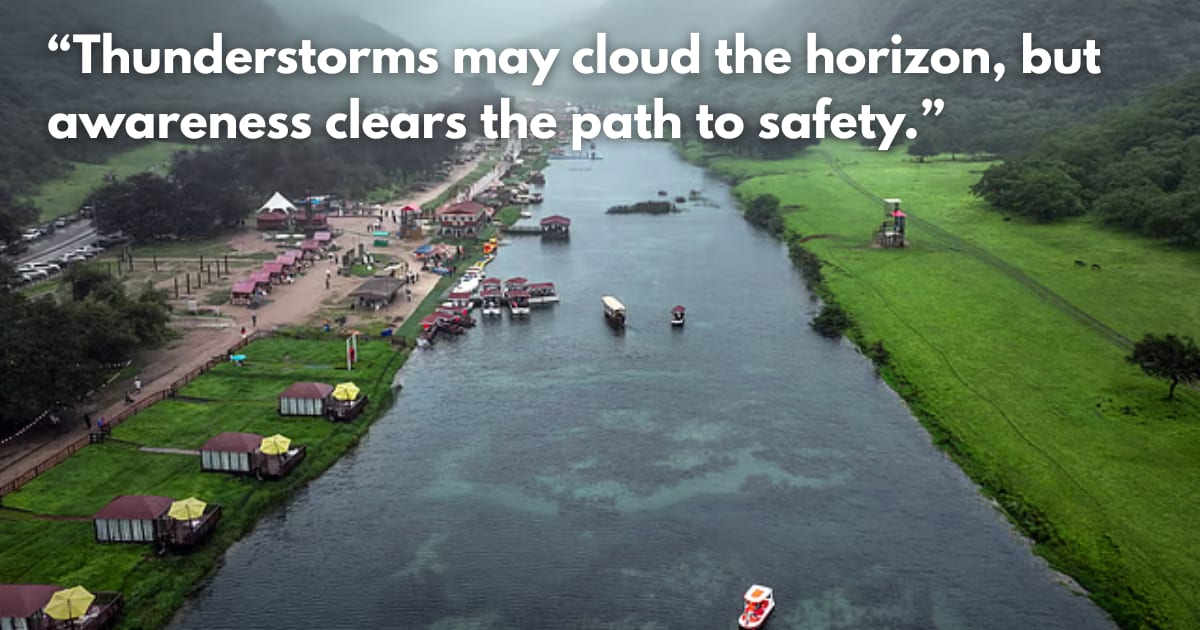
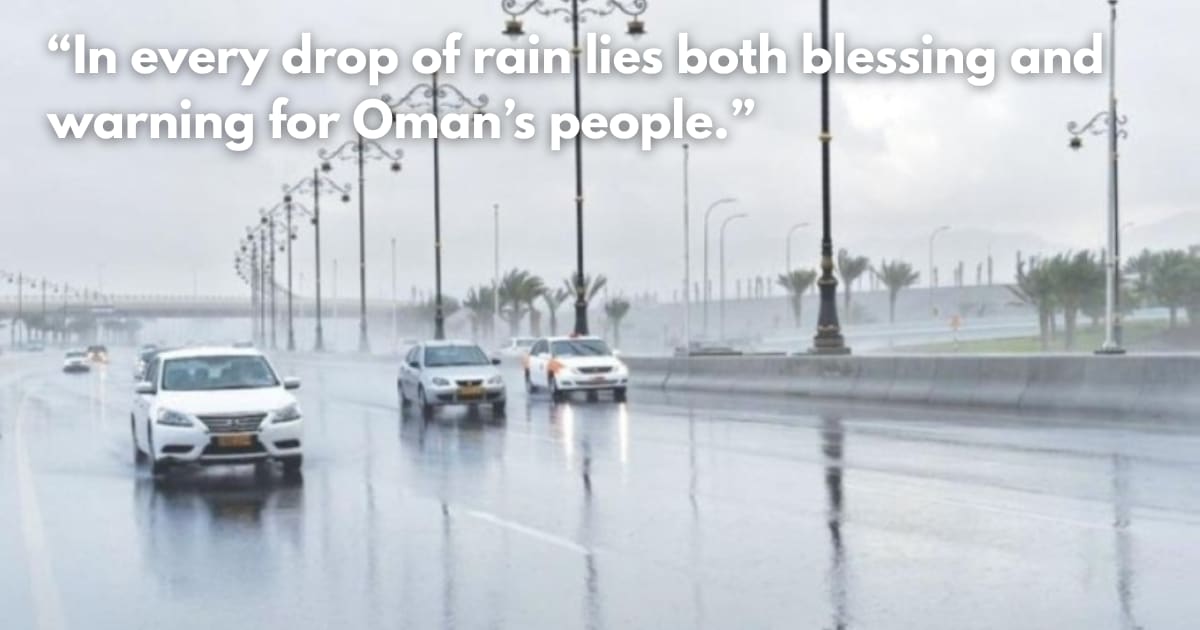
FazTimes Media, Muscat, August 18, 2025 – Oman is currently experiencing another natural event due to a low-pressure weather system lingering over the country, which is causing heavy rain, thunderstorms, and rough seas. The Civil Aviation Authority (CAA) has said this weather will continue until August 21, and there are worries about flooding, strong winds, and travel issues in several areas of the country.
In its official update, the CAA said the weather problem started from a low-pressure area in the upper atmosphere, which brought in thick clouds over most parts of Oman. The statement said that cloud movement and unstable air are expected to be the main weather features until Thursday, leading to rain in different areas with varying strength.
Heavy Rainfall Has Already Started
Since Sunday night, areas in eastern and southern Oman, including Al Wusta, Dhofar, South Al Sharqiyah, North Al Sharqiyah, and parts of Al Dakhiliyah, have seen moderate to heavy rain, with flash floods in wadis that are putting nearby communities in danger. Videos shared on social media showed large amounts of water flowing quickly through wadis in Dhofar, which temporarily blocked small villages and damaged parts of rural roads.
Al Jazeera reported that sudden rains on Monday afternoon left several cars stuck in low-lying areas of Salalah. Rescue teams helped families get to higher ground. So far, there have been no reports of deaths, but there is increasing damage to property and disruption to everyday life.
Daily Forecasts: What to Expect
The National Multi-Hazard Early Warning Centre has given detailed information for each day of the week:
Monday, August 18: There will be many clouds forming over Al Wusta, Dhofar, and both Sharqiyah regions. Rain is expected to fall between 15 and 35 mm, and thunderstorms will get stronger in the afternoon. There is a high chance of wadis overflowing.
Tuesday to Thursday: Light but stronger rain showers are expected, mainly in Dhofar and Al Wusta, with rain amounts between 25 and 45 mm. Forecasters are warning that there may be flooding in wadis, which could block some rural roads.
Winds and Sea Conditions: Strong downbursts of wind, between 28 and 65 km/h, will hit coastal and desert areas, causing dust storms and reducing visibility. The Arabian Sea and the Sea of Oman will likely have waves up to 4 meters, making fishing and sailing extremely dangerous.
Travel Warnings and Road Safety
The Met Office has also given special travel advice, especially for people driving on the Adam-Thumrait road, which is an important highway linking central and southern Oman. Heavy thunderstorms along with strong dust storms may reduce visibility and make driving unsafe.
Local police have asked drivers to avoid travelling at night when it gets darker and visibility is worse. Additionally, local police are advising heavy vehicles such as trucks and buses to exercise extra caution, particularly on wide, open stretches where the wind is strong.
Government Precautions and Public Safety
To prepare for the long rain, Omani officials are taking steps to reduce risks. Municipalities in Dhofar and Al Wusta have sent out emergency teams with water pumps and heavy machines to clear flooded wadis and help families who are stuck.
The Royal Oman Police (ROP) has advised everyone, including locals and foreigners, not to cross wadis during heavy rain. A spokesperson from ROP warned, “Even if the water looks shallow, wadis can become extremely dangerous in just a few minutes.”
At the same time, fishermen and those who use small boats have been told to stay on land until at least August 22, when sea conditions are expected to be better. As reported by BBC News, the waves on the Arabian Sea can be very dangerous during this time of year, often surprising inexperienced sailors.
Local Impact: Life Disrupted
For many people, the recent rains have brought both relief and worry. Farmers in Dhofar are pleased with the rain because it helps their crops grow, but the heavy downpours have also caused damage to irrigation systems in some villages. Shopkeepers in North Al Sharqiyah said their businesses suffered because people stayed indoors. Transport companies also had problems moving goods to Muscat because of blocked highways.
Abdullah Al Mahrouqi, a shop owner in Ibra, said, “I’ve lived here for 20 years, and these rains are the heaviest we’ve seen in August in a long time. The rain is beneficial for our land, but when wadis flood, everything stops. Children can’t go to school, people can’t travel, and businesses lose money.”
Tourism has also been affected. Numerous individuals who arrived in Salalah for the Khareef (monsoon) festival experienced a change in their plans. Authorities closed some mountain trails and wadis temporarily to prevent accidents.
Regional Weather Patterns
Meteorologists attribute the current weather in Oman to significant changes in the region's climate. The Arabian Peninsula has had strange weather recently, with the summer monsoon moving deeper into Oman and bringing more rain than usual.
According to The Gulf News, experts say these low-pressure weather systems are happening more often because the sea is warming and wind patterns are shifting. This makes Oman more likely to experience extreme rain events that were not common outside of Dhofar’s Khareef season.
Preparedness and Awareness
The CAA has advised individuals to monitor official updates and exercise caution when interpreting information from social media. They said that unverified messages can cause unnecessary fear. “The public should trust official alerts and not share false information,” the advisory said.
Authorities have advised schools in flood-prone areas to adjust their schedules accordingly. To stay safe, private companies are also encouraging their staff to work from home. Local councils in Al Dakhiliyah are receiving assistance from volunteers to distribute food and emergency supplies to families isolated by flooded wadis.
A Reminder of Nature’s Power
Omanis are used to dealing with natural challenges, like cyclones and sudden floods. But every new weather event reminds them how much the country is at risk from climate-related disasters. Although the government has spent a lot on flood barriers and drainage systems, experts say there's still a need for better city planning and disaster preparedness.
As a resident of Dhofar said, “The rain brings us life, but it also tests our patience.”
Conclusion
As Oman faces more rainy days and thunderstorms until August 21, officials are reminding people to stay alert and work together. The main point is to avoid wadis, keep up with updates, and always put safety first over convenience.
Even if the skies clear by the end of the week, the lessons about being ready, understanding climate change, and staying strong as a community will stay with us long after the clouds are gone.
Our primary goals at FazTimes Media are to be accurate and confident and adhere to the highest journalistic standards. We check every news story we share against several trustworthy and separate sources to ensure its accuracy.
We have reviewed this report, along with articles from major news outlets worldwide, including BBC News, Reuters, Bloomberg, Al Jazeera, NDTV, The Economic Times, and The Indian Express.
We want to keep the highest standards in global journalism so that our readers can trust the information they acquire.


Discussion0
Join the conversation on this story
Loading comments...