
Supreme Court Allows Sterilised Strays to Return, Bans Public Feeding

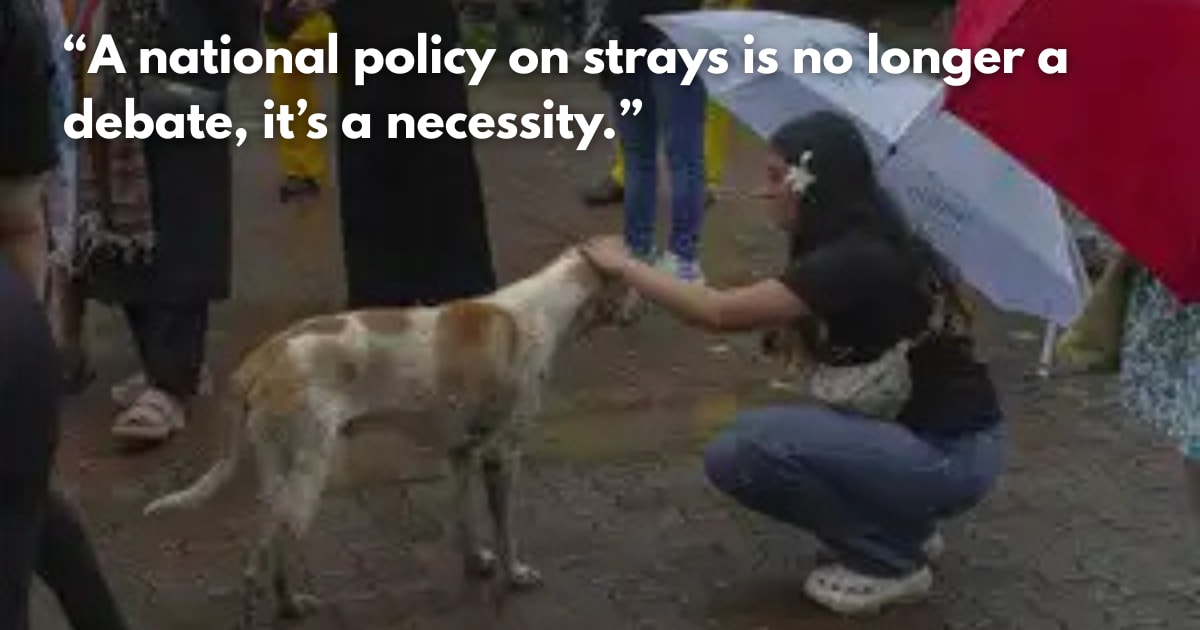


FazTimes Media, New Delhi: In a major update on India's ongoing issue with stray dogs, the Supreme Court on Friday changed its previous decision. The Supreme Court now permits the return of sterilised, vaccinated, and dewormed stray dogs to their original areas of capture. However, the court also banned feeding stray dogs in public and asked municipal authorities to set up special feeding areas in each neighbourhood.
This decision was made by a panel of judges, including Justices Vikram Nath, Sandeep Mehta, and N.V. Anjaria. They also decided to bring all related cases from various courts across the country to the Supreme Court for resolution. This step is meant to create a single, national plan for managing stray dogs, a problem that has been a big topic of discussion in Indian cities for a long time.
Justice Nath said during the judgment:
Local governments must ensure that stray dogs are sterilised, vaccinated, and dewormed. Thereafter, they should be released back to their original area, unless they are aggressive or have rabies. "If they show such behaviour, they must be kept under care and not released."
Why This Decision Matters
This ruling is a change from the Supreme Court’s earlier decision this month. At that time, a different bench of judges, including Justices J.B. Pardiwala and R. Mahadevan, had told city officials in Delhi-NCR to capture all stray dogs within eight weeks and put them in shelters. This move was done because of very worrying numbers: over 37 lakh cases of dog bites and 54 suspected deaths from rabies were reported in 2024 alone, according to government data.
However, the earlier decision faced significant criticism. Animal lovers, celebrities, vets, and regular people said that moving so many dogs all at once was not kind and not possible. Furthermore, city officials in Delhi, Gurugram, and Noida said they didn’t have enough space to suddenly take in thousands of animals.
After receiving numerous complaints, Chief Justice B.R. Gavai referred the matter to a newly formed panel of judges.
This new group has now found a middle ground between keeping people safe and taking care of the dogs.
Blanket Ban on Feeding in Public Places
One of the biggest parts of the court’s decision is the rule against feeding stray dogs in public areas. The court pointed out that letting people feed dogs without control can cause fights, aggression, and more dog bites, especially near schools, hospitals, and residential areas.
To fix this, the court asked local governments to set up special feeding areas in every neighbourhood. These zones would let volunteers and dog lovers give food and water safely. If someone breaks the rule and feeds dogs in public, they might face legal trouble.
This aspect of the decision has sparked significant discussion. Some people are pleased because they feel safer when fewer stray dogs are hanging around parks and housing areas. But animal lovers say that stopping feeding could make it even harder for street dogs to survive, as they already have trouble finding food.
A Highly Controversial Topic
Managing stray dogs has been a big issue in Indian cities for a long time. The WHO says India is responsible for 36% of all rabies deaths worldwide, and most of those are due to dog bites. Cities like Delhi, Bangalore, and Hyderabad have seen more reports of dog attacks, especially on kids and older people.
At the same time, there is a strong group in India that fights against killing or moving stray dogs. They believe that Animal Birth Control (ABC) programmes—like sterilising, vaccinating, and then releasing the dogs—are the only way to manage the stray population properly. Some experts say moving or locking up stray dogs can lead to overcrowding, disease, and cruelty, and also causes more problems by bringing in new dogs to fill the space left behind.
Role of the Government
The central government had suggested building large shelters and increasing sterilisation efforts. However, the central government has yet to implement these plans. Many city governments don’t have enough money, and they often lack the staff and tools needed to handle the scale of the problem.
Lawyers who work for animals told Al Jazeera that the Supreme Court’s new ruling is more realistic because it considers both the safety of people and the rights of animals. However, they cautioned that the order may not receive adequate government support.
Citizens Speak Out
The court’s decision has caused different feelings among people:
People living in secure areas in Noida and Gurugram are pleased about the ban on feeding dogs. They believe it will help stop fights between those who feed dogs and other residents. Those who love animals are worried. “Feeding dogs is not only about being kind but also about keeping the public healthy. When dogs are hungry, they become more aggressive,” explained a volunteer in Delhi who works on sterilising pets.
Parents of little kids feel safer. “We support sterilising dogs, but feeding them in open areas close to schools was dangerous. Having special feeding spots makes sense,” said a mom from South Delhi.
What Happens Next?
The Supreme Court has told local government bodies to:
Make sure they carry out sterilising, vaccinating, and deworming dogs properly.
Mark and keep records of dogs that have been sterilised before you let them go.
Set up feeding areas in each local area within a certain timeframe.
Provide regular reports to the court about how they are following the rules.
Legal experts think this ruling might be a model for a national policy on stray dogs—a need that India has not met for many years, even though it has the most stray dogs in the world.
Global Perspective
India is not the only country dealing with stray dogs. Countries like Thailand, Turkey, and Brazil have had similar problems. For example, some cities in Turkey have a "community dog program," where the local authorities sterilise, tag, and release dogs as well as set up shelters and feeding places.
According to a report by The Guardian, Turkey’s approach has reduced complaints related to dogs while still caring for them. Experts believe India could take inspiration from such examples, using ideas that fit its size and culture.
Final Thoughts
The Supreme Court’s recent decision is a change in the long discussion about stray dogs in India. The ruling tries to keep both people's worries and their rights to dogs in check by balancing sterilisation and vaccination with limits on feeding.
The success of this ruling will depend on how seriously local governments take it, how much money is available, and how much support people give. As one person who cares about animals said, “The court has given us a plan, but it’s up to us—citizens, governments, and NGOs—to follow it. If we don’t, the problems between people and stray dogs will only get worse.”
For now, India is waiting to see if this major court ruling will bring the long-awaited relief that residents need while also ensuring that the millions of stray dogs on the streets are treated with dignity and protection.
Our primary goals at FazTimes Media are to be accurate and confident and adhere to the highest journalistic standards. We check every news story we share against several trustworthy and separate sources to ensure its accuracy.
We have reviewed this report, along with articles from major news outlets worldwide, including BBC News, Reuters, Bloomberg, Al Jazeera, NDTV, The Economic Times, and The Indian Express.
We want to keep the highest standards in global journalism so that our readers can trust the information they acquire.


Discussion0
Join the conversation on this story
Loading comments...