
Texas Senate Approves Trump-Backed Redistricting Bill
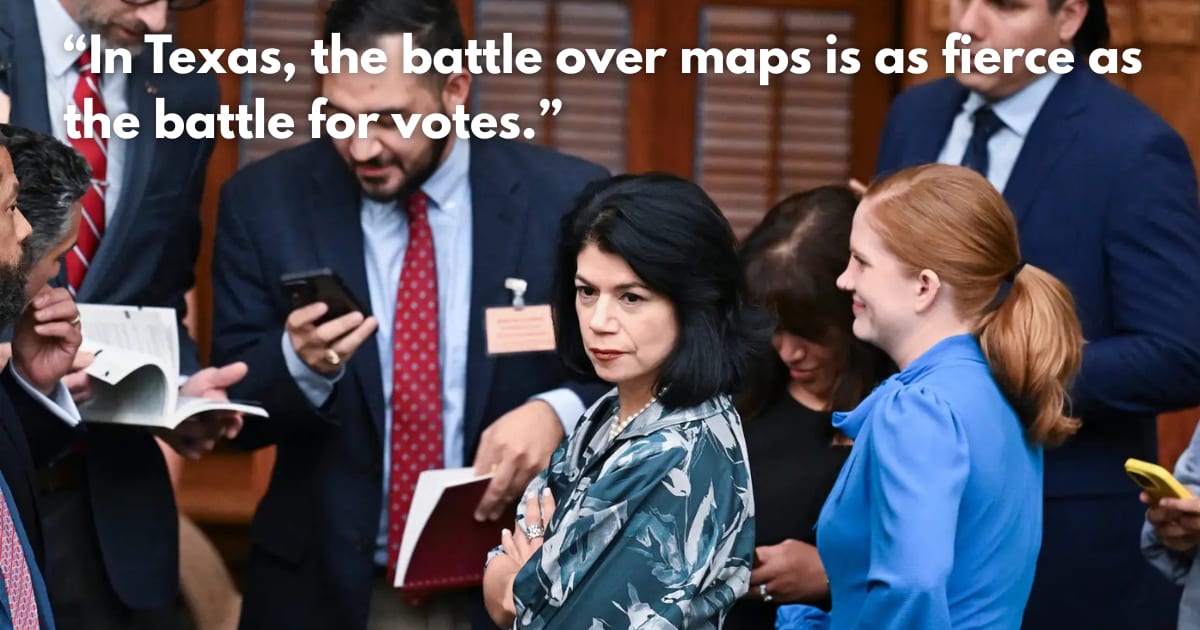
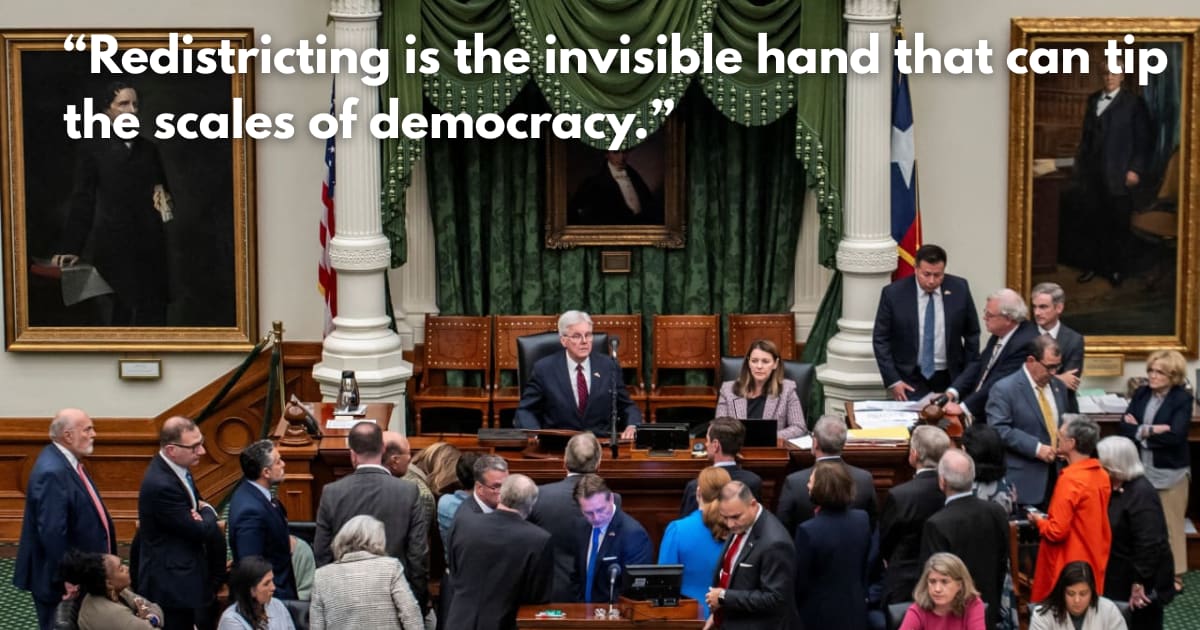
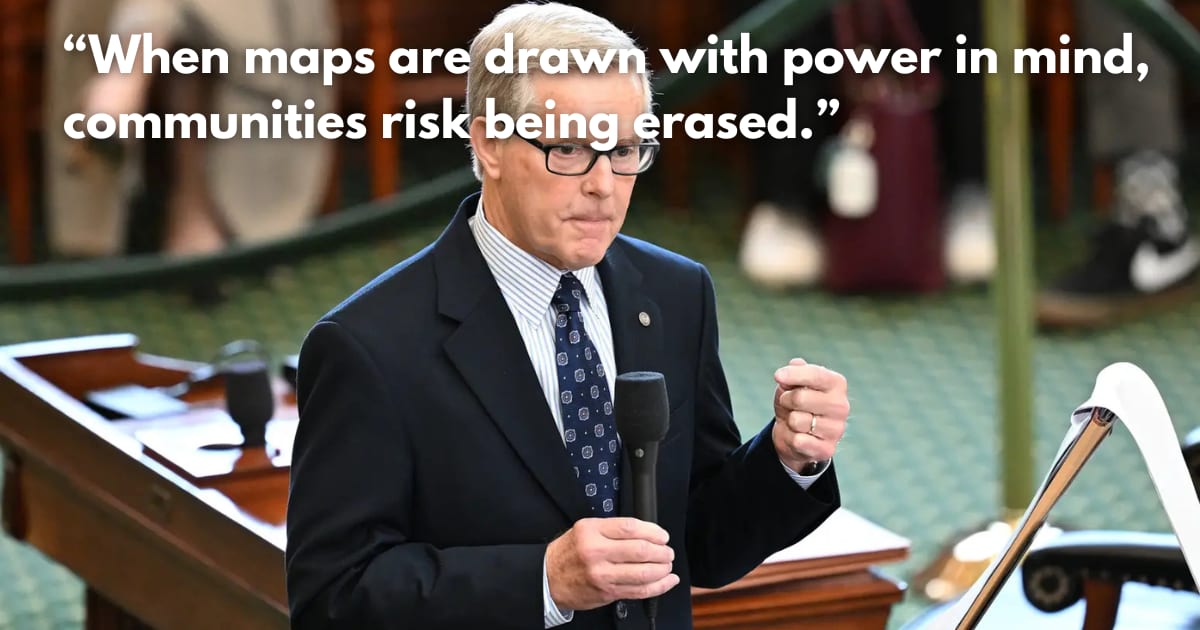
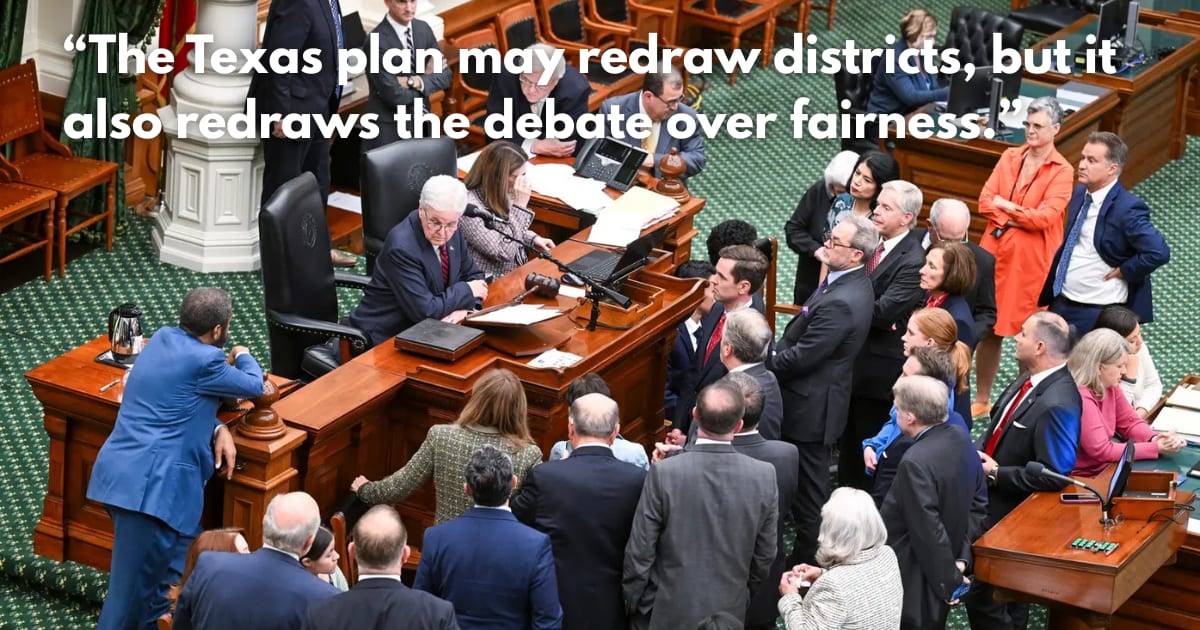

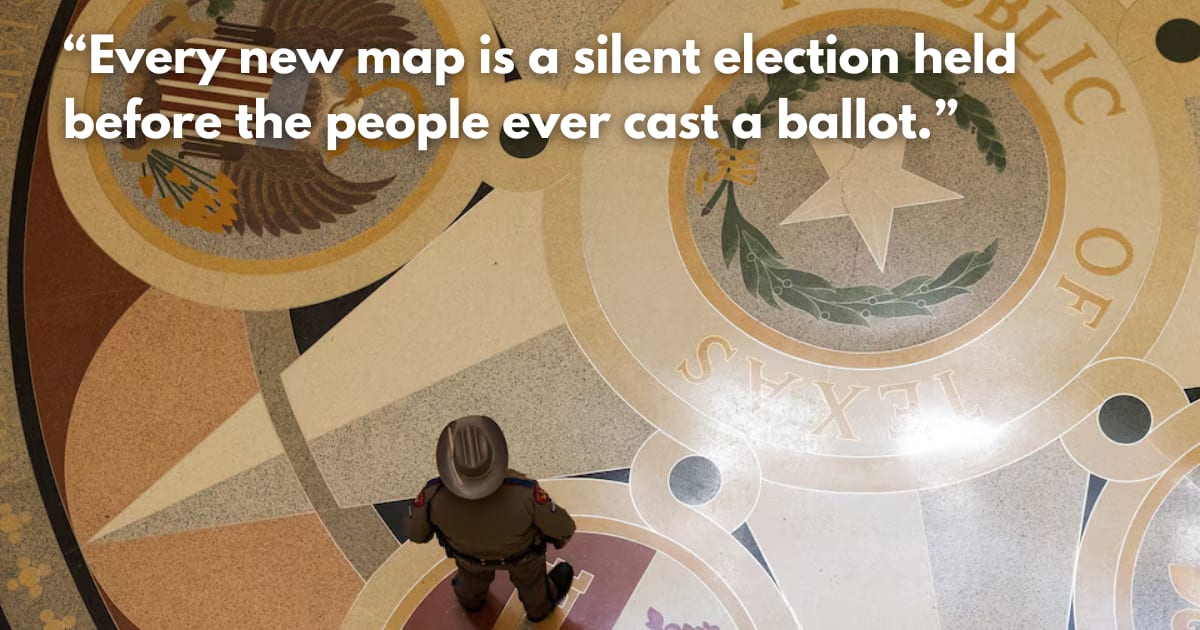
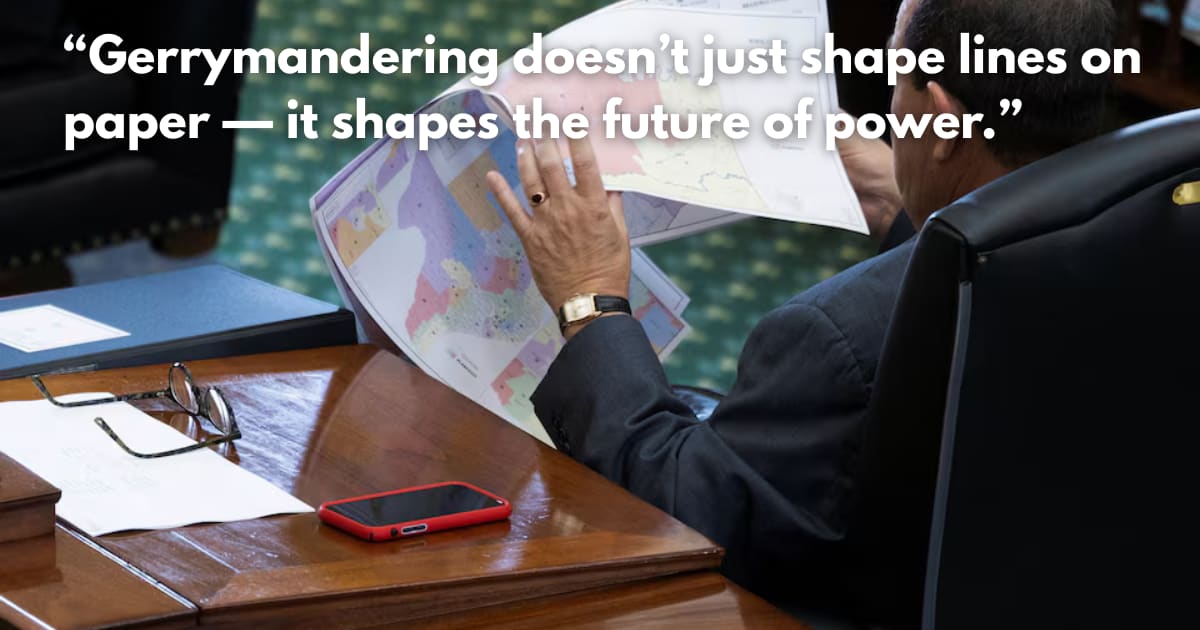
FazTimes Media, Austin, Texas – In a dramatic overnight session, the Texas Senate gave final approval to a controversial redistricting bill early Saturday, making it possible for Governor Greg Abbott to sign it into law. The bill, strongly supported by former U.S. President Donald Trump, is meant to change the state’s congressional map in a way that could turn five Democratic seats into Republican ones, a move that has caused both celebration and anger across the political world.
The bill was passed by the Texas House earlier in the week, so the only thing left is for Governor Abbott to sign it. “The One Big Beautiful Map has passed the Senate and is on its way to my desk, where it will be quickly signed into law,” Abbott said in a statement, showing the excitement of Republican leaders who believe the map is key to keeping their party’s control over the U.S. House of Representatives for next year’s elections.
The late-night vote had its share of drama.
Senator Carol Alvarado, a Democrat from Houston, promised to stop the bill using a long filibuster—a move she made famous in 2021 by speaking for more than 15 hours to delay a similar plan. "This is a clear and straightforward attempt to seize power," Alvarado expressed to reporters following the vote. “It silences communities of colour and goes against the democratic values Texans care about.”
The fight over Texas's new map is more than just a local issue. Republicans are openly planning to use redistricting in the states they control to make sure they keep a strong majority in the U.S. House. The new Texas map is carefully drawn to help the GOP win more seats, even though the state's population has grown mostly because of Hispanic and Black communities, who usually vote for Democrats.
Political experts say winning more seats in Texas could be crucial. “With the close races in Washington, every district makes a difference,” said Mark Jones, a political scientist from Rice University. “Texas has become the main battleground in the race for control of Congress.”
According to BBC News, Republicans are implementing similar redistricting plans in Florida, Georgia, and North Carolina. Conversely, Democratic legislatures in states such as California and Illinois are also striving to create maps that benefit them. California’s legislature recently approved a plan that could add five new Democratic seats, but it still needs voter approval this November.
Democrats in Texas state that they will not simply accept the new map. Civil rights groups, including the NAACP and LULAC, are getting ready to file lawsuits, claiming the new districts are designed to weaken the voting power of Hispanic and Black Texans, breaking the rules of the Voting Rights Act.
Senator Royce West, a Democrat from Dallas, warned of serious problems: “This map will cut the number of African American representatives from Texas in Congress from four to two. That’s moving backward, and it’s not acceptable.”
Republicans, though, say the plan is completely legal. Senator Phil King, who supported the bill, said race had nothing to do with the process. “From my perspective, why would I use race data? Voting history is more accurate and is clearly allowed when drawing maps,” King explained.
Still, many people don’t believe that. According to Al Jazeera, independent studies have found that, even though Texas added almost four million people in the last ten years—95 percent of them people of colour—the new map doesn’t include any new majority-minority districts.
Public Opinion and the Gerrymandering Debate
Regular Texans outside the Capitol are deeply angry about the process of drawing districts. Maria Lopez, a community organiser in San Antonio, said, "It feels like politicians are choosing their voters instead of the voters choosing them."
Many people across the country share this feeling. A recent survey by Reuters/Ipsos showed that most Americans, no matter which side they are on politically, think that gerrymandering—that is, when districts are redrawn to help one party— is bad for democracy.
James Miller, who lives in Austin, said, "We keep hearing that democracy is in trouble. Well, this is one of the reasons. How can we truly believe that our votes matter when we're creating boundaries solely to gain more power?
The fight over redistricting isn’t just happening in Texas. It’s one of the biggest battles in the country for political control. The U.S. Constitution mandates the redrawing of congressional maps every ten years after the census, making this issue of utmost importance.
Republican-controlled state legislatures are attempting to obtain an advantage in states where voters may have second thoughts, according to The Associated Press. They think new district lines could help them stay in power even if the country’s trends change. Conversely, Democrats are resorting to legal action and redrawing their own districts in an attempt to prevent the Republicans from acquiring excessive power.
What Happens Next?
Once the Texas map becomes law, it's expected to face legal challenges right away. It might take months or even years for federal courts to decide if it's legal. In the meantime, candidates will start campaigning under the new district lines, which adds uncertainty and stress to the 2026 election.
The legal fight is likely to reach the U.S. Supreme Court. Recently, the Court has been hesitant to step in on issues related to partisan gerrymandering.
Our primary goals at FazTimes Media are to be accurate and confident and adhere to the highest journalistic standards. We check every news story we share against several trustworthy and separate sources to ensure its accuracy.
We have reviewed this report, along with articles from major news outlets worldwide, including BBC News, Reuters, Bloomberg, Al Jazeera, NDTV, The Economic Times, and The Indian Express.
We want to keep the highest standards in global journalism so that our readers can trust the information they acquire.


Discussion0
Join the conversation on this story
Loading comments...