

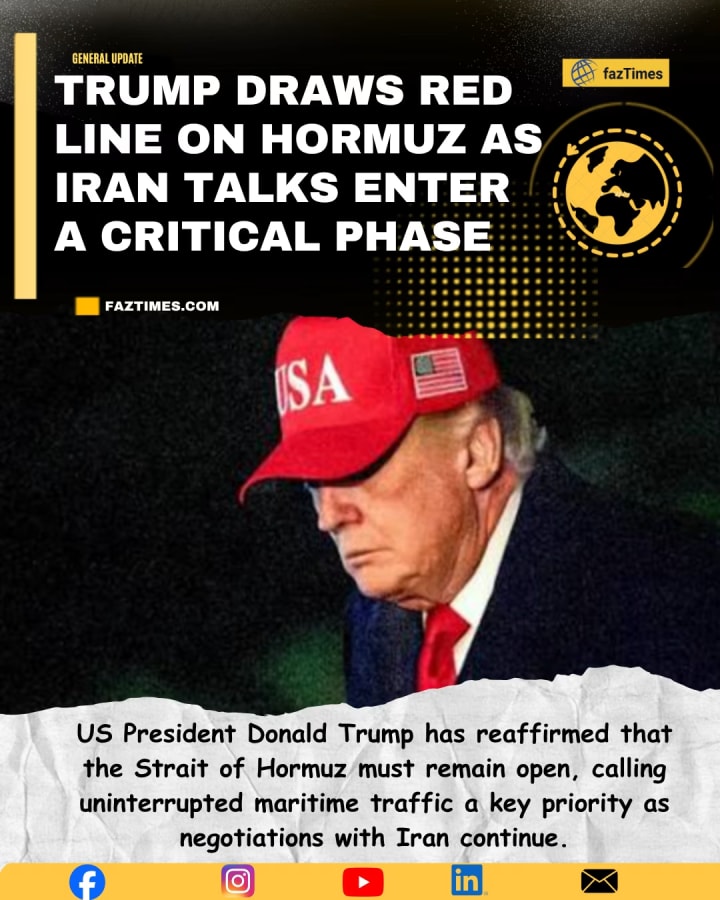



Trump Draws Red Line on Hormuz, Announces New Shipping Charge Amid Iran Talks
Brief Description
As diplomatic talks with Iran continue, US President Donald Trump has taken a tougher stance on the Strait of Hormuz, announcing that the United States is reintroducing a blockade against Iran and plans to impose a 20% reimbursement charge on cargo passing through the strategic waterway. The move underscores Washington's focus on protecting one of the world's busiest energy routes while keeping pressure on Tehran.
"The Strait of Hormuz isn't just a regional waterway, it's a lifeline for global energy markets."
A Tougher US Stance on Hormuz
Trump said the US will not tolerate any attempt to disrupt shipping through the Strait of Hormuz, describing freedom of navigation as essential for global trade and energy security. He also announced plans to bring back a blockade against Iran and seek a 20% reimbursement charge on cargo transiting the waterway, signalling a more assertive approach during ongoing negotiations.
Diplomacy Continues Alongside Pressure
Despite the strong rhetoric, diplomatic engagement with Iran remains active. Reports suggest Trump held lengthy discussions with senior advisers to review the latest developments, indicating that while negotiations continue, the administration is prepared to increase economic and strategic pressure if required.
Why the Strait of Hormuz Matters
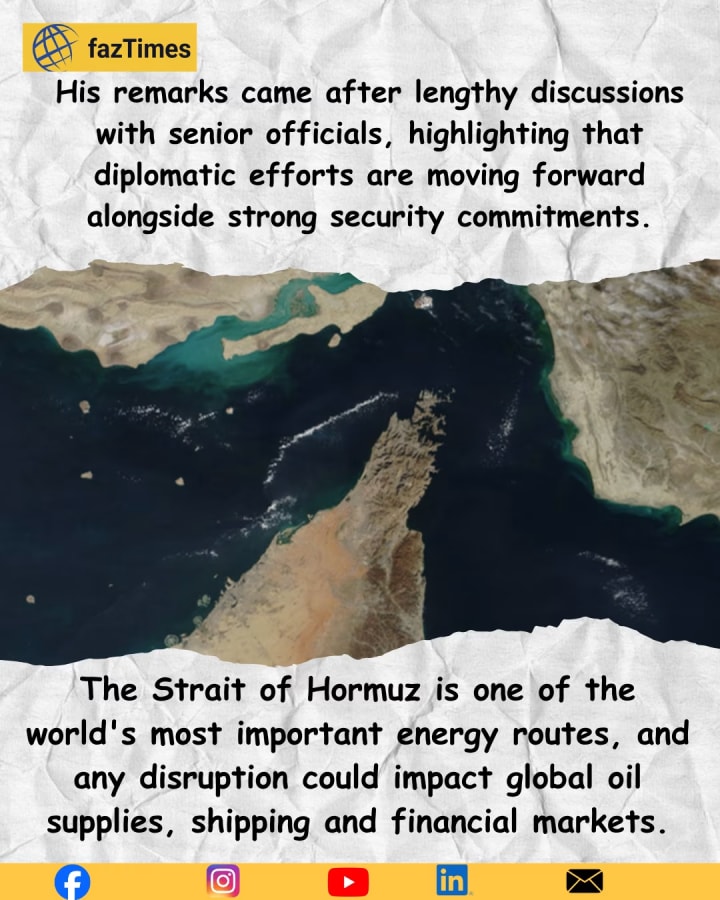
The Strait of Hormuz connects Gulf oil producers with international markets and carries a significant share of the world's crude oil exports. Any disruption or even uncertainty can influence oil prices, shipping costs, supply chains, and investor confidence, making developments in the region closely watched worldwide.
The Bigger Picture
The latest announcement reflects Washington's attempt to balance diplomacy with deterrence. As talks with Iran move into a critical phase, the future of the Strait of Hormuz will remain central to global energy security, international trade, and geopolitical stability.
The Bottom Line
Trump's latest remarks reinforce that the Strait of Hormuz remains a strategic priority for the United States. Whether negotiations succeed or tensions rise further, decisions affecting this vital shipping route could have far-reaching consequences for global markets and energy supplies.
FAQs
Q. Why is the Strait of Hormuz important?
It is one of the world's busiest oil transit routes, carrying a significant share of global crude oil exports and serving as a critical link between Gulf producers and international markets.
Q. What did Trump announce?
Trump said the US would not accept any attempt to disrupt shipping through the Strait of Hormuz. He also announced plans to reintroduce a blockade against Iran and seek a 20% reimbursement charge on cargo passing through the waterway.
Q. Are the US and Iran still negotiating?
Yes. Diplomatic discussions are continuing, although the US has indicated that negotiations will not come at the expense of regional security or maritime stability.
Q. Why does this matter globally?
Any disruption in the Strait of Hormuz can affect oil prices, shipping costs, supply chains, and overall global energy markets.



Discussion0 comments
Join the conversation on this story
Loading comments…