
Trump-Putin Summit Ends Without Ukraine Breakthrough
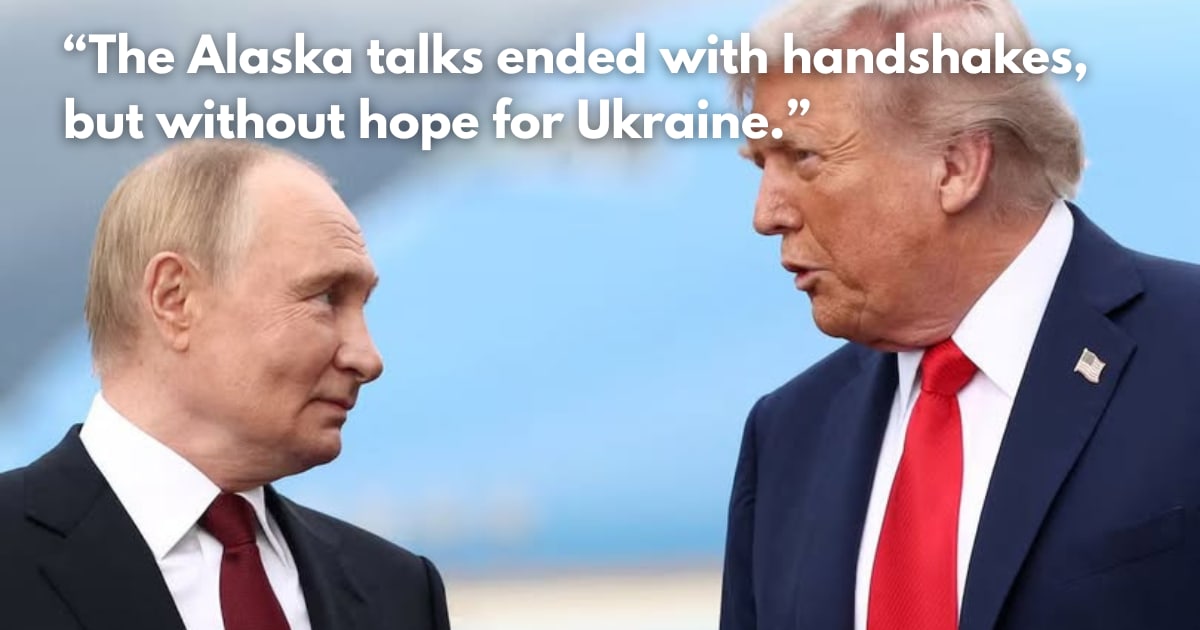
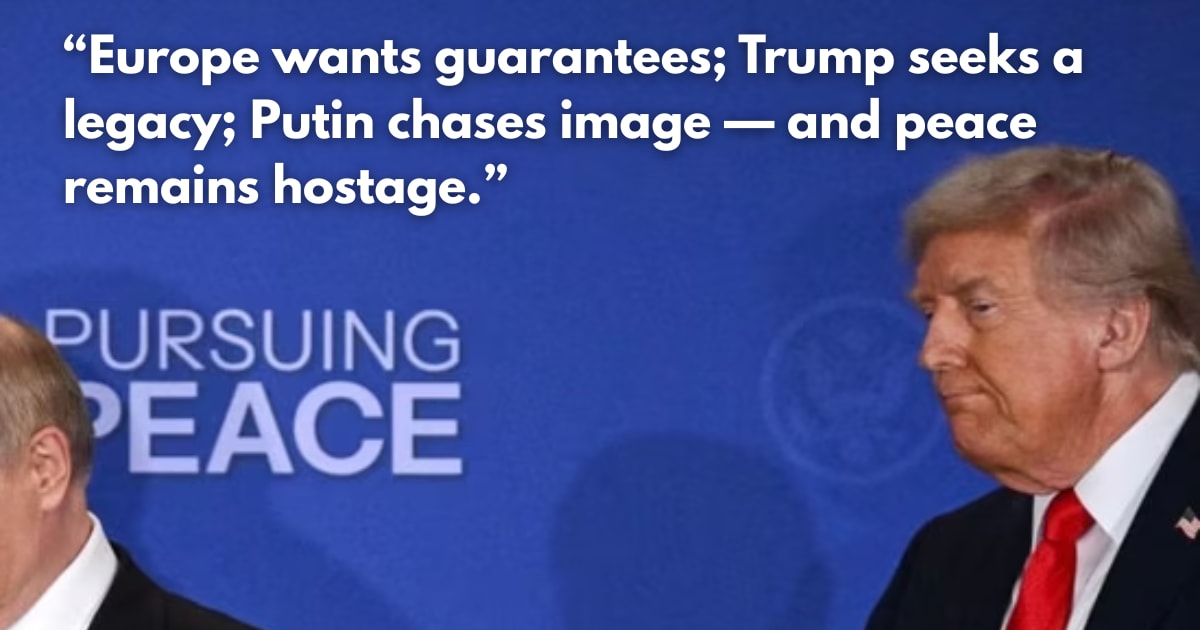

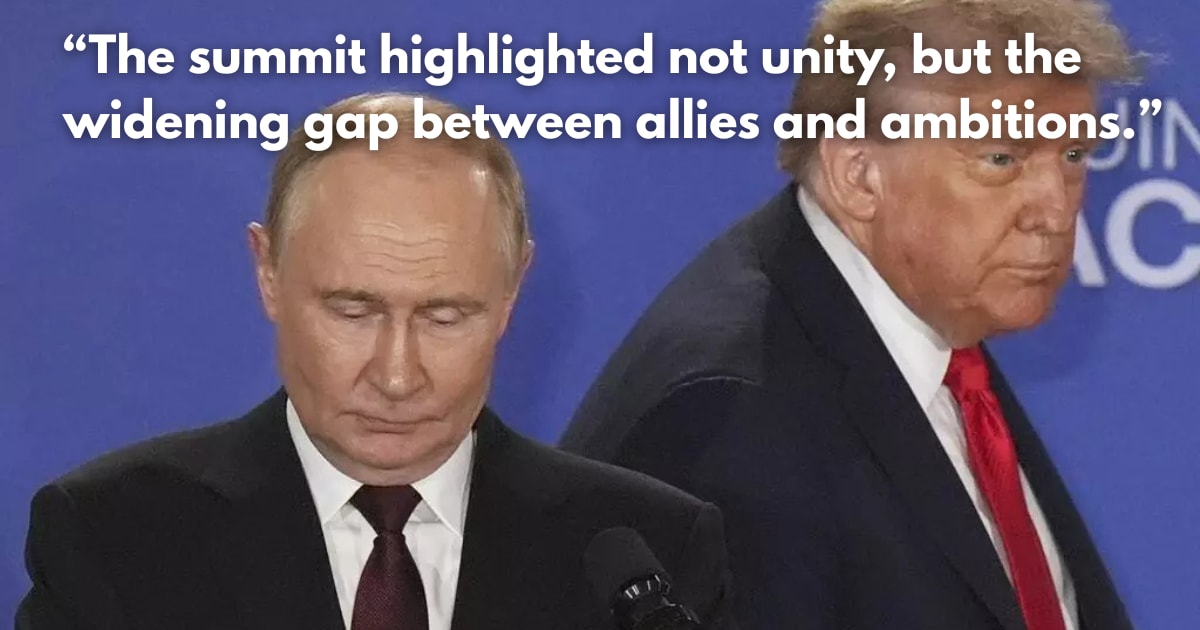
FazTimes Media: The much-anticipated meeting between US President Donald Trump and Russian President Vladimir Putin in Alaska came to an end last Friday, but it didn’t lead to any major progress on the war in Ukraine. For many months, there had been a lot of talk that this direct meeting between the two leaders could help bring peace or at least ease the tensions that have been troubling Europe since Russia started its full invasion of Ukraine in February 2022. However, despite all the media attention, the grand welcome, and the big stage it was given, the results of the meeting have left diplomats, experts, and regular people wondering whether anything meaningful was achieved.
The Context: A War That Changed the World
The war in Ukraine has had a giant impact on how countries relate to each other around the world. It has taken the lives of tens of thousands of people, displaced millions, and changed the way nations trade and obtain their energy. Ukraine is a major exporter of food, including wheat, corn, and sunflower oil, and the war has made it hard for these goods to reach the market, which has made food shortages worse in parts of Africa and the Middle East. At the same time, Western countries have imposed heavy sanctions on Russia’s oil and gas exports, which have thrown global energy markets into chaos and made energy prices go up, forcing nations to change how they get their fuel.
For example, India has continued to buy cheaper Russian crude oil even though it’s against Western sanctions. According to Al Jazeera, this decision has affected global oil prices and shown how different countries are reacting to the war in complicated and sometimes conflicting ways.
With so much at stake and so many costs involved, people hoped that the Trump-Putin summit could at least start a conversation that might lead to future talks.
Trump’s View Before the Summit: Peace, But on What Conditions?
Before he took office, Donald Trump often said the war in Ukraine should never have happened. He usually spoke about Vladimir Putin in a way that was more forgiving than other leaders in Europe, which raised concerns in NATO countries about how strong the US under Trump would be against Russian actions.
Although Trump admitted that European allies have valid security worries, especially with Russia holding areas like Donetsk, Luhansk, Zaporizhia, and Kherson, he also suggested that some kind of agreement might be possible. “Any ceasefire must include strong security promises,” Trump said earlier this year, but he didn’t make it clear whether those promises would mean NATO having a military presence or not.
This uncertainty made many European leaders uneasy, as they worried that Trump might be more interested in reaching a quick deal with Russia than in making sure Ukraine is safe in the long run.
The Alaska Meeting: Symbolism Over Substance
The Alaska summit was expected to be a big moment. The high-level US treatment of a Russian leader was unprecedented since the start of the war in Ukraine. BBC News noted that the way things looked—like handshakes, friendly greetings, and shared press events—stood out, especially with the fighting still going on in Ukraine.
However, the talks ended earlier than expected, and there was no major statement from the meeting.
Diplomats who were close to the talks told Western news outlets that they were “friendly, but not helpful”.
One of the biggest letdowns, as people watched, was that there was no progress on getting Ukrainian President Volodymyr Zelenskyy to join a meeting with Trump and Putin. European leaders had made it clear that without Ukraine at the table, any agreement wouldn’t be valid.
Europe Steps In: A Show of Unity
Right after the Alaska talks ended, leaders from key European countries, including Britain, France, Germany, and Italy, met in Washington with NATO Chief Jens Stoltenberg and European Commission Head Ursula von der Leyen. Their goal was to stop any agreement between the US and Russia that might hurt Ukraine’s independence.
Reuters reported that Zelenskyy also joined the talks, saying Kyiv would not accept any peace plan that lets Russian forces control parts of Ukraine. “We are fighting not only for Ukraine’s freedom but for Europe’s security as a whole,” he said.
European leaders, worried about Trump’s unpredictable behaviour, urged him not to yield to Russia’s demands. Their concern grew after reports that Trump had privately suggested recognising parts of eastern Ukraine as “Russian areas of influence”.
Putin’s Position: Hard Lines, Few Concessions
Putin made it clear he wasn’t going to back down. After the Alaska meeting, he told reporters that a meeting with Zelenskyy would only happen on a “technical level”, not at the top. He also said that NATO’s military presence in Eastern Europe was not acceptable in any peace plan.
“As long as NATO forces are near our borders, Russia can’t feel safe,” Putin said. His comments reflected long-held Russian concerns that NATO’s expansion is a threat to Moscow’s influence.
Trump’s Priorities: Legacy and Image
Experts believe Trump’s main reason for pushing forward with the Ukraine issue might not be about making the country stable but about his political legacy. One European diplomat, who spoke secretly to The Guardian, said, “Trump wants a Nobel Peace Prize. He’s looking for the image of being the person who ended the war, even if the agreement isn’t strong or fair.”
Putin also had his reasons. After being pushed aside by most Western countries, just showing up in Alaska as a guest of the U.S. president was a win for him. A Russian expert said, “For Putin, being welcomed in America tells his people at home that Russia isn’t alone and that the U.S. still needs Russia.”
Humanitarian Crisis Deepens
While leaders gave speeches and made symbolic moves, the situation for people in Ukraine got worse. The United Nations says millions are in desperate need of food, medical care, and safe places to live. Russian attacks have destroyed homes, schools, and hospitals, and Ukrainian efforts to take back land have not been successful.
Al Jazeera reports that this latest winter has been brutal. Power outages and broken heating systems have put thousands of families at risk of freezing. For Ukrainians, the delays in distant talks mean that they continue to suffer in their cities.
What Next?
The Alaska meeting didn’t produce real results, and that brings up serious questions. Is it possible for Trump, with his distinctive approach to diplomacy, to effectively bring about peace? Can Putin be trusted to keep any promises, especially after breaking past agreements? And most importantly, how much longer can Ukraine keep fighting without more help from the international community?
Currently, the war is continuing, with no clear end in sight. Both sides are still locked in their positions, and the diplomatic talks, whether in Alaska or Washington, feel very far from the destruction in Kyiv, Kharkiv, and Mariupol.
Conclusion: A Missed Opportunity
The Trump-Putin meeting in Alaska probably won’t be remembered for what happened, but more for how it looked. People around the world were hoping it would bring some peace, but instead, it showed just how far apart the main leaders are. Trump wanted quick wins, Putin wasn’t willing to give in, and Europe kept pushing for Ukraine’s independence. All of that left the war the same as it was before—still ongoing, still full of violence, and still causing a lot of suffering.
"This was a meeting about two leaders trying to build their legacies, not about ending the war," a European official bluntly told BBC News.
Real progress can’t happen until there are real agreements and Ukraine’s needs are at the heart of the talks. Without that, peace will keep slipping away, and the people of Ukraine will keep suffering the most.
Our primary goals at FazTimes Media are to be accurate and confident and adhere to the highest journalistic standards. We check every news story we share against several trustworthy and separate sources to ensure its accuracy.
We have reviewed this report, along with articles from major news outlets worldwide, including BBC News, Reuters, Bloomberg, Al Jazeera, NDTV, The Economic Times, and The Indian Express.
We want to keep the highest standards in global journalism so that our readers can trust the information they acquire.


Discussion0
Join the conversation on this story
Loading comments...