
Trump Rules Out Tariff Talks with India Amid 50% Hike & Russia Oil Row
FazTimes media: New York, August 8 – The already tight trade relationship between the United States and India has become even more complicated this week. US President Donald Trump has made it clear there won’t be any more talks about tariffs. This decision comes just weeks before a planned increase in import duties, which will go up to a high of 50% by August 27.
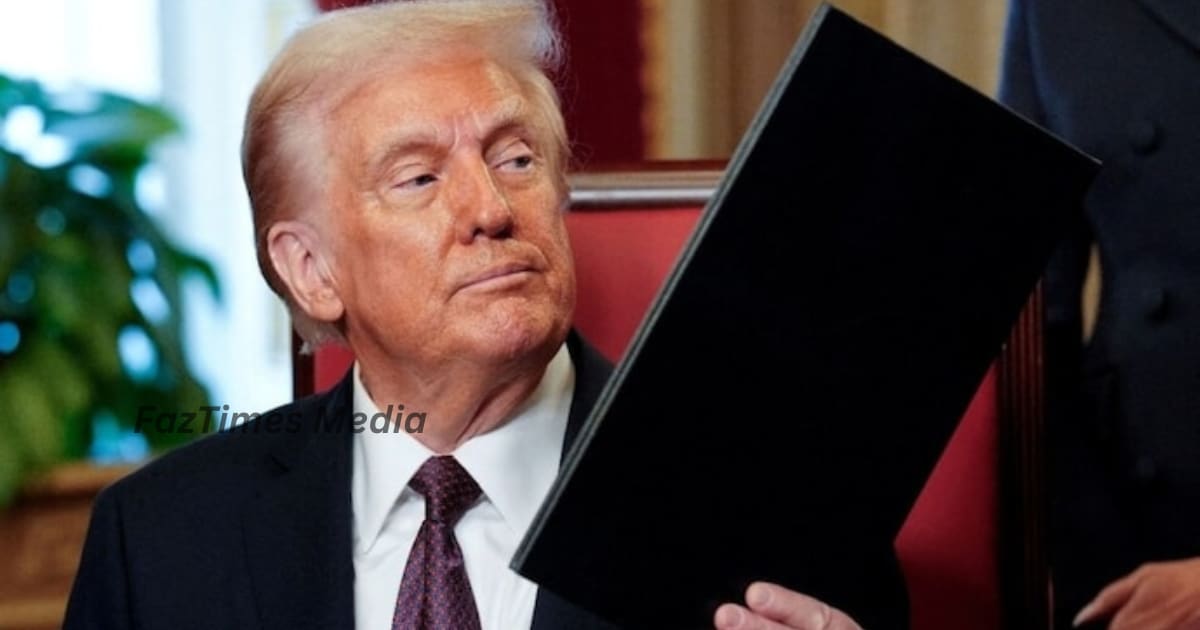
When asked if he expected to start new talks with India, President Trump was clear. “No, not until we get it resolved,” he said. He didn’t explain what “resolved” meant, so it’s not clear whether it refers to the Ukraine War or the trade issues with India.
This lack of clarity has left experts unsure. Al Jazeera reports that the new tariffs seem to be part of broader US sanctions aimed at lowering Russia’s oil income. India, which is the second-largest buyer of Russian oil, has now come under Washington’s attention.
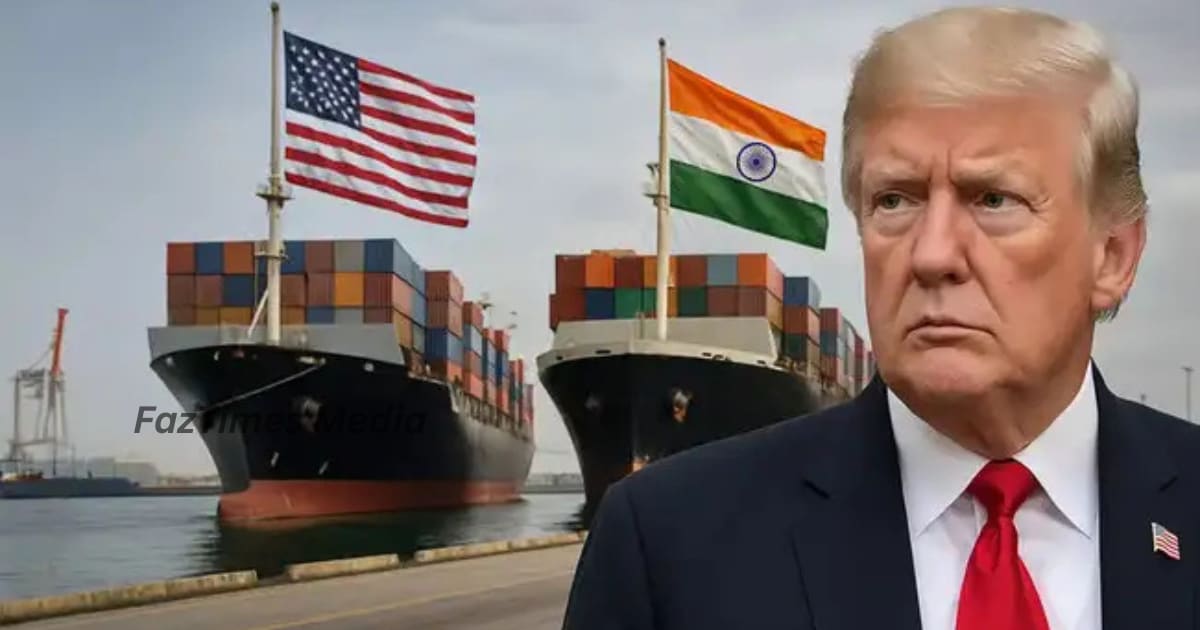
Last week, the White House announced a new 25% tax on products from India, saying it's because India keeps bringing in oil from Russia. When you add this to the taxes already in place, the total tax on Indian goods will be 50% by the end of the month.
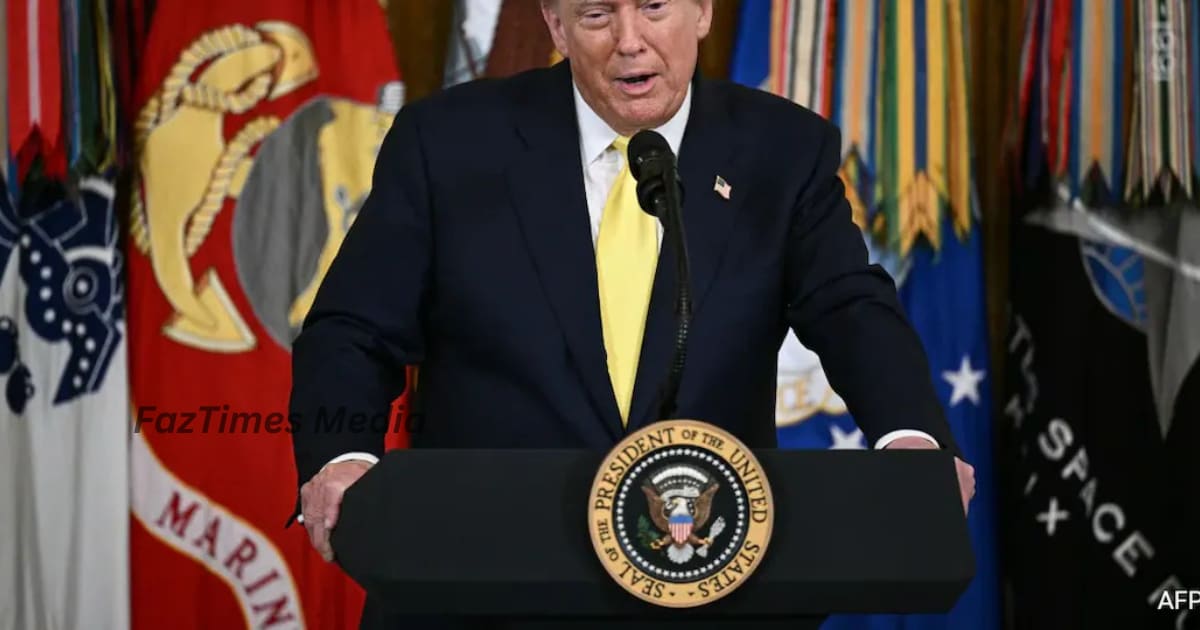
This action is part of a bigger plan to push Russia to stop the fighting in Ukraine. On Friday, Trump said, “It’s up to him (Putin),” meaning the Russian leader. “We’ll see what he has to say.”
However, the disagreement with India isn’t just about oil. BBC News says that talks between the US and India about trade fell through because the US wanted more access to India’s farming and dairy industries. Until recently, both sides were hopeful about making a deal work.
The Tariff Timeline
At first, Trump gave Russia 50 days to stop fighting or else face more sanctions. That time limit was then cut down to just 12 days. On Wednesday, the president announced a 25% tax on goods from India. This tax won’t start until August 27, but it’s already affecting markets around the world.
For India, the decision is “terrible.” In an official statement, New Delhi said that “many other countries” are doing similar trade with Russia “for their national interests” and aren’t being punished the same way.
The Moscow Factor
Despite the tough trade policies, there are signs that the talks between Washington and Moscow are still going on. Trump’s special envoy, Steve Witcoff, spent three hours speaking with Russian President Vladimir Putin on Wednesday. “We had some good talks with President Putin,” Trump said later when speaking to reporters. He also said there is “a decent chance” they might be close to ending the fighting.
The Kremlin said both leaders want to meet soon, and there are rumors that a big meeting could happen as early as next week. “They (the Russian leaders) want to meet with me, and I’ll do whatever I can to stop the killing,” Trump said.
At home, the economic effects are starting to show. US and Indian companies are getting ready for changes. If tariffs go up, it could affect many industries, like clothing and machinery. Indian businesses that sell to the US worry they will be less competitive there, and US buyers say prices might go up for people back home.
The Hindu Business Line reports that trade between India and the US has been increasing, reaching almost $200 billion in the last few years. However, the potential imposition of a 50% tariff could halt this growth and disrupt the flow of goods.
Looking Ahead
Experts say the coming weeks are crucial. If Washington and Moscow make progress on Ukraine, it might help reduce pressure on New Delhi. But if the conflict continues, India might have to choose whether to change its oil imports or deal with long-term trade problems.
According to BBC News, both sides still have space to talk, but there isn’t enough political willingness to make things happen. Currently, the US-India trade dispute adds more difficulty to an already unstable global trade situation. This article is part of FazTimes’ ongoing coverage of global trade and diplomacy.
Our main goals at FazTimes media are to be accurate, confident, and follow excellent journalistic standards. We check every news story we share with a number of trustworthy and separate sources to make sure it's true.
We have read this report along with articles from major news outlets throughout the world, including BBC News, Reuters, Bloomberg, Al Jazeera, NDTV, The Economic Times, and The Indian Express.
We want to keep the highest standards in global journalism so that our readers can trust the information they acquire.


Discussion0
Join the conversation on this story
Loading comments...