
Trump Unhappy with India for Ignoring Ceasefire Claims, Says Ex-Envoy


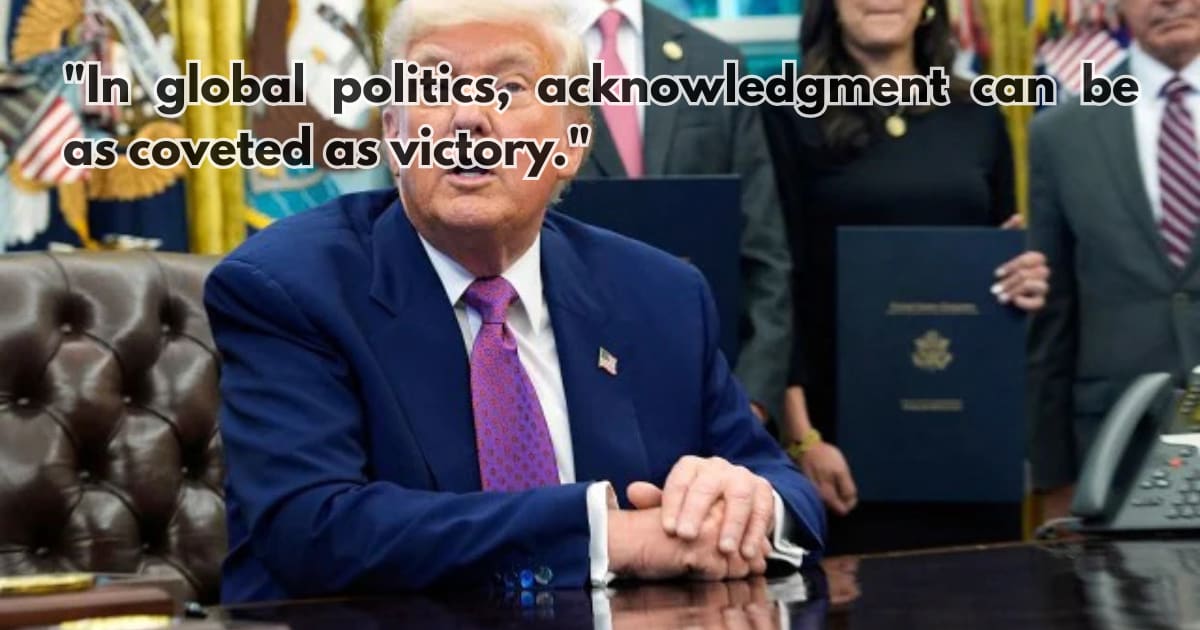
FazTimes Media, New Delhi: A former Indian diplomat has explained the real reasons behind former U.S. President Donald Trump’s decision to put heavy tariffs on India—reasons that are not just about trade disagreements. According to NDTV, Vikas Swarup, India’s former High Commissioner to Canada, thinks Trump was upset for two main reasons: India refused to accept his claim of helping bring peace between India and Pakistan, and he doubted India’s role in the BRICS group.
Swarup’s comments give a rare look at the political factors that shaped U.S. trade policies toward India during Trump’s time in office.
The Dispute Over Ceasefire
The tension between the two countries started with what Trump called his “peace efforts” during a serious conflict between India and Pakistan, known as Operation Sindoor. Swarup says Trump has said this was his doing, nearly 30 times, to stop a nuclear conflict in the region.
But India rejected this claim, saying there was no outside help in the ceasefire talks. They said the peace was reached through direct talks between the military officials in charge of operations in both countries, which Pakistan had asked for.
According to BBC News, Pakistan not only accepted Trump's role but also proposed that he should receive the Nobel Peace Prize. The significant difference in the reactions of the two countries is believed to have genuinely upset Trump.
BRICS: The Bigger Geopolitical Picture
Swarup shared another reason behind Trump’s frustration: India’s membership in BRICS — a group of countries including Brazil, Russia, India, China, and South Africa. Trump reportedly saw BRICS as an “anti-American alliance” trying to create an alternative to the U.S. dollar, which could weaken America’s influence in global finance. In his view, India's joining this group went against U.S. interests.
“He thinks India shouldn’t be part of BRICS,” Swarup said, highlighting the difference in how the two countries see international alliances.
Tariffs as Pressure Tactics
Despite the common perception of trade disputes as solely economic, Swarup posited that Trump's actions also served as a means of exerting pressure on India. By raising tariffs on Indian goods, the U.S. aimed to push New Delhi into agreeing to a trade deal that would allow American agricultural products, like dairy and genetically modified crops, into India’s market.
India has so far refused these demands, citing worries about local farmers, the safety of food products, and public health. “This is part of a bigger plan to get India to make trade concessions, while also showing other countries—especially Russia—that the U.S. can use economic pressure when political cooperation isn’t there,” Swarup explained.
Pakistan, the U.S., and Tactical Diplomacy
When asked about the U.S.-Pakistan relationship, Swarup said it was short-term and based more on money than long-term trust. According to Al Jazeera, the U.S. has often changed its approach toward Pakistan based on what it needs at the moment—whether it’s helping with counter-terrorism or playing a role in South Asia. This kind of deals-focused approach is different from India’s more stable and long-term foreign policy in the region.
Swarup noted that this difference in how India and Pakistan reacted was important for Trump, who cares a lot about getting public praise for his diplomatic efforts.
Swarup also posited a connection between Trump's actions against India and his ongoing struggles with Russia. He couldn’t get Putin to agree to a ceasefire deal proposed by Zelenskyy. India's close relationship with Russia, especially in defence, may have made Trump more determined to apply economic pressure.
By imposing tariffs on India, Trump might have wanted to show Russia that even close allies can face economic consequences from the U.S.
India, however, stayed strong in its decision not to let in large amounts of American farm products, especially those with genetically modified technology. Officials in India have always stressed food safety, protecting farmers, and keeping the domestic market stable as must-haves.
Trade specialists say India’s stance also shows its wider economic approach — trying to balance global connections with keeping certain areas safe from outside influence.
Lessons for the Future of Indo-U.S. Relations
This event shows that relations between the two countries are based on how people and leaders view each other, not just official deals. In this case, Trump believed he was helping make peace, but at the same time, he had doubts about India's alliances with other countries. These circumstances made trade discussions more complicated.
For India, the big challenge will be to keep control over its own decisions while building a stronger connection with the U.S.
Conclusion: Beyond Tariffs and Trade
Even though tariffs are often the main topic in the news, the story behind Trump’s actions against India shows more than just trade. As India continues to manage its relationships with the U.S. and other countries, this kind of situation reminds everyone that diplomacy isn’t just about one thing.
Our primary goals at FazTimes Media are to be accurate and confident and adhere to the highest journalistic standards. We check every news story we share against several trustworthy and separate sources to ensure its accuracy.
We have reviewed this report, along with articles from major news outlets worldwide, including BBC News, Reuters, Bloomberg, Al Jazeera, NDTV, The Economic Times, and The Indian Express.
We want to keep the highest standards in global journalism so that our readers can trust the information they acquire.


Discussion0
Join the conversation on this story
Loading comments...