
UAE Heatwave: As summer peaks, Al Ain experiences searing temperatures close to 50°C.
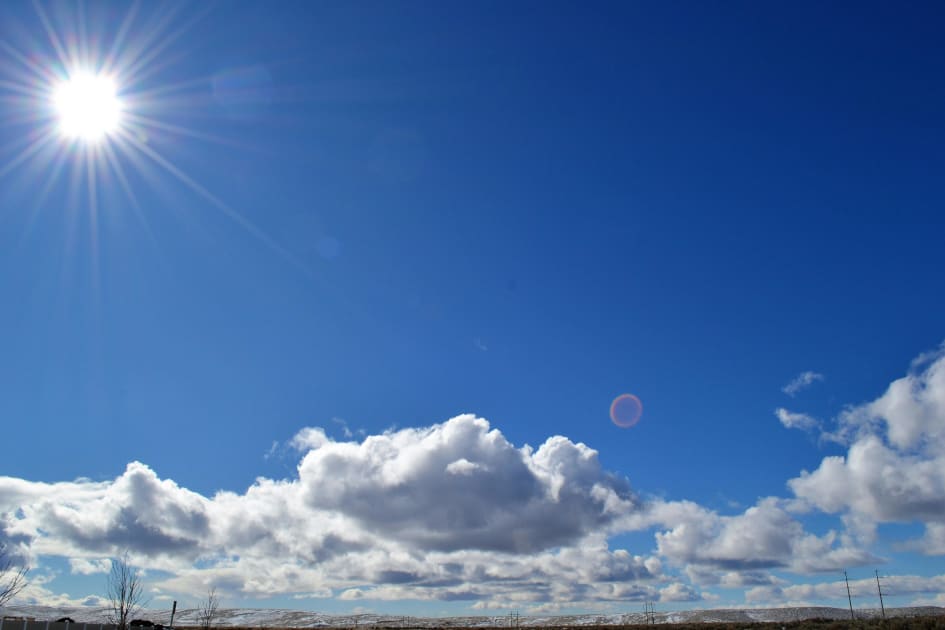
fazTimes media: Dubai— In case you’ve ventured outside as of late in the UAE, chances are you’ve felt it—the intense, dry warmth protecting the entire kingdom. Over the past few days, the UAE has entered the stature of the summer season, with temperatures rising perilously near the 50°C mark, making the standard of living harder and likely dangerous for inhabitants and visitors alike.
On Sunday, the National Center of Meteorology (NCM) specified that the temperature in Sweihan, Al Ain, peaked at a rankling 49.1°C at around 12:30 PM, making it one of the most sultry days of the year to this point. For contrast, it is greater than a regular summer season day in numerous elements of the arena’s deserts and competitors’ temperatures seen in parts of Death Valley, California—one of the most sultry places on Earth.
As weather concerns expand all-inclusively, local human rights here are, as of now, adjusting to what seems to be a contemporary usual of great warm temperatures.
Why Is There a Warm Surge?
Meteorologists factor in a mixture of everyday climate patterns, a loss of cloud cover, and dry mainland winds for the current heatwave gripping the state. According to the NCM, internal districts will continue to see temperatures between 44°C and 48°C, whereas coastal towns, along with Dubai, Abu Dhabi, and Sharjah, can assume highs between 40°C and 45°C.
Mountain districts like Jebel Jais and Hatta will stay reasonably cooler, however, still attain 35°C to 40°C; that is considered warm by most global measures. Adding to the inconvenience, light to direct winds offer small respite, and stickiness stays, making it feel dry but increasing the number of hot days. Whereas this could be attributed to the sticky feeling recognizable in tropical climates, it increases the risk of a lack of hydration and heat fatigue.
Warning to Residents and Outdoor Workers
Well-being experts and disaster administrations are encouraging the population to take protection measures, especially during peak daylight hours between eleven AM and 4 PM. A drawn-out exposure to coordinate daylight hours amid these hours can lead to heatstroke, loss of hydration, and different heat-related diseases.
The Service of Wellbeing and Avoidance (MoHAP) has issued guidelines prompting people to:
Drink lots of water often, certainly, in case you are not feeling parched.
Wear unfastened, mild-colored apparel.
Maintain a strategic distance from caffeine and sugary beverages at some point in the day.
Remain indoors amid the maximum sultry portion of the day.
Check on aged family participants or those with needy situations.
Utilize sunscreen and put on caps or umbrellas in case venturing out is unavoidable.
“High temperatures aren't just awkward; they may be risky. Each year, we deal with loads of people for heat-related conditions, most of which are preventable,” said Dr. Leila Mahmoud, an internal medicine pro in Dubai.
The Helpless: Employees and Transport Workers
One of the most influential corporations is the large number of open-air employees—production workers, conveyance groups of workers, and the civil workforce—who proceed to paintings no matter the burning heat.
Gratefully, UAE law offers some securities. The required early afternoon damage regulation, carried out via the Service of Human Assets and Emiratisation, bans work under direct sunlight from 12:30 PM to a few minutes after 2:00 PM between June 15 and September 15. Be that as it may, a few contend this window must be improved.
“We nonetheless have warm times these days, and after the past due morning spoil,” stated Rajesh, a development laborer in Al Quoz. “We get water and color, but it’s notably hard, especially on days like this.”
A few organizations are presently advertising transportable cooling stations, extra breaks, and electrolyte-rich drinks to ensure their staff.
Impact on Way of Life
Extraordinarily warm temperatures have had a recognizable impact on everyday life. Inhabitants are arranging their schedules carefully, favoring early mornings or late nights for errands and workouts. Shopping centers, indoor exercise centers, and cafes are seeing higher footfall as people search for asylum in air-conditioned conditions. Open-air attractions like seashores, parks, and tourist destinations have visibly fewer guests at some stage in the day, even though some families proceed to wander out with umbrellas, sunscreen, and massive water bottles in tow.
“I more often than not no longer take my youngsters to the stop after college, but currently we, because it has been, go honestly some time at dusk. Indeed, the slides are too warm to touch,” said Noor Al Suwaidi, a mom of 3 in Abu Dhabi.
Hot Sand, Calm Oceans
According to the NCM, ocean conditions are mild in both the Middle Eastern Inlet and the Oman Ocean; that means the waters are calm for marine sporting activities. Be that as it may, because of the intemperate warmth, specialists exhort caution.
"Individuals going for water sports or coastline journeys have to remain hydrated, wear sun-protective garb, and avoid being out of doors for too long," stated Captain Khalid Al Marzouqi of Dubai’s Oceanic Protect Division.
Is This the Typical Unused?
Climate researchers agree that these temperature spikes have become more common and stronger because of global warming. The Middle Eastern landmass, as of now one of the most up-to-date areas on Earth, is seeing an upward trend in ordinary summer temperatures and accelerated heat waves.
Ten years in the past, we from time to time touched 50°C. Presently, we get close to almost every summer season,” said Dr. Firas Al Humaidi, a territorial weather analyst. “This has genuine implications—from open wellness to water utilization to power consumption.” There's, moreover, a developing middle on green buildings, urban planning, and warmth-resilient frameworks to assist the country in adjusting.
Local Governments Respond
UAE specialists have ramped up endeavors to guarantee public security. Water stations had been set up in hard work camps and open places. Instructive campaigns in one-of-a-kind dialects are walking on TV, radio, and social media. A few emirates, like Sharjah and Ras Al Khaimah, have offered eager temperature alarm frameworks through SMS for the population.
“We can’t halt the warming, but we can decrease the risks,” stated NCM representative Fatima Al Kaabi. “With the right safeguards, summertime can nevertheless be secure.”
Final Thoughts
Whereas burning summer season temperatures are not anything unusual for the UAE, this year’s early crests are a reminder that nature has powers. As researchers warn of a hotter future and urban lifestyles adjust to this truth, it’s more crucial than ever to remain educated, stay cool, and continue to be secure.
The summer sun inside the UAE is not only an honest inconvenience—it’s a constraint that requires regard, making plans, and collective responsibility.
Every day, climate overhauls, well-being suggestions, and more continue to be associated with fazTimes—your relied-on voice in the warmth of the instant.


Discussion0
Join the conversation on this story
Loading comments...