
General
US Sanctions Russian Oil Giants & EU Bans LNG: Escalating Energy War Pressure
By Mohamed Areif Mubarack
Published: Oct 23, 2025, 04:41 AM
Last updated: Oct 23, 2025, 04:41 AM
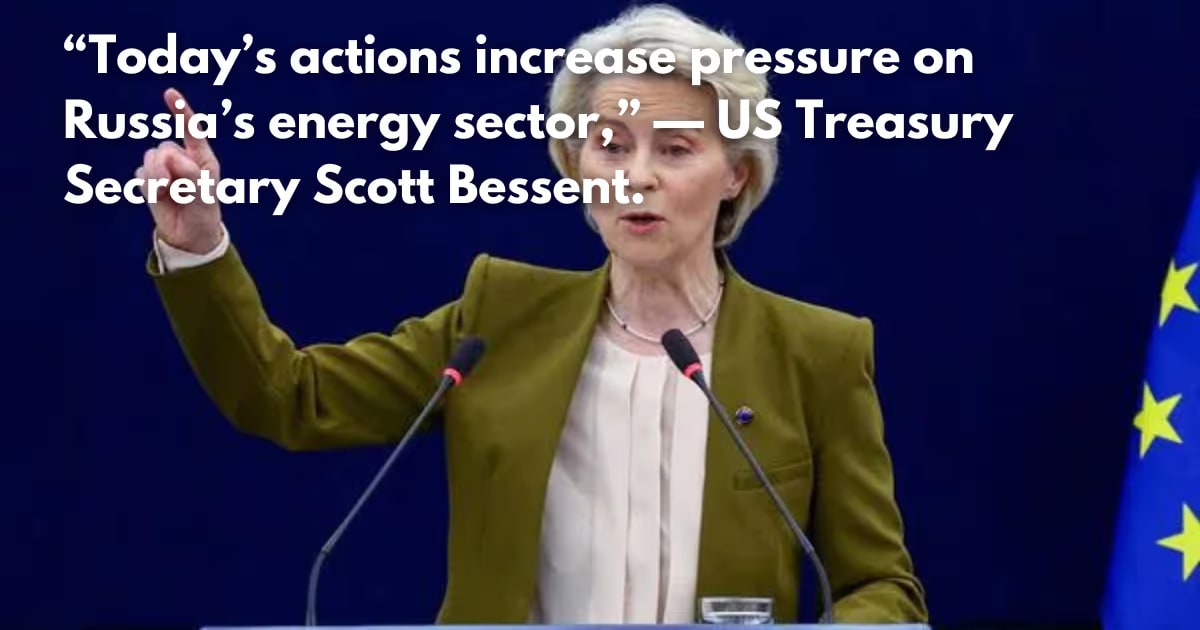


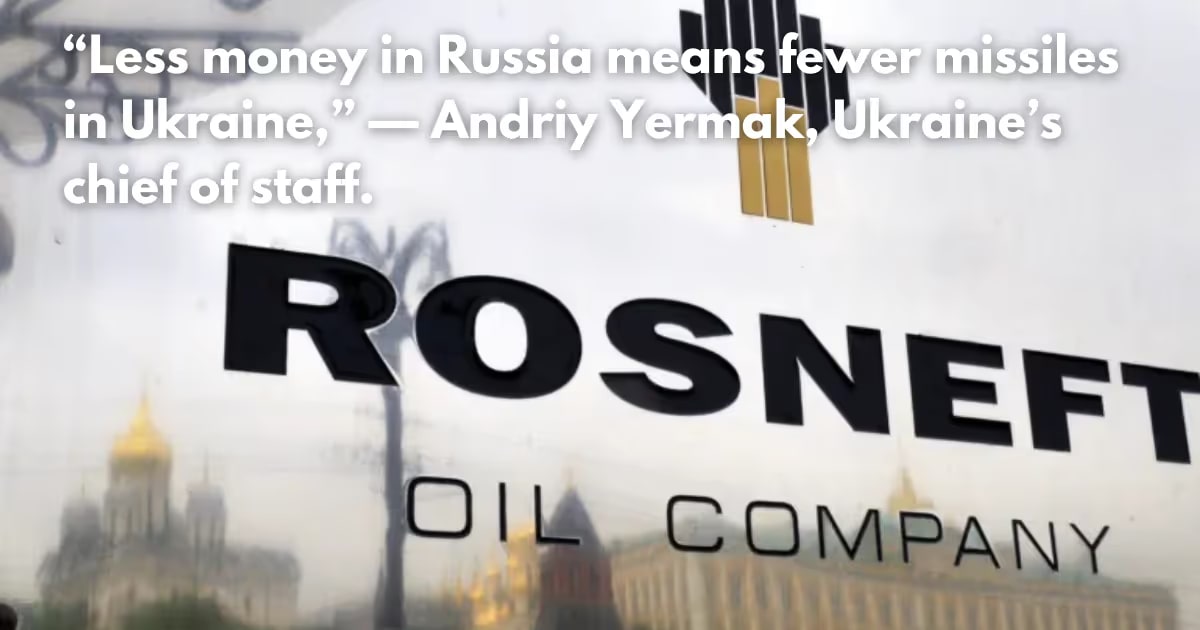
FazTimes Media, Washington/Brussels, Oct 22: In a coordinated show of transatlantic resolve, the United States and the European Union have unleashed a fresh wave of sanctions targeting the backbone of Russia’s energy industry—a move that marks the toughest economic response yet since renewed fighting in Ukraine stalled peace talks earlier this month.
President Donald Trump announced on Wednesday that his administration is sanctioning Rosneft and Lukoil, two of Russia’s largest oil corporations, citing Moscow’s unwillingness to engage meaningfully in ceasefire negotiations. Hours later, the European Union unveiled its 19th sanctions package, which includes a sweeping ban on Russian liquefied natural gas (LNG) imports—a decision that could significantly alter Europe’s energy landscape.
Speaking at the White House, Trump said the new measures were aimed at “cutting off.”
“These actions increase the pressure on Russia’s energy sector and limit its ability to fund aggression,” the president said. “Every barrel sold, every shipment that funds this senseless war must stop.”
The U.S. Department of the Treasury released details outlining the sanctions, freezing all American-held assets of Rosneft and Lukoil and prohibiting U.S. entities or individuals from conducting business with them or their affiliates. The list also included more than 30 subsidiaries across Europe, Asia, and the Middle East.
Treasury Secretary Scott Bessent described the move as a “strategic escalation,” adding that the sanctions “degrade the Kremlin’s ability to raise funds for its military operations and further isolate Russia from global financial systems.”
Interestingly, the sanctions did not target Chinese or Indian buyers of Russian crude, a decision analysts interpret as a pragmatic move to prevent a global oil shock. Energy economist Clara Whitman of Georgetown University stated that the White House is navigating a delicate situation. “They want to pressure Russia but avoid a spike in global oil prices that could hurt American consumers.”
During a press briefing, President Trump confirmed that he intends to raise concerns over China’s continued purchase of Russian oil during his upcoming bilateral meeting with President Xi Jinping at the APEC Summit in Seoul next week.
“China’s energy ties with Russia are significant. I will make it clear that supporting Russia’s war through oil purchases is unacceptable,” Trump said.
The administration hinted that additional sanctions could follow if Moscow continues military operations in Ukraine. “We are prepared to escalate as necessary,” Treasury officials emphasized.
Lukoil, Russia’s largest private company and third overall in terms of revenue, also faces a 26.5% decline in annual profits, citing higher taxes and rising production costs. “The war has fundamentally reshaped the economics of Russian oil,” said Sergey Novikov, an energy analyst based in Vienna. “They are operating in a shadow economy—selling oil through intermediaries, ghost ships, and shell companies.”
The United Kingdom joined the U.S. in expanding sanctions earlier this month, declaring that “there was no place for Russian oil in the global market.” British Foreign Secretary James Cleverly said London would “act decisively to block every avenue through which Moscow funds its illegal war.”
The sanctions announcement came just hours after Trump postponed his planned meeting with Russian President Vladimir Putin in Budapest, Hungary. “It just didn’t feel right,” Trump said. “We need to reach real results, not photo opportunities.”
According to sources within the White House, Trump's tolerance for Putin has dwindled due to numerous unsuccessful ceasefire negotiations. Despite cordial personal relations, the U.S. president is reportedly frustrated by Moscow’s insistence on keeping territory seized during the war and refusing to commit to any verifiable truce.
“Every time I speak with Vladimir, we have productive talks, but nothing moves forward,” Trump told reporters. “These sanctions are not forever—but they’ll stay as long as Russia keeps choosing war over peace.”
Across the Atlantic, European Union leaders finalized their 19th sanctions package targeting Moscow, introducing a ban on Russian LNG imports—a major step that underscores Europe’s determination to end its energy dependency on Russia.
The new rules stipulate that short-term LNG contracts with Russian suppliers will terminate within six months, while long-term deals will end by January 1, 2027.
The EU’s Danish presidency, which currently chairs the rotating council, said in a statement:
“We have reached a consensus. All 27 member states have now approved the 19th sanctions package. The message is clear—Russia’s energy cannot finance war.”
Slovakia's objections, demanding protections for its domestic industries facing high energy costs, had delayed the package. Following last-minute negotiations, the European Commission agreed to add clauses addressing Slovakia’s concerns before the final approval.
The sanctions also include travel restrictions on Russian diplomats and an expanded blacklist of 117 vessels accused of smuggling sanctioned goods under Moscow’s “shadow fleet.”
EU leaders hailed the package as a “major step forward,” with European Commission President Ursula von der Leyen saying that “Europe will not be complicit in funding missiles that rain down on Ukraine.”
In Kyiv, Ukrainian officials praised the twin announcements from Washington and Brussels as a turning point in the war effort. Andriy Yermak, chief of staff to President Volodymyr Zelenskyy, wrote on Telegram:
“Every sanction brings us closer to peace. Less money for Russia means fewer missiles against our cities. Package 20 is already in the works.”
Zelenskyy, speaking to local media, thanked the U.S. and EU for “their steadfast unity and moral clarity.” “These steps show that aggression has consequences,” he said.
Analysts predict short-term market turbulence but long-term strategic shifts. With the EU cutting off LNG imports and the U.S. tightening sanctions, Russia will increasingly depend on Asian buyers—primarily China, India, and Turkey—for its energy revenues.
However, these markets cannot fully replace the European demand that once accounted for nearly 45% of Russian energy exports. “Russia’s energy isolation is deepening,” said Helena Gritz, senior analyst at Energy Watch Group. “This could permanently change global supply chains and accelerate Europe’s green transition.”
FazTimes Media delivers independent, in-depth journalism with a focus on global politics, economics, and energy transitions. Our mission is to provide readers with balanced insights and fact-based reporting free from political bias.
Link:
https://www.faztimesmedia.com/viewpost/us-sanctions-russian-oil-giants-eu-bans-lng-escalating-energy-war-pressure


Discussion0
Join the conversation on this story
Loading comments...