
Video Shows BJP Workers Attacking Muslim Cattle Traders, Sparks Outrage
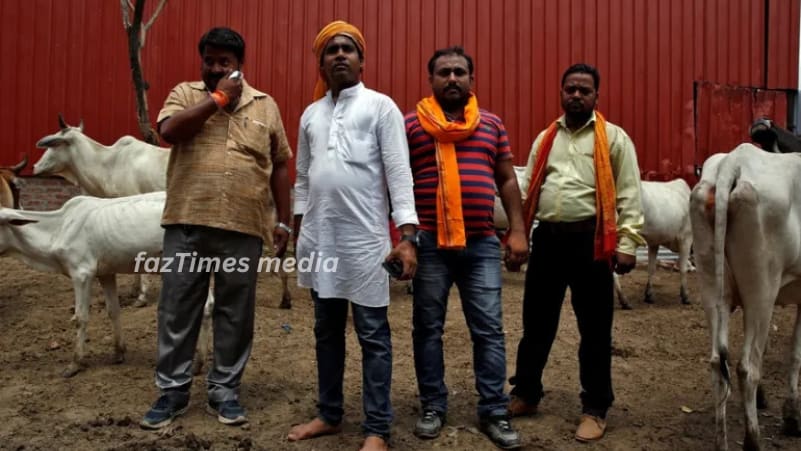
FazTimes media: Durgapur, West Bengal – A shocking mob attack, which is believed to have involved people linked to the BJP, has again brought to light the increasing problem of cow vigilante violence in India. Despite having the proper documents, a widely shared video shows Muslim cattle traders publicly shamed and tortured. This incident highlights the dangerous mix of religious tensions and illegal acts of violence.
The Incident: Public Humiliation During Alleged Vigilantism
A group of 15 to 20 men, who were identified as BJP workers and linked to vigilante groups, stopped a small truck carrying cattle near the Gammon Bridge, under the Coke Oven police station, on August 1. People said that the traders were "Bangladeshis" and were smuggling cows, even though they showed valid papers and receipts.
The video depicts the traders shackled, forced to perform sit-ups while holding their ears, and subjected to public ridicule. Police action started quickly after news outlets shared the story and a formal complaint from TMC MLA Narendranath Chakraborty. Two people, Deepak Das and Anish Bhattacharya, were arrested. The police have also named a third person, Parijat Ganguly, who is part of the BJP Youth Wing, as the main suspect. More raids are happening to catch others involved.
The police posted a message on X (formerly Twitter) saying:
“Two people from a minority group were detained and badly beaten.
No one will be left unpunished. We will always show zero tolerance for religious hate.”
The Asansol-Durgapur Police Commissioner, Sunil Kumar Chaudhary, said that even though the victims had proper documents, they were stopped and attacked.
He also warned that people should not try to take justice into their own hands.
A Pattern of Vigilante Violence
This event is part of a larger trend of increasing cow vigilante attacks in India. These attacks, especially against Muslim cattle traders, have been happening since the mid-2010s and have continued to cause worry about people getting away with violence and targeting based on religion.
From 2010 to mid-2017, Reuters reported 63 such attacks, and most of the people hurt or killed were Muslim.
Many suffered severe injuries or lost their lives. Examples include the lynching of Pehlu Khan in Alwar in 2017 and the hanging of Muslim traders in Jharkhand in 2016. In both cases, the victims had proper papers to transport the cattle.
Al Jazeera says this rise in cow vigilante violence has weakened the law. In numerous states under the leadership of the BJP, groups continue their actions unabated. The Supreme Court has instructed states to vigorously combat this form of informal justice.
Political Overtones and Local Fallout
The people accused in Durgapur are said to be linked to the BJP youth group, but the party's state branch quickly said they were not involved and promised to take action against those responsible. However, locals say these kinds of events make minority groups feel scared and unwelcome.
TMC leaders and activists have criticized the attack as an effort to spread fear among different communities.
MLA Narendranath Chakraborty called for arrests within 24 hours and described the incident as going against Bengal's history of being open and accepting to all.
Rural Muslim cattle traders in Bengal and nearby areas depend on moving cattle for farming, making milk, or selling them later. In Durgapur, traders came back from Bankura’s weekly market with 20 cattle, which they had bought legally for farming.
Even though their work is legal, they faced violence, lost their papers, and had their truck damaged. This ongoing issue has made it challenging for them to work and has affected their sense of belonging. Many are now either stopping their trade or doing it in fear.
The bigger picture: Why does mob rule still exist?
Experts and human rights groups are worried about a growing problem: groups of people think they are strong enough to break the law, and they often use cow protection as an excuse. This happens because the government doesn't do anything, especially in places where killing or selling cows is against the law. Sometimes political beliefs come before protecting people's rights.
Al Jazeera says that these groups do what they want without worrying about the consequences. They are considered protectors of tradition, while the people they attack are treated like criminals or outsiders.
People who work for justice say that without strong support from leaders and proper systems in place, some courts have asked for harsher punishments. However, the impacted individuals still lack access to the justice they require.
Local Solutions, National Urgency
For places like Durgapur and other similar towns, getting law and order back on track needs quick legal action and working with the community to heal.
Important steps should be
Arresting and properly prosecuting all people involved right away.
Making sure police and local officials know that proper legal papers are enough to protect honest businesspeople.
Running campaigns to let everyone know that punishing people in groups is wrong and that everyone has rights under the law.
Conclusion: A Bigger Test for Indian Democracy
The Durgapur incident isn't just a one-time event—it shows a bigger problem where trust is breaking down, and stories based on community divisions and political shows are taking over real rights. For people in West Bengal and all over India, the message is clear: when politics takes the place of fairness, people can act out in groups and cause harm.
According to Al Jazeera, these acts by groups are not just from a few people—they show a bigger failure in ideas and policies that are putting at risk the values of living together, following the law, and keeping people's jobs and lives safe.
Unless the government shows it won't tolerate this kind of violence and the courts act quickly to hold people responsible, these attacks will happen again, both as big events and as a way to control individuals. For the people of Durgapur and other communities in the state, getting justice isn't just about punishing the guilty—it's about winning back respect, having a better life, and being able to live without fear.
At FazTimes, we prioritize accuracy, confidence, and strong journalistic standards. To ensure every news story we share is real, we verify it with multiple trustworthy and independent sources.
We’ve compared this report with coverage from major news outlets worldwide, including BBC News, Reuters, Bloomberg, South China Morning Post, Al Jazeera, NDTV, The Economic Times, and The Indian Express.
Our dedication lies in upholding the highest standards in global journalism, ensuring our readers can trust the information they receive.


Discussion0
Join the conversation on this story
Loading comments...