
What is jute, and why is it important to Bangladesh?
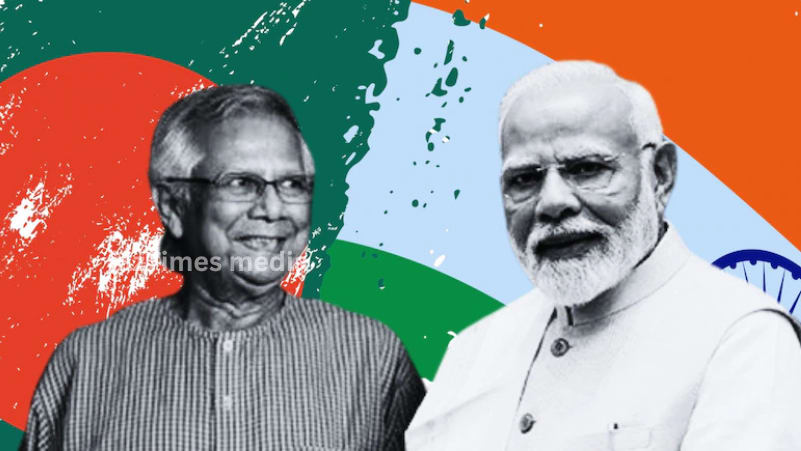
fazTimes media: New Delhi— Because of worries about the economy and national security during rising diplomatic tensions, India has put new limits on importing jute and textile goods from Bangladesh. This is a big policy change that could affect how trade works in the area. The Directorate General of Foreign Trade (DGFT) stated on Friday that certain items from Bangladesh, mostly woven fabrics and items related to jute, can now only be brought in through the Nhava Sheva seaport in Maharashtra. Imports cannot be made through land points along the border between Bangladesh and India right now.
"No land port on the border between India and Bangladesh can take goods from Bangladesh." "But only through the port of Nhava Sheva," the DGFT's order said.
What kinds of products are affected?
Many things made of jute and textiles are now illegal, including:
Yarn and jute thread
Woven fabrics made of jute and flax
Flax waste and tow
Bast strands
Materials made of jute, both bleached and dyed
But the order makes it clear that transit trade, which includes Bangladeshi items going to Nepal and Bhutan via India, is not affected. It also stops people from trying to send goods from Bangladesh back to India through these two countries.
India has put limits on trade three times in the last three months. In May, India stopped letting a lot of Bangladeshi goods into its land ports. These included prepared foods and ready-made clothes. India got rid of a long-standing transshipment facility in April. This facility lets Bangladesh send goods to countries other than Nepal and Bhutan.
Why now?
It's important that these trade limits happen now. The two countries' diplomatic ties have been getting worse lately, mostly because of controversial comments made by Muhammad Yunus, who is the current leader of Bangladesh's government, while he was on a state visit to China. When he talked about trade and regional security in New Delhi, people thought he was being too friendly with Beijing and not critical of India.
Political experts say that New Delhi saw Yunus's comments as a sign that Dhaka would be changing its foreign policy stance, which could be considered more friendly toward China and Pakistan, both of which have complicated relationships with India.
New Delhi is also worried about the recent killings of minorities, especially Hindus, in Bangladesh. Rights groups have said that people have been forced to become Christians, temples have been soiled, and people have been violently attacked. Indian politicians from all parties have asked the Ministry of External Affairs to talk to Dhaka about the issue more firmly.
Currents Running Through the Economy
A lot of trade experts think that India's recent actions are partly motivated by economic self-interest as well as political tensions. When it comes to textiles and jute, Bangladesh is a tough competitor that Indian companies have been trying to protect for a long time.
"These restrictions are considered a way to help the struggling Indian jute industry, especially in West Bengal, which is having trouble because of cheaper imports from Bangladesh," says Dr. Arvind Nair, a trade economist at Jawaharlal Nehru University. Indian textile and jute mills have asked the government to tighten controls on imports because they say Bangladeshi goods are being dumped at prices below market value. Thousands of Indian workers are affected because their jobs depend on these businesses.
In the fiscal year 2023–2024, India sent $11.46 billion worth of goods to Bangladesh and only brought in $2 billion worth. This made a total of $12.9 billion in trade between the two countries. Since India gains a lot from the trade, any big problems could be bad for Bangladeshi exporters.
What does it mean for local economies and cross-border trade?
People think that the new rules will hurt border economies, especially those in West Bengal, Assam, and Tripura, where trade across borders has been a big source of income in the past. Petrapole, the largest land port connecting Bangladesh and India, will immediately face the impact. Small businesses in Bongaon and Agartala that rely on small-scale trade and transportation services could lose jobs and see their economies slow down.
There will be effects on thousands of workers and carriers because of this. They don't have anything to move tonight. A logistics contractor in Petrapole named Dipankar Roy says that the cost of goods will go up because they will have to travel farther to get to Nhava Sheva.
Smaller Bangladeshi exporters also have trouble with logistics because they can't get to the big seaports. Because shipping through Nhava Sheva takes longer and costs more, Bangladeshi goods may not be as competitive in Indian markets.
How Important is Nhava Sheva or Strategy
By allowing imports exclusively through Nhava Sheva, India can enhance customs control and potentially prevent goods from reaching weaker markets in the region. This change could be viewed as a strategic decision to reduce reliance on land ports, which are often more difficult to monitor. This type of non-tariff barrier is a common practice. Mitali Sharma, a trade expert, says it's a way to limit trade without raising taxes on imports.
As Bangladesh strengthens its ties with other regional powers, this rerouting of imports could also be considered a test of how committed it is to keeping trade relations with India strong.
What Bangladesh Did in Answer
As of now, the Bangladeshi government has not made a public statement about the new restrictions. Sources in Dhaka's Commerce Ministry said the move was "unexpected and disappointing," especially since the two countries have strong cultural and economic ties.
Bangladesh asked India earlier this year to lower non-tariff barriers and make customs operations easier so that trade could go more smoothly. People worry about the future of ties between the two countries, perceiving these new restrictions as a reversal from previous goodwill.
Our trade with India has always been safe because we trust them. "These sudden changes without prior consultation are scary," a top Bangladeshi diplomat who asked not to be named said.
The Way Ahead
As both countries get ready for general elections in 2026, politics at home may affect how these conflicts grow. India is using trade policy as a diplomatic tool to protect its industries and show that it is the leader in the area.
But Bangladesh needs to be careful to protect its economic interests as it deals with the complicated dynamics of the area.
Right now, businesses on both sides of the line don't know what will happen. People who work in the industry hope that policy shock will finally lead to dialogue and understanding.
Dr. Nair said, "Trade restrictions may serve short-term goals, but they undermine long-term regional cooperation." "Resolving these issues through negotiation is in the best interests of both countries."
fazTimes media will keep you up to date on how this story develops and how it impacts trade, policy, and communities across the subcontinent.


Discussion0
Join the conversation on this story
Loading comments...