
World Leaders "Gravely Alarmed" by US Strikes on Iran, Urge De-escalation
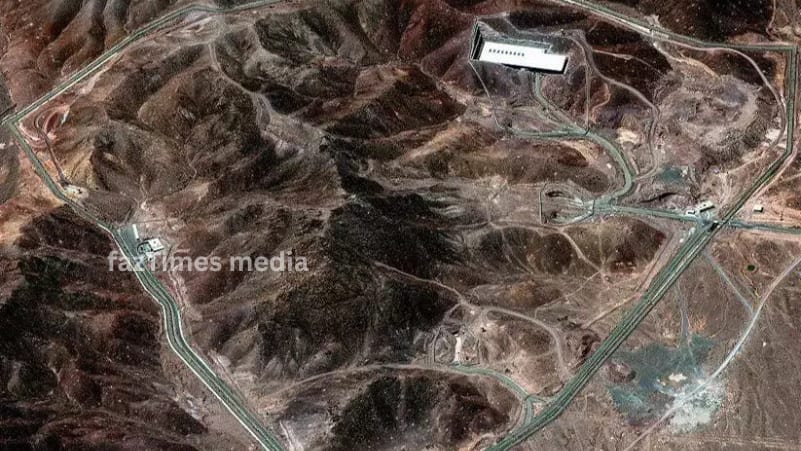
fazTimes media, New Delhi. The world woke up on Sunday to a sensational acceleration within the Middle East after the United States launched airstrikes on Iranian atomic sites. This activity raised fears that the continuous strife between Israel and Iran might heighten into a full territorial war. The uncommon choice by Washington, in spite of the fact that it was expected by a few, has activated far-reaching international concern, critical discretionary calls, and hypotheses around Iran’s next steps.
In a shocking turn, the strikes happened a few days after the previous president, Donald Trump, implied “taking time to decide.” A few eyewitnesses deciphered this as a sign that Washington might receive a wait-and-see approach. Instead, the sudden military activity clearly shows America's commitment to back Israel in its endeavors to debilitate Tehran’s nuclear program.
The assault focused on a few nuclear-related establishments in Iran, but the full extent of the harm remains obscure. Tehran had long cautioned that coordinated US association would cross a red line, prompting investigators and governments around the world to address how Iran might react.
A Perilous Turn: Pressures Surge in an Unstable Locale
The assault has encouraged destabilizing an as of now tense locale. For weeks, military engagements between Israel and Iran-backed powers have been rising, provoking neighboring nations to fix security and plan for the aftermath. With the US presently included, the plausibility of a territorial war that may drag in nations like Saudi Arabia, Iraq, Syria, and indeed Pakistan cannot be overlooked. American bases over the inlet, particularly in Qatar, Bahrain, and the UAE, are considered to be on high alert.
Specialists say it was usually the foremost critical encounter between the US and Iran in recent times. It may lead to an arrangement of reactions from Iran, which regularly depends on intermediary bunches all through the Middle East.
Universal Reaction: Concern, Calls for Calm, and Questions Over Results
The worldwide response was quick and generally basic. UN Secretary-General António Guterres communicated genuine alert, cautioning that the struggle was spiraling out of control. “There may be a developing chance that this strife may quickly get out of control with disastrous results for civilians, the locale, and the world,” he said on social media platform X. “There is no military arrangement. The, as it were, way forward is diplomacy.”
Other world pioneers reverberated this opinion. Unused Zealand Remote Serve Winston Diminishes depicted the circumstance as “the most genuine I’ve ever managed with” and encouraged both the US and Iran to return to the negotiation table. Whereas he did not expressly condemn the strike, Dwindle famously said that discretion would “deliver a more enduring determination than assisting military action.” China’s official media took a more honed position, comparing the current emergency to past US interventions within the locale. CGTN, a state-run media outlet, raised the question of whether the US was “repeating its Iraq botch in Iran.”
“History has more than once shown that military interventions within the Middle East regularly deliver unintended consequences,” the article highlighted, including that “dialogue over military encounter offers the leading trust for stability.”
Asia on Alarm: Japan, South Korea, and Australia Respond
In Asia, governments hurried to survey the suggestions of the US strikes. Japan’s Prime Minister Shigeru Ishiba held a crisis security assembly with beat priests to talk about how the strife might affect vitality imports and territorial collusions. Japan, intensely dependent on Central Eastern oil, remains particularly vulnerable to disturbances within the Strait of Hormuz, which carries a fifth of the world’s oil supply. South Korea’s presidential office, too, gathered for an emergency session, centering on the security and financial impacts of the acceleration. Authorities expressed that possible plans were being upgraded in coordination with partners.
Australia, which had as of now cleared government office staff from Tehran days prior, repeated its view that Iran’s atomic and rocket programs pose a genuine risk. Be that as it may, it too pushed the requirement for peace.
“We note the US president’s articulation that presently is the time for peace. The security circumstances within the locale are exceedingly unstable. We proceed to call for de-escalation, exchange, and diplomacy,” said a representative for the Australian government.
What Comes Following? The Street Ahead Looks Dubious
Whereas the US defended the strikes as a protective measure intended to anticipate and encourage Iranian nuclear improvement, faultfinders contend that the move may backfire by solidifying Iran’s position and enabling hardliners in Tehran. The Iranian government has not formally reacted, however, but examiners accept that a few frames of countering, whether directly or through territorial intermediaries, are likely unavoidable.
Conceivable targets may incorporate US military resources in Iraq, Syria, or indeed the past. Iran may, moreover, endeavor to disturb worldwide oil streams by leveraging its impact over the Strait of Hormuz, because it has worn out past showdowns.
For the Biden organization, this move speaks to a high-risk procedure. Locally, it may gather political support from hawkish groups and partners of Israel. In any case, universally, it might separate Washington at a time when global cooperation is imperative for addressing different emergencies, including the war in Ukraine and tensions within the South China Sea.
Neighborhood Viewpoints: What It Implies for India and the Locale
Closer to domestic, Indian specialists are closely observing improvements. With over eight million Indian ostracized living within the Inlet locale, any heightening might lead to a compassionate and financial emergency. Oil costs have as of now been unstable, and advanced disturbances may strain India's economy.
So remote, Unused Delhi has kept up an unbiased position, encouraging both sides to appear limited. In any case, Indian political sources show that backchannel communications are underway to plan for the potential departure of citizens in case the circumstances decline.
India’s vital security, exchange joins with both Iran and the US, and geopolitical interests in West Asia are all at stake. “This isn't a Middle East issue anymore,” says Teacher Rajan Menon, a universal issues investigator. “This might end up a real worldwide emergency unless political intervention happens quickly.”
Last Contemplations: A Minute of Figuring
The US airstrikes on Iran flag an essential moment in Middle Eastern geopolitics. They highlight the dangers of military activity in a locale as of now plagued by decades of insecurity. As governments respond, the coming days will be pivotal in deciding on the off chance that the world moves closer to a perilous encounter or finds a course back to strategy.
For the present, the world holds up restlessly, watching Tehran’s following move, trusting that reason will win over vindication.
This article is a portion of fazTimes media continuous scope of worldwide strife, discretion, and worldwide issues. Take after us for master bits of knowledge.


Discussion0
Join the conversation on this story
Loading comments...