
5 Mind-Stimulating Activities for Seniors



The FazTimes Media: Mindfulness is something that young people discuss a lot, but older people need it too, maybe even more. The mind changes as the body does. Seniors may have memory loss, depression, worry, or feelings of distress if they don't receive the right care. The World Health Organisation says that about 1 in 15 people aged 60 and up has some kind of mental health problem. In other words, mental health in old age isn't just about feeling good; it's necessary.
The head of geriatric medicine at Artemis Hospitals, Dr Prasun Chatterjee, gave some useful, science-based advice on how to keep your mind strong and your feelings in check as you get older. HT Lifestyle talked to him about how taking care of your mental health should be just as important as keeping your body fit. He said, "Every time you feel stressed, it can hurt brain cells that help with memory." This evidence shows how important it is for older people to regularly take care of their mental health.
Bloomberg News says that experts from all over the world agree that there is a strong link between mental and physical health, mainly through the gut-brain axis. We can change our mood and thoughts by what we eat, how much sleep we get, and how often we move. As you age, you're more likely to be lonely, lose someone, or get sick, so it's even more important to keep this mind-body link safe.
What can older people do to make their lives longer, better, and smarter?
Read on for four tips on how to take care of your mental health as you get older.
Use your brain often.
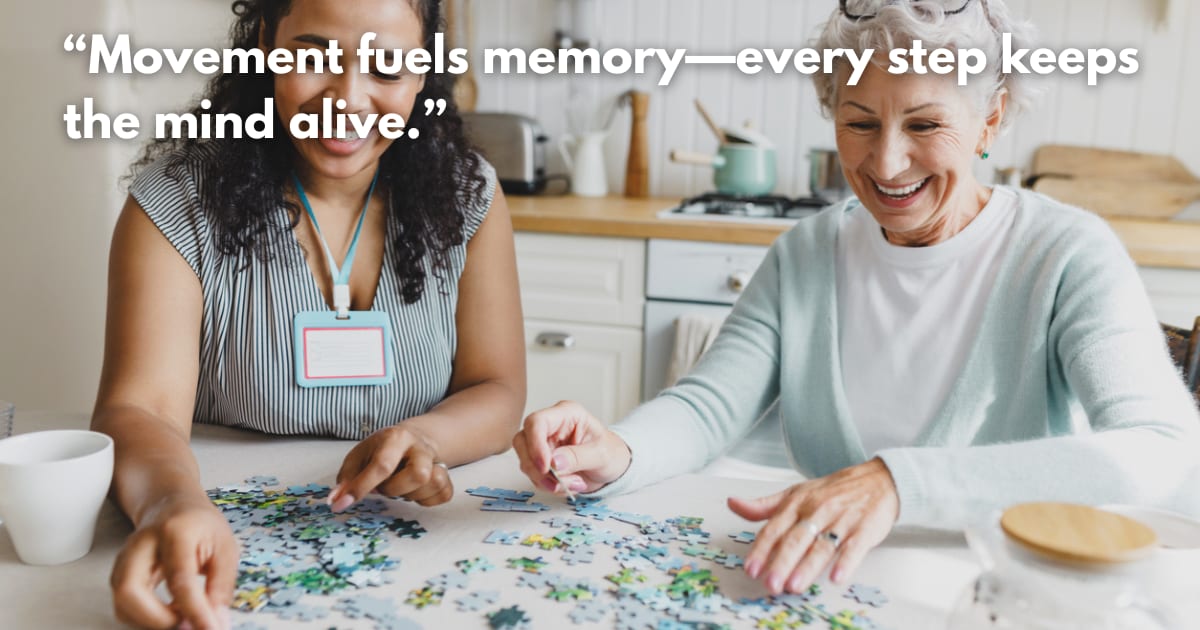
Your brain needs regular use to stay strong, just like your body does when you don't work it out. You can keep your mind sharp by doing things like reading, playing games, doing puzzles, or learning a new language. It is said by Dr Chatterjee that these mental tasks help the brain make new connections, which can slow down the normal ageing process. He asserts that learning is always possible. People over 50 can improve their focus and feel accomplished by taking up hobbies like drawing or playing an instrument, which boosts their confidence.
Al Jazeera says that research shows that learning new things throughout life can lower the chance of getting dementia. Making memories with your grandkids, remembering phone numbers, or shopping lists without writing them down are all simple things that can help your memory stay sharp.
To sum up, keeping your mind busy is just as important for your body as going for a walk. That is an effortless but strong way for older people to stay on their own and think clearly.
Stay in touch with people.
Older people who are lonely are often called a "silent epidemic". When you lose a partner, your kids move away, or you have trouble moving around, you may not see as many people every day. Such circumstances can make you sad or even depressed.
But staying in touch with other people can really change how you feel. Making friends, joining a group, or doing volunteer work in the community can help you feel less alone and provide you with mental support. It can make a big difference to just call family members often.
The Guardian found that older people who have many friends are 50% more likely to live longer than those who don't. Laughter, activities, and deep connections with other people can help lower stress and bring happiness. These activities also trigger the release of feel-good hormones like oxytocin and serotonin.
For people in the area, those activities could mean joining a senior group, going to neighbourhood religious or cultural events, or just hanging out in a park where people naturally talk and get to know each other. Keeping up with other people is the most important thing.
Put your physical health first.
People often say that a healthy body leads to a healthy mind. This is crucial for older people. Taking care of your body helps your mind stay calm. Meals with veggies, whole grains, and lean proteins provide the nutrients our brains need to function well. Also, drinking enough water and avoiding too much bad food helps keep your mood stable and prevents tiredness.
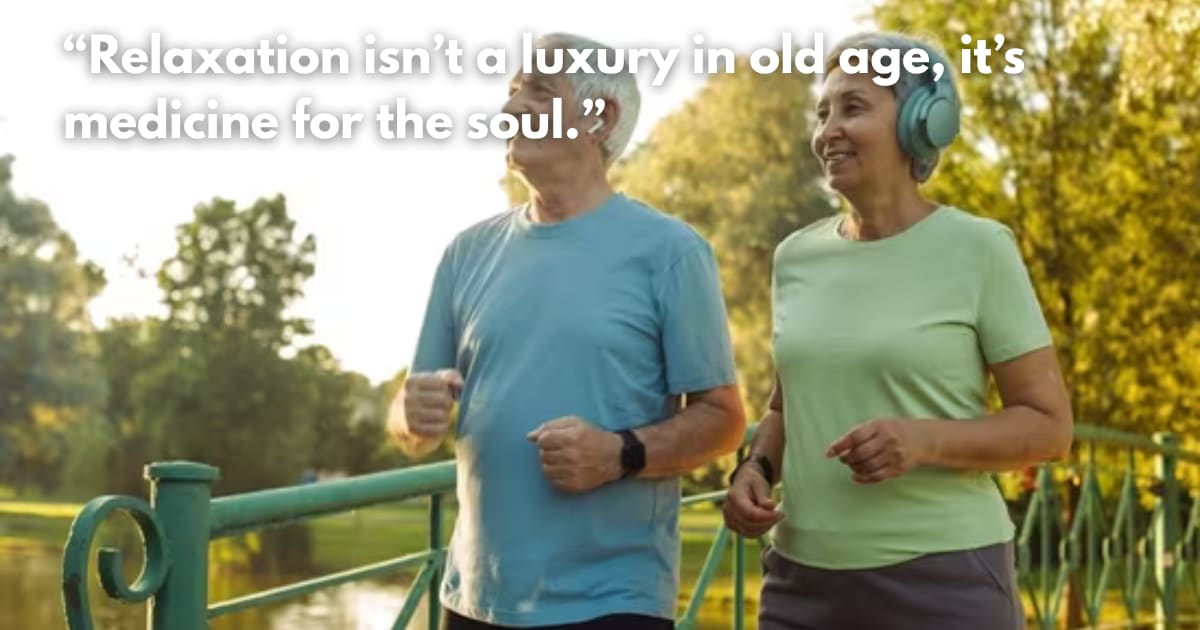
Furthermore, exercise is very important. Yoga, walking, tai chi, and light strength training can all help your blood flow, which in turn enhances your memory and thought. A daily walk of just 20 minutes can raise chemicals in the brain that make a person feel better and less stressed.
The New York Times reports that daily physical activity reduces depression in older individuals by about 30%. Many adults have trouble sleeping, and exercise can help with that. Sleep is also linked to mental health. Furthermore, seniors should ensure that they receive monthly check-ups. Taking care of long-term diseases like arthritis, diabetes, or high blood pressure keeps the body in great shape and lowers stress levels. The mind usually follows a healthy body.
Practice being aware and relaxed.
This world moves quickly, but older people can enjoy taking things more slowly. Meditation, deep breathing, or prayer are all forms of awareness that can help calm the mind and ease anxiety.
Dr Chatterjee says that gardening, knitting, or listening to music are all activities that can help you be more mindful without having to sit in a meditation class. People feel more peaceful inside when they do these things. They keep their hands busy and their minds calm.
According to BBC News, mindfulness exercises strengthen brain regions that aid in memory and emotional regulation. Many older people who relax say they can focus better, sleep better, and be less irritable. Even small things you do every day, like sitting quietly with a cup of tea at dawn or writing in a book before bed, can help you feel calm and in control of your emotions.
Our primary goals at FazTimes Media are to be accurate and confident and adhere to the highest journalistic standards. We check every news story we share against several trustworthy and separate sources to ensure its accuracy.
We have reviewed this report, along with articles from major news outlets worldwide, including BBC News, Reuters, Bloomberg, Al Jazeera, NDTV, The Economic Times, and The Indian Express.
We want to keep the highest standards in global journalism so that our readers can trust the information they acquire.




Discussion0
Join the conversation on this story
Loading comments...