
Tuberculosis: Early Signs, Detection & Treatment Explained

FazTimes Media: Tuberculosis (TB), one of the oldest known infectious diseases, is still a serious health problem even in today’s world. Although there have been many improvements in medicine and public health, TB is still a big issue in India, especially in places like Kerala. Health officials in Kerala say that about 82 lakh people could be at risk of getting TB. Even though TB can be prevented and cured, many people aren't aware of the early signs or how to treat it, which often leads to late diagnosis.
BBC News reports that countries in South Asia, including India, are working hard to eliminate TB, but there are still big problems with screening and a lot of stigma around the disease. To learn more about TB, FazTimes Media talked to Dr Harry Jacob George, a junior consultant at the District TB Centre in Alappuzha. He explained the early warning signs, how TB is diagnosed, and the treatment options that are available.
What is Tuberculosis?
The risk increases in crowded places, where there is poor air circulation, and when someone is in close contact with an infected person for a long time. “Many people have the TB bacteria in their bodies without showing any symptoms,” said Dr George. “This is called latent TB. These people are not contagious, but if their immune system becomes weak, they might develop active TB later.”
Early Symptoms You Should Never Ignore
TB is sometimes called a “silent disease” because its symptoms can come on slowly and look like those of other illnesses. It's important to notice the early signs so that treatment can start on time.
Some common symptoms include:
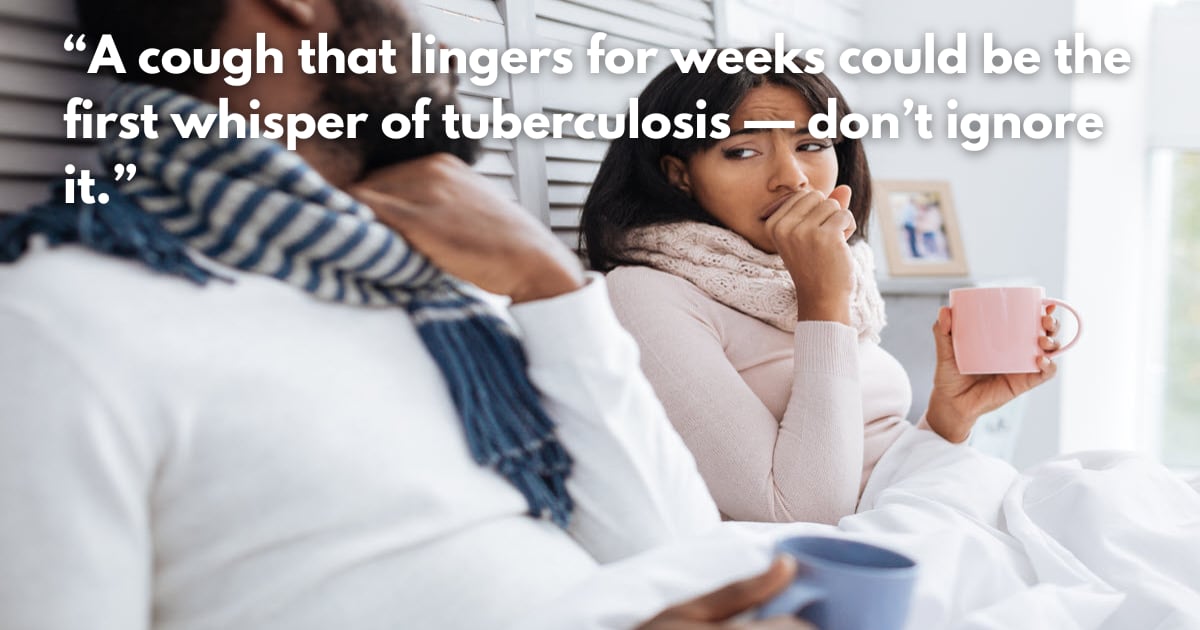
One of the most common signs is a cough that lasts for more than two weeks and sometimes brings up blood in the phlegm.
Sudden weight loss happens without any changes in diet.
You may experience a persistent fever or a low-grade fever that remains constant.
You may sweat excessively at night, causing your clothes and bedding to get wet.
Feeling awful and weak all the time.
Losing interest in food often leads to not getting enough nutrition.
People may also feel pain in the chest and have trouble breathing.
Dr George said, “If someone has several of these symptoms for more than 10–15 days, they should see a doctor right away. Not paying attention can make treatment take longer and make it easier for the disease to spread to others.”
Risk Factors Behind TB
While anyone can get TB, some people are more likely to catch it:
People with HIV/AIDS or diabetes or those undergoing chemotherapy often have a weakened immune system.
Poor nutrition increases the risk for people who do not consume enough food.
People who reside in densely populated areas, like factory workers, migrant labourers, and residents of slums, are particularly vulnerable.
Smokers and heavy drinkers — their lungs are more likely to be affected by the bacteria.
Healthcare workers are often around patients, which increases their risk.
According to Al Jazeera, experts say that problems like poverty, lack of knowledge, and stigma are making TB spread more in India. Fear of judgment often prevents people from seeking early help.
How is TB diagnosed?
Blood tests and molecular tests are newer and faster diagnostic methods, such as the CB-NAAT (Cartridge-Based Nucleic Acid Amplification Test). Dr George said, “Testing is free in government hospitals and is also available at some private clinics. Patients should not delay testing because TB can spread silently in families.”
Treatment: Six Months of Strict Medication
TB treatment is very effective, but needs to be taken seriously. Patients usually take a six-month course of antibiotics, split into two parts: the first two months are the intensive phase, and the next four months are the continuation phase.
The government uses the Directly Observed Treatment, Short-course (DOTS) strategy. Health workers make sure patients take their medicines regularly. If someone stops taking the treatment or misses doses, they might develop drug-resistant TB (DR-TB), which is more dangerous and harder to treat.
Dr George warned, “Every patient must finish the whole treatment, even if they feel better after a few weeks.
Not finishing the treatment is the main cause of drug-resistant TB.”
TB in Families: Why Testing Close Contacts is Important
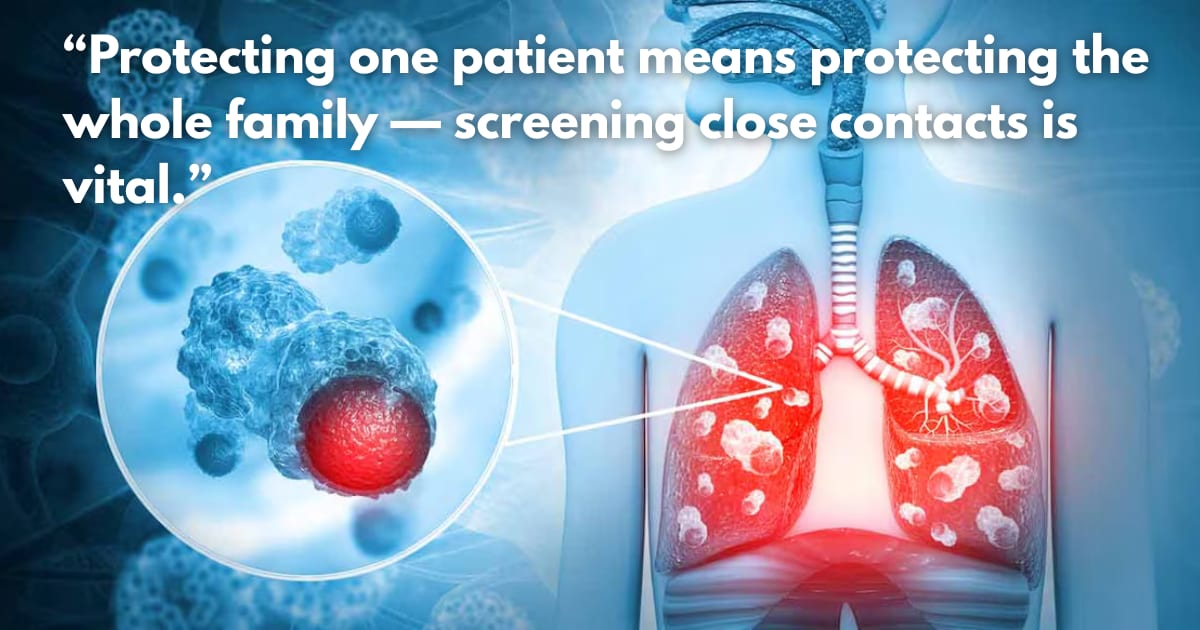
When someone is diagnosed with TB, all family members living in the same house should be tested. Children and older people, who have weaker immune systems, are more at risk. Dr George added, “Preventive medicines are often given to family members after a doctor's check-up. Not doing this can lead to more cases in the same household.”
Kerala’s TB Burden and Response
Kerala has been taking active steps to control TB. The state health department runs awareness campaigns, does door-to-door screenings, and provides free medicines at all government hospitals. The goal is to eliminate TB in India by 2025, which is five years earlier than the global WHO target of 2030.
The Human Side of TB: Stories of Hope
Patients often say TB is not just a health issue but also a social challenge. Many tell stories of being treated unfairly at work and feeling lonely in their communities. One person who recovered from TB in Ernakulam said, “I felt ashamed when others knew I had TB. But thanks to the right treatment and support, I made a full recovery. Now I share my story to help others feel less alone.”
Community groups, non-profits, and local health workers are doing a lot to help patients deal with both the disease and the stigma.
Preventing TB: Steps Everyone Should Take
Cover your mouth and nose when you cough or sneeze.
Avoid smoking and drinking too much alcohol.
Conclusion
Dr George asserted that tuberculosis (TB) does not result in death. Free treatment is available in every government hospital, so no one should wait or hide their illness. The more we talk about it, the sooner we can beat it.
Our primary goals at FazTimes Media are to be accurate and confident and adhere to the highest journalistic standards. We check every news story we share against several trustworthy and separate sources to ensure its accuracy.
We have reviewed this report, along with articles from major news outlets worldwide, including BBC News, Reuters, Bloomberg, Al Jazeera, NDTV, The Economic Times, and The Indian Express.
We want to keep the highest standards in global journalism so that our readers can trust the information they acquire.




Discussion0
Join the conversation on this story
Loading comments...