
Tempering in Indian Cuisine: Health Benefits of Key Ingredients


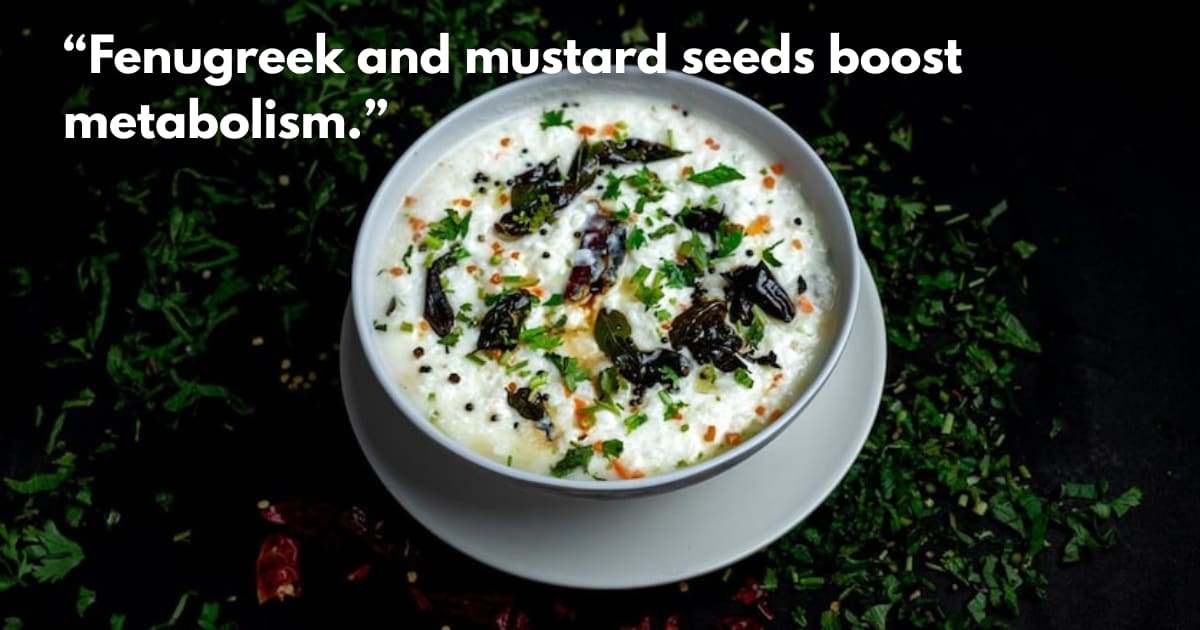

The FazTimes Media: Indian food isn't just a tasty mix of flavours; it's also a practice that combines taste and health. Tempering, or tadka/chaunk, is a fascinating, healthy way to cook that improves food smell. In this old way of cooking, spices are heated in hot ghee or oil before being added to stews, dals, or chutneys. It's not just about how delicious the food tastes. It can also help the body release beneficial chemicals, improve digestion, and even boost the defence system.
In India, adding spices to food makes it taste different. In the south, sambar tastes sour, while in the north, thick dal tadka tastes thick. BBC News says that many chefs and food experts believe that tempering began as a way to improve food taste and be better for you.
This article discusses some common tempering spices and their health benefits. We also look at why this way of cooking was so important to our ancestors.
What Does Tempering Really Mean?
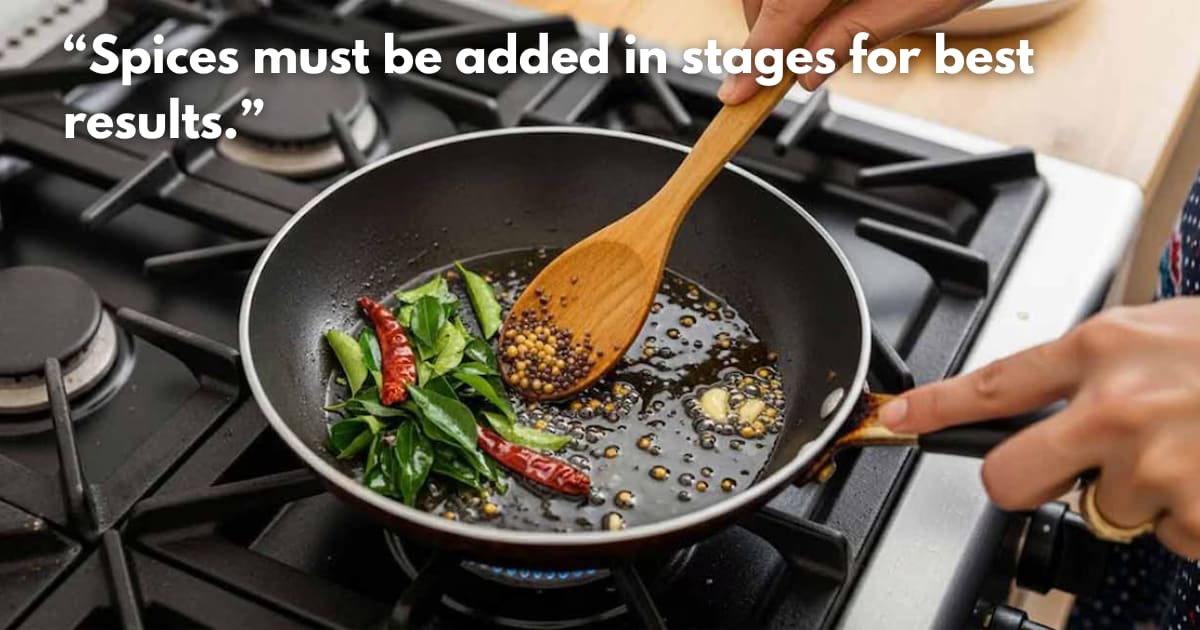
To temper, heat oil or butter and add spices like garlic, mustard seeds, cumin, curry leaves, or dry red chillies. But taste isn't the only thing that matters. These kinds of heat treatments on spices are said to help the body use medicine-like chemicals more easily.
Al Jazeera noted that new studies have shown that tadka can make food contain more antioxidants. This prevents the body from swelling and developing long-term health issues.
Here are the important parts of tempering and their health benefits:
Seeds of mustard
The tiniest mustard seeds, either black or yellow, go into hot oil first. They produce glucosinolates when they pop, which help keep cancer away. These seeds also fight harmful bugs in the gut and help digestion.
Turns up the metabolism.
Helps get rid of bacterial diseases
It has magnesium and selenium, which reduce inflammation.
Seeds of cumin
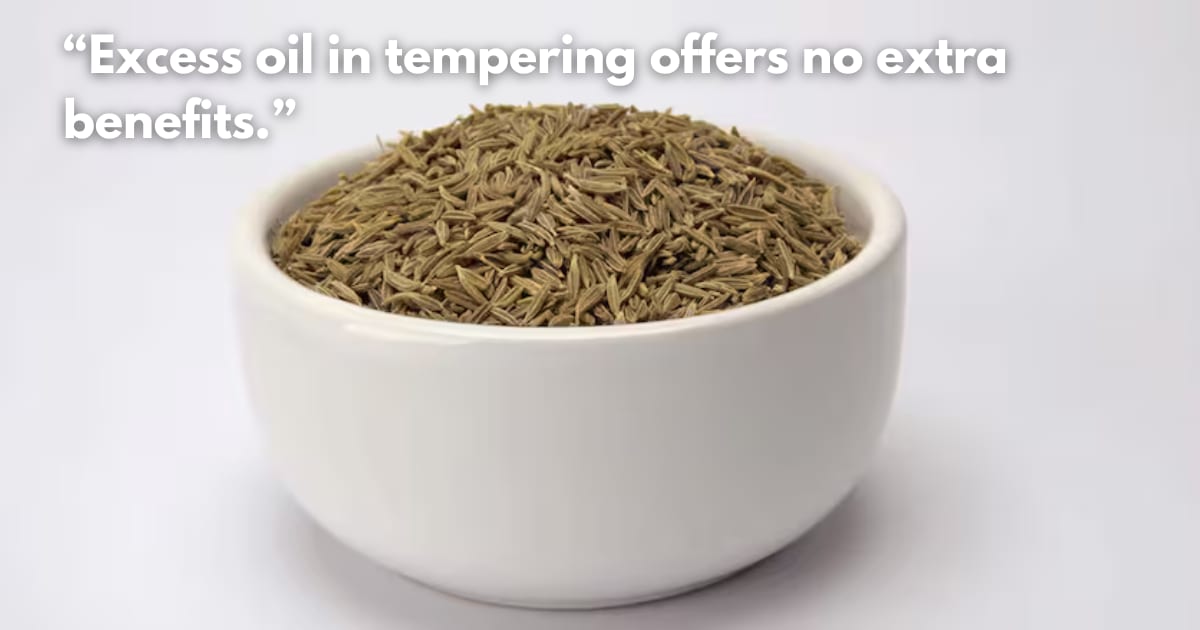
Next are cumin seeds. They smell bad, but they're good for your stomach. They help the body make gut juices, ease stomach pain, and take in nutrients better.
This food can be used as a natural stomach acid.
This food is high in iron and good for people who have anaemia.
It has thymol in it, which improves liver function.
A handful of methi seeds
Fenugreek seeds are a little bitter, but when they're fried, they make food taste excellent. They help keep blood sugar levels in check and help the body make breast milk. Plus, they help keep cholesterol in check.
Blood sugar is kept in check.
Good for your skin and hair
Makes respiration stronger
Leaves of curry
The most fragrant element in a curry is the leaf. They fight free radicals, keep blood sugar in check, raise good cholesterol, and shield the liver. They were often used by grandmothers to help hair grow and keep eyes healthy.
Full of A, B, C, and E vitamins
Helps digestion
Lowers the stress of oxidative
5. Lemon and ginger
Allicin, a substance that lowers blood pressure and cholesterol, is released when garlic is chopped or crushed and added to hot oil. Ginger can help with sickness and cold symptoms and can also reduce inflammation.
Garlic is beneficial for your heart and immune system.
Ginger eases joint pain and makes blood move better.
Dry red chillies.
There's more to dried chillies than just heat. They have capsaicin in them, which helps you lose weight and improves your blood flow. They also stop infections and kill germs.
Turns up the metabolism.
Clears up a stuffy nose
It can naturally alleviate pain.
Soy sauce (Hing)
In Indian food, asafoetida is important, even though it is only used in tiny amounts. A beneficial natural way to treat stomach problems, it helps with gas and bloating. It helps with stomach cramps.
Good for your lungs
Works against viruses and fungi
Turnip 8.
Usually, turmeric is added after the oil has cooled down a bit. Curcumin, which is found in it, is known to fight free radicals and reduce inflammation. Turmeric in tadka helps the body absorb it better, especially when mixed with black pepper.
Lowers swelling and pain
Makes you stronger
Keeps the brain healthy
Why the order of tempering is important
Slow cooks are careful about the order in which they add things to hot oil. The mustard seeds are added first because their oils need the most heat to come out. The next ones are curry leaves, fenugreek, and garlic. The garlic and hing are added last because they are easy to burn. Adding the turmeric and other powdered spices at the end preserves their healthy qualities.
A study in The Hindu about food science reveals that the order of spices matters for more than just taste. It helps get the most vitamins out of the spices and keeps their nutrients from going away.
Tempering is good for your health and way of life.
Better Digesting: Many of the spices in tadka help the body make more digestive enzymes, which makes stomach pain go away. Stronger immunity: Garlic, ginger, and curry leaves naturally help the immune system. Tempering enhances the flavour, allowing for less salt to be used. You don't need as much salt or artificial flavouring.
Natural Detox: Cumin and fenugreek are two spices that help the body get rid of dangerous substances.
Health of the mind: People find it relaxing to smell tadka because it makes them think of good times at home.
We should preserve this tradition.
These days, fast food and ready-made meals are popular. But the simple act of tempering shows us how beneficial traditional cooking can be. Each spice plays a part; some are good for the stomach, some are good for the heart, and many keep you healthy in the long run.
A report from BBC News says that health experts think that using old cooking techniques like tempering can help with current health issues like stress, obesity, and diabetes. When you hear the sound of spices sizzling in hot oil, remember that they are adding taste to your food and bringing hundreds of years of knowledge and health benefits to your plate.
Our primary goals at FazTimes Media are to be accurate and confident and adhere to the highest journalistic standards. We check every news story we share against several trustworthy and separate sources to ensure its accuracy.
We have reviewed this report, along with articles from major news outlets worldwide, including BBC News, Reuters, Bloomberg, Al Jazeera, NDTV, The Economic Times, and The Indian Express.
We want to keep the highest standards in global journalism so that our readers can trust the information they acquire.





Discussion0
Join the conversation on this story
Loading comments...