
Amoebic Meningoencephalitis: Why Treatment is Delayed & What to Know
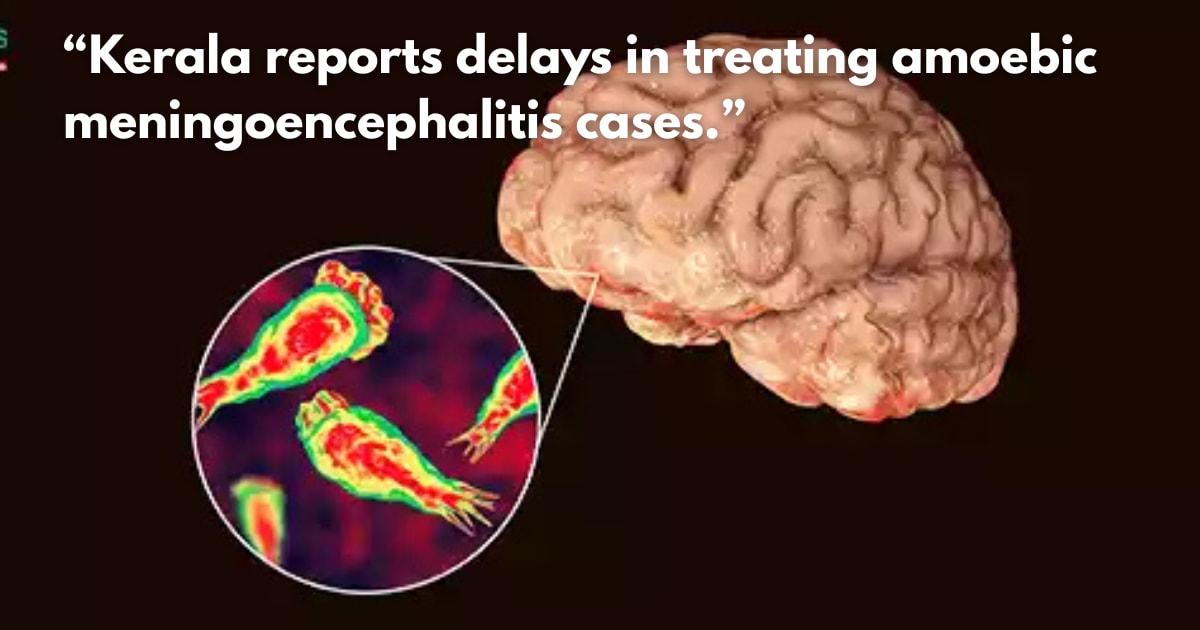


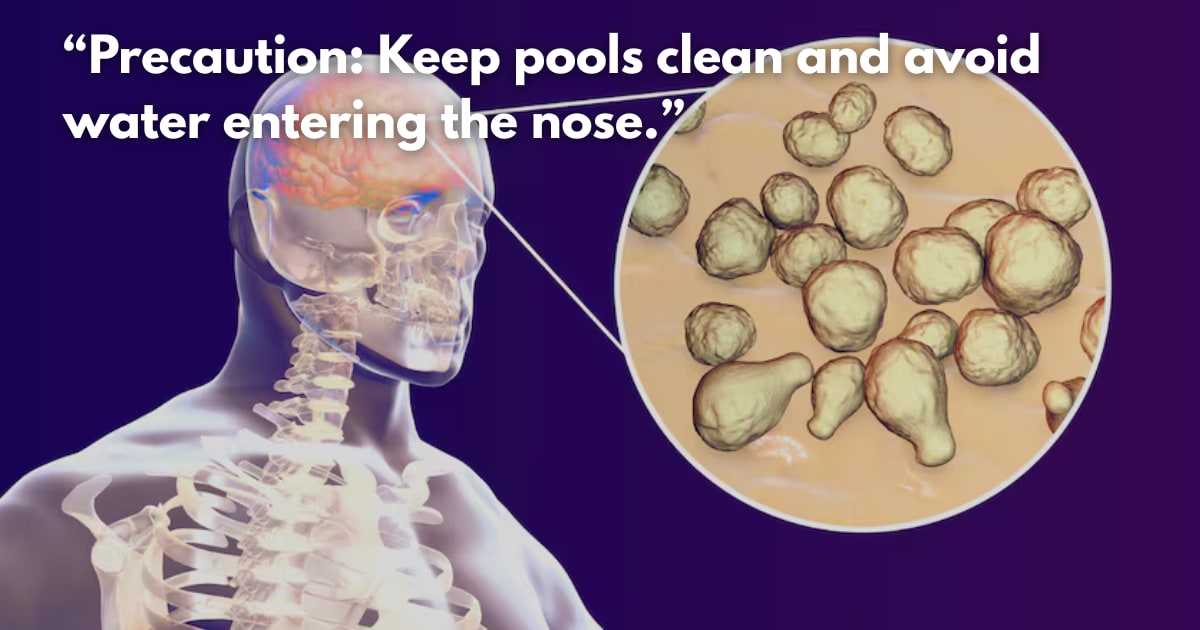
FazTimes Media, Thiruvananthapuram, Aug 30: In the last few months, Kerala has been in the news for a serious health issue—Amoebic Meningoencephalitis (AME). This is a rare but dangerous infection that affects the brain and is caused by certain types of amoebas found in soil and still water. It has worried many families and put a lot of pressure on health workers. While there have been cases before, 2024 has seen a big increase in different areas, making people ask: Why is treatment often delayed, and why is this disease so difficult to deal with?
With deaths reported in several areas, it's clear that raising awareness and taking steps to prevent the disease are crucial.
Could you please explain what Amoebic Meningitis is?
Amoebic Meningoencephalitis is an infection of the brain caused by certain kinds of amoebas, which are tiny organisms that usually live in soil, freshwater lakes, ponds, and dirty swimming pools.
Medical experts say there are two major types of this disease:
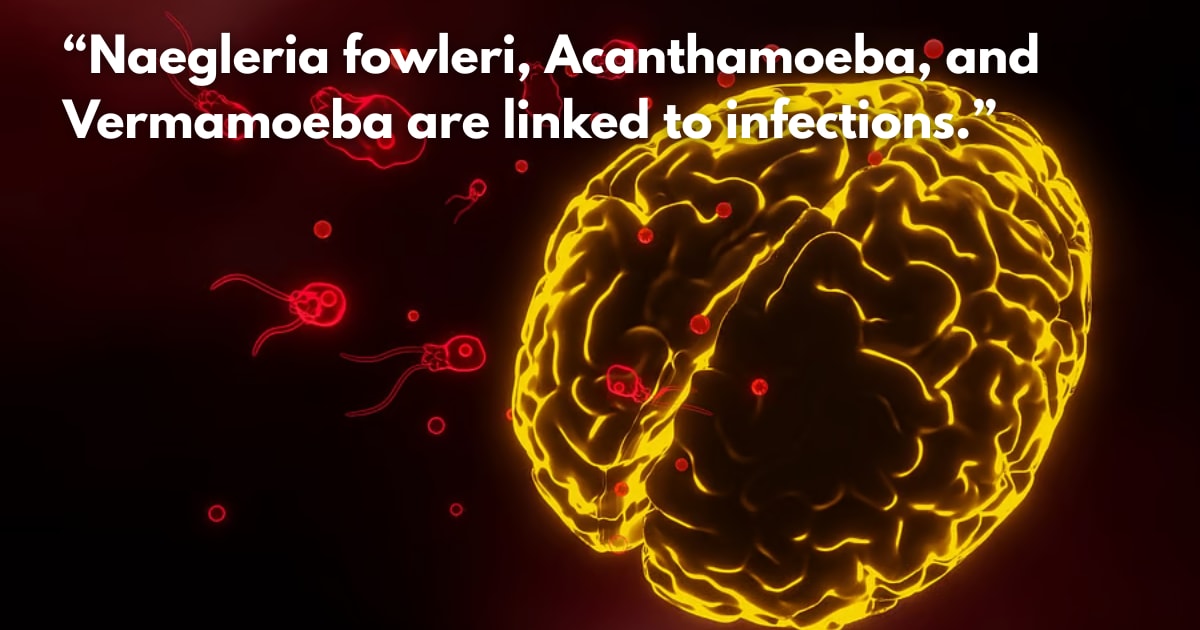
Granulomatous Amoebic Encephalitis (GAE) – This is caused by amoebas like Acanthamoeba and Balamuthia mandrillaris. It spreads more slowly, and while the chances of death are high, some people survive with strong treatment. As reported by BBC News, until 2022, all confirmed cases in Kerala were linked to Naegleria fowleri. But in 2023, doctors found two infections linked to Acanthamoeba. By 2024, another type of amoeba—Vermamoeba vermicularis—was also discovered. Finding multiple types of these amoebas has made it even harder to diagnose and treat the disease.
Why is Treatment Delayed?
One big problem is finding the illness early. The first signs—like headache, fever, nausea, or vomiting—are almost the same as those of viral meningitis. Some people with PAM might notice a slight change in taste or smell, but the manifestation is so small it doesn’t give a clear warning.
“A lot of the time, by the time doctors figure out it’s AME, the infection has already become grave,” said a senior neurologist at the Institute of Advanced Virology. Some people may start with skin sores or eye infections and then later develop neurological problems. These conditions can make doctors treat them for other issues instead, which uses up important time.
Who is Most Likely to Get It?
Although AME can affect anyone, doctors have noticed some common patterns:
PAM mostly affects kids and teenagers, often after they swim in freshwater ponds or rivers during hot weather.
How Can We Stay Safe?
Experts suggest taking steps to cut down on our chances of being contacted by amoebas:
Avoid swimming in still ponds, lakes, or dirty pools. If you have to swim, use a nose clip or keep your head above water.
Don’t dig up the soil at the bottom of ponds or lakes, as the debris can bring amoebas into the water.
Take care of swimming pools and water parks by keeping the chlorine levels right.
Empty children’s pools after each time they’re used and let them dry out.
Before using taps and pipes, especially after they’ve been unused for a while, turn the water on and let it run to clear any buildup.
Keep sprinklers and garden hoses away from your nose.
“These are small actions, but they can make a big difference,” said Dr Asha Nair, an infectious disease expert at a hospital in Kochi.
Broader Public Health Challenges
The AME outbreak in Kerala has raised bigger questions about how ready our public health system is. Experts say that, although Kerala has one of the best healthcare systems in India, diseases like AME highlight weaknesses in diagnosis and response.
A health worker, requesting anonymity, stated:
“Most hospitals are set up for common illnesses. But when a rare germ like Vermamoeba shows up, it takes time to get labs and treatments ready.”
The Indian Council of Medical Research (ICMR), which has now called for a statewide system to monitor free-living amoebas, echoed this.
Why Kerala Needs More Awareness
Unlike diseases like COVID-19 or dengue, AME cases are not very common. But because the death rate is so high, every case is a big concern. In rural areas of Kerala, many families still use natural ponds for bathing, and children often swim in rivers during the summer. In the absence of a robust awareness campaign, the risk of infection will persist.
MLA K.T. Jaleel, speaking at a public meeting, said:
But when it comes to health, we must change. People need to know that some traditional habits may need to be adjusted to confront new dangers.
Final Thoughts
Amoebic Meningoencephalitis is more than just a health problem—it shows how tiny organisms in our surroundings can pose serious challenges to even the strongest healthcare systems. In Kerala, where water is everywhere, this illness reminds us how important it is to stay alert, get tests done quickly, and spread awareness among the public.
According to BBC News, experts worldwide think that climate change and warmer temperatures might make free-living amoebas spread more easily around the globe. So, Kerala's situation could be a warning for other places too. Currently, the best way to protect people is through prevention and early detection.
Our primary goals at FazTimes Media are to be accurate and confident and adhere to the highest journalistic standards. We check every news story we share against several trustworthy and separate sources to ensure its accuracy.
We have reviewed this report, along with articles from major news outlets worldwide, including BBC News, Reuters, Bloomberg, Al Jazeera, NDTV, The Economic Times, and The Indian Express.
We want to keep the highest standards in global journalism so that our readers can trust the information they acquire.




Discussion0
Join the conversation on this story
Loading comments...