
New US Food Ad Limits for Kids Face Industry Opposition
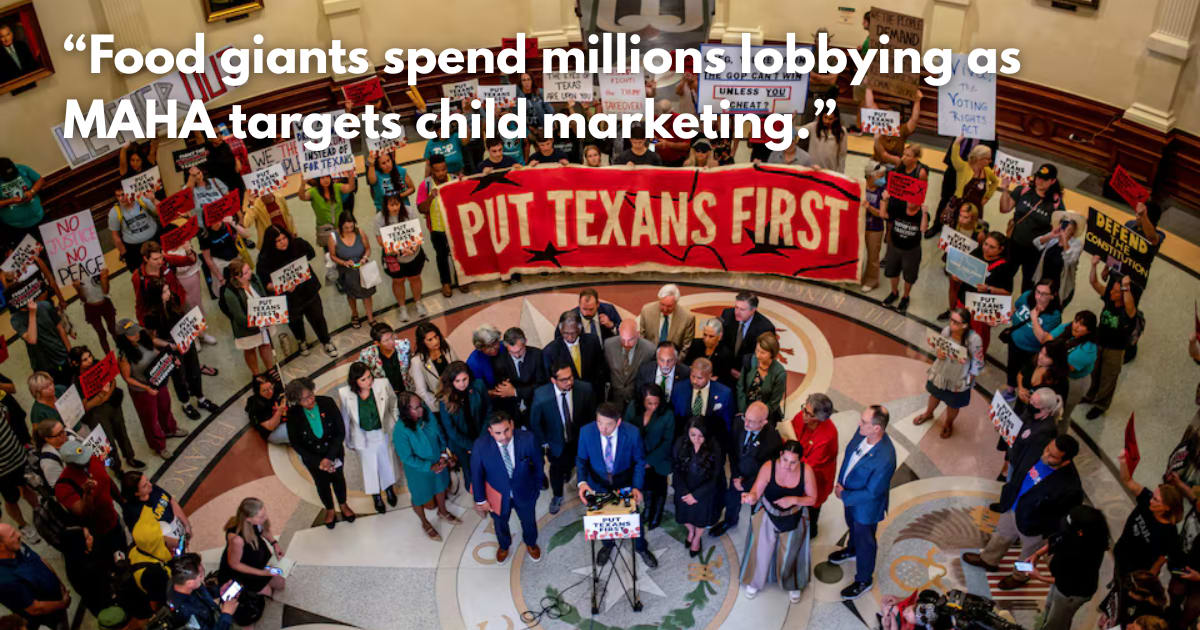
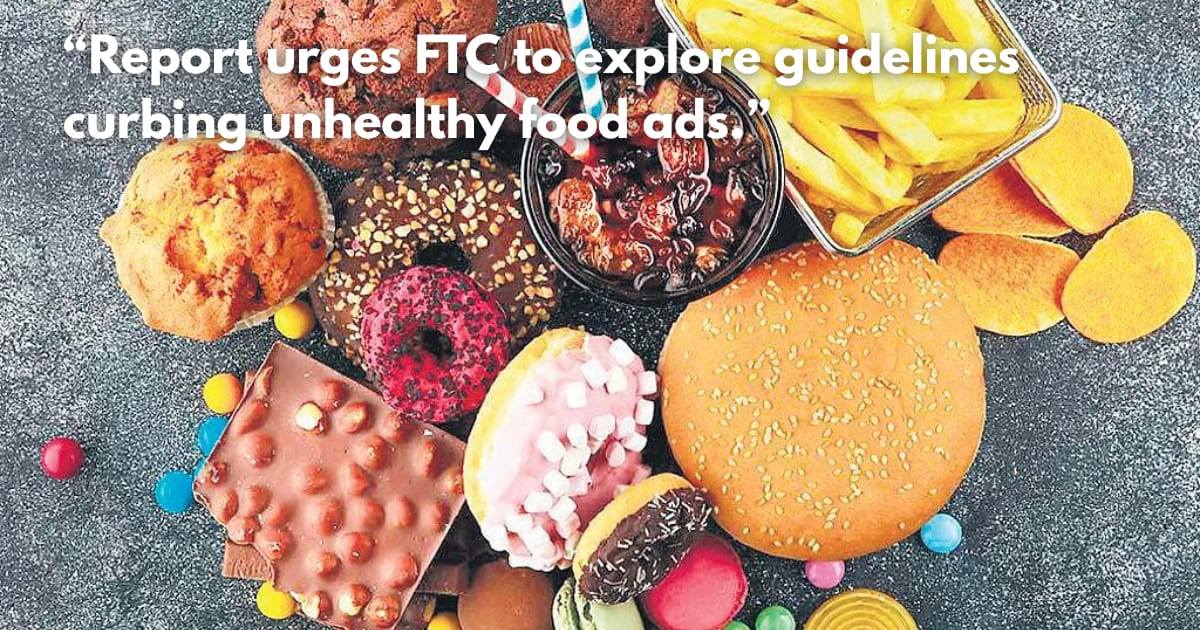
FazTimes Media, Washington, Aug 30 – A new discussion is happening in the United States about whether ads for unhealthy food aimed at kids should be limited. The White House's Make America Healthy Again (MAHA) Commission, which was created in February under President Donald Trump and led by Robert F. Kennedy Jr, is about to release a new report that wants to put limits on how companies promote sugary drinks, fast food, and highly processed snacks to children. However, experts say this plan might face the same issues as before—being blocked by strong lobbying from the food industry.
A draft of the report, shared with Reuters, says government groups should look into making rules that control how companies advertise unhealthy food to kids. The draft states that companies spend billions annually on targeted campaigns to attract young consumers via TV, online platforms, and social media.
This is a big move, but not completely new. In 2011, the Federal Trade Commission (FTC) also suggested similar rules to cut down on junk food ads aimed at children. However, that idea was stopped due to heavy lobbying from the food companies.
The struggle is between public health and big corporate power. The effects are serious. Many children in the U.S. are overweight, with one in five being classified as obese. Nutrition experts say advertising plays a major role in how kids choose what to eat.
Nick Freudenberg, a professor at the City University of New York, told reporters, “Food ads are probably the biggest influence on what kids eat. The U.S. has fewer protections than the European Union or countries in Latin America, mainly because the food industry has too much power.”
The MAHA Commission sees the consumption of ultra-processed foods as a major problem. Its first report in May outlined a wide plan to improve American diets. The new draft continues this endeavour by directly looking at how food companies promote their products.
Still, Freudenberg is sceptical about true change. “History shows that when the government tries to regulate, the food industry fights back,” he said.
Lobbying is getting stronger as the report approaches.
There are signs that companies are already working hard to influence the outcome. Recent reports from Washington show that food and drink companies spent more money on lobbying in 2025 than they did last year. Big names like Coca-Cola, PepsiCo, ConAgra Brands, and Mondelēz (which makes Oreo cookies) mentioned the MAHA initiative as a key topic during talks with government officials.
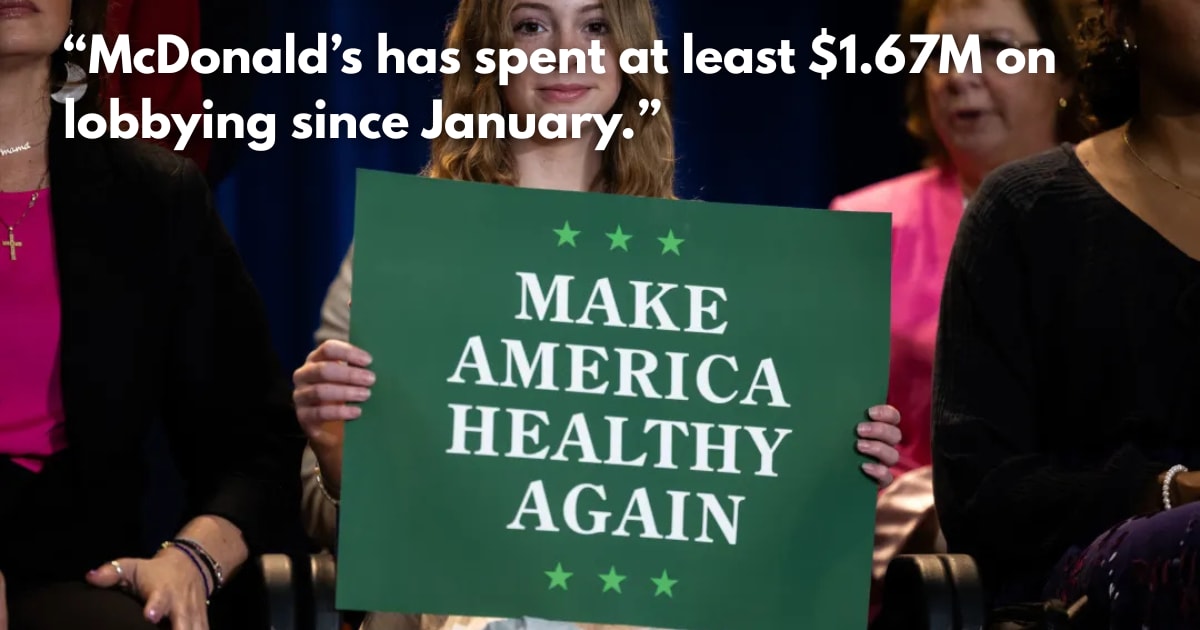
McDonald’s, another giant company, has already spent over $1.6 million on lobbying this year. Even though they haven’t made a public statement, their files show they are still talking to lawmakers and regulators about nutrition-related issues.
This increase in lobbying suggests the industry is worried about any suggestions that might lead to stricter rules on advertising. BBC News reports that many global food companies say they already take part in voluntary programmes to make their marketing healthier and that no more rules are needed.
Defending the industry, most major food advertisers in the U.S. are part of the Children's Food and Beverage Advertising Initiative (CFBAI), a voluntary promise started almost 20 years ago. This program requires companies not to advertise directly to kids under six and to only promote healthier products for those under 13.
Daniel Range, the leader of the CFBAI, asserted that the program has significantly enhanced the advertising of food and drink to children. It’s not perfect, but it has made a big difference.”
However, critics don’t agree. Jennifer Harris, a food marketing expert at the University of Connecticut, said, “The promises have lots of gaps. Kids are still seeing many ads for sugary cereals, soda, and snacks. The voluntary system lets companies take credit while still doing harmful things.”
MAHA’s Political Tightrope
Robert F. Kennedy Jr, who leads the MAHA Commission, is a person who often causes debate. Some people believe his work on health issues is important and necessary, but his doubts about vaccines and his disagreements with big companies have made people split in their views.
Kennedy insists that the Commission is working together on a common goal: fighting what he calls “an epidemic of ultra-processed foods”. Earlier this year, he said, “If we want to improve the health of American kids, we can’t ignore how much marketing affects them. Kids should be protected from ads that push them toward health problems for life.”
The White House has been careful in its response. A spokesperson, Kush Desai, said the government will follow “Gold Standard Science” as its main guide. He added that decisions will be based on facts, not politics.
The Department of Health and Human Services did not comment on the draft recommendations.
Lessons From the Past
The 2011 proposal by the FTC is still important. That plan wanted companies to stop advertising unhealthy products unless they met strict health rules, like being high in whole grains, fruits, or vegetables. But industry pressure stopped it from moving forward.
Many public health experts worry the MAHA report could face the same problem. Harris said, "Without strong political support, this report may be ignored."
What’s at Stake for American Families
This issue goes beyond politics and affects the daily lives of millions of families. Junk food advertisements are ubiquitous, appearing on cereal boxes featuring cartoon characters as well as on platforms like YouTube and TikTok.
These ads often cause parents to grapple with their children. “We try to keep sugary drinks out of our house, but after every ad break, my kids ask for them again,” said Maria Lopez, a mother of two from Texas. “It feels like we’re fighting a losing battle.”
According to Al Jazeera, countries like the United Kingdom, Chile, and Mexico have introduced rules to limit junk food advertising to children. These include banning cartoon characters, limiting TV ads during kids’ shows, and putting taxes on sugary drinks. Early research suggests these actions can reduce unhealthy eating and improve overall health.
The Road Ahead
It’s still unclear if the MAHA Commission’s suggestions will actually make a difference in Washington.
The food industry has a lot of influence, and many politicians are hesitant to go against big, powerful companies.
But some people believe that more people are starting to worry about kids’ health, which could help push for change. Since more children are getting overweight, suffering from diabetes, and facing other health problems linked to diet, supporters say the government can’t afford to ignore this.
“Children’s health is something we can’t compromise on,” said Kennedy in a recent statement. “We need to take strong action, even if it means standing up to big companies.”
Conclusion
The upcoming MAHA report shows a big conflict in U.S. public health policies: trying to protect kids while also keeping companies free. While groups in the food industry are strongly against any changes, health advocates say the facts are too strong to ignore.
As the report is about to come out, parents, teachers, and lawmakers are all watching closely to see if the White House will follow the recommendations or if money from big companies will once again take precedence over science. Whatever happens it will not only impact food advertising but also shape the health and future of the next generation.
Our primary goals at FazTimes Media are to be accurate and confident and adhere to the highest journalistic standards. We check every news story we share against several trustworthy and separate sources to ensure its accuracy.
We have reviewed this report, along with articles from major news outlets worldwide, including BBC News, Reuters, Bloomberg, Al Jazeera, NDTV, The Economic Times, and The Indian Express.
We want to keep the highest standards in global journalism so that our readers can trust the information they acquire.




Discussion0
Join the conversation on this story
Loading comments...