
Heel Pain & Achilles Tendinitis: Causes, Symptoms & Treatment
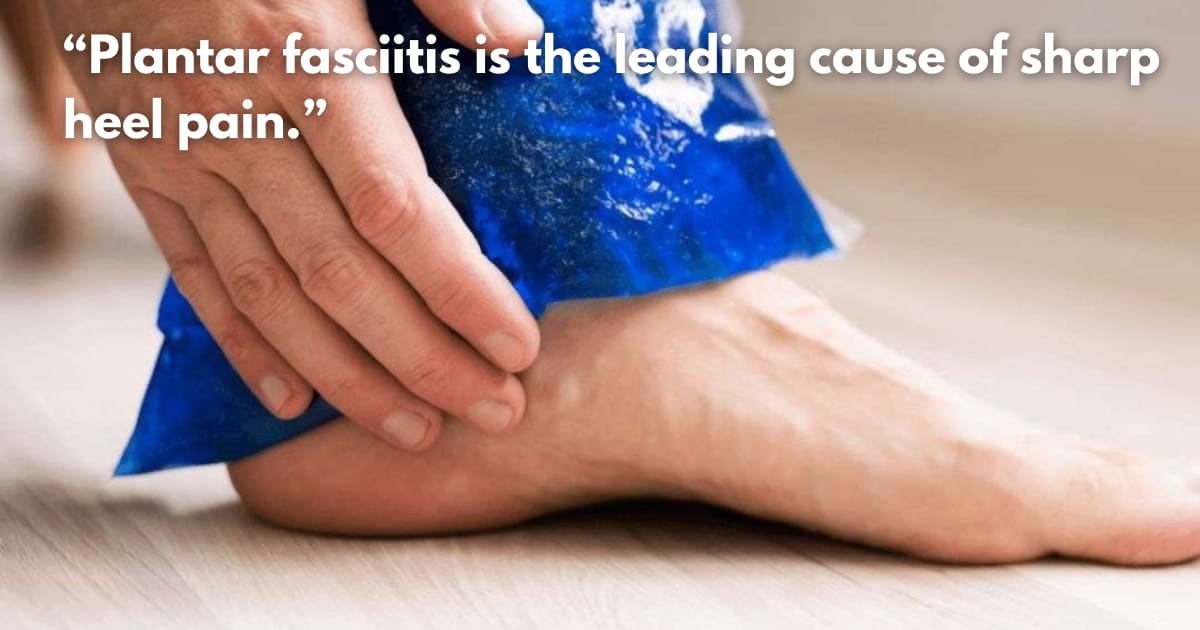


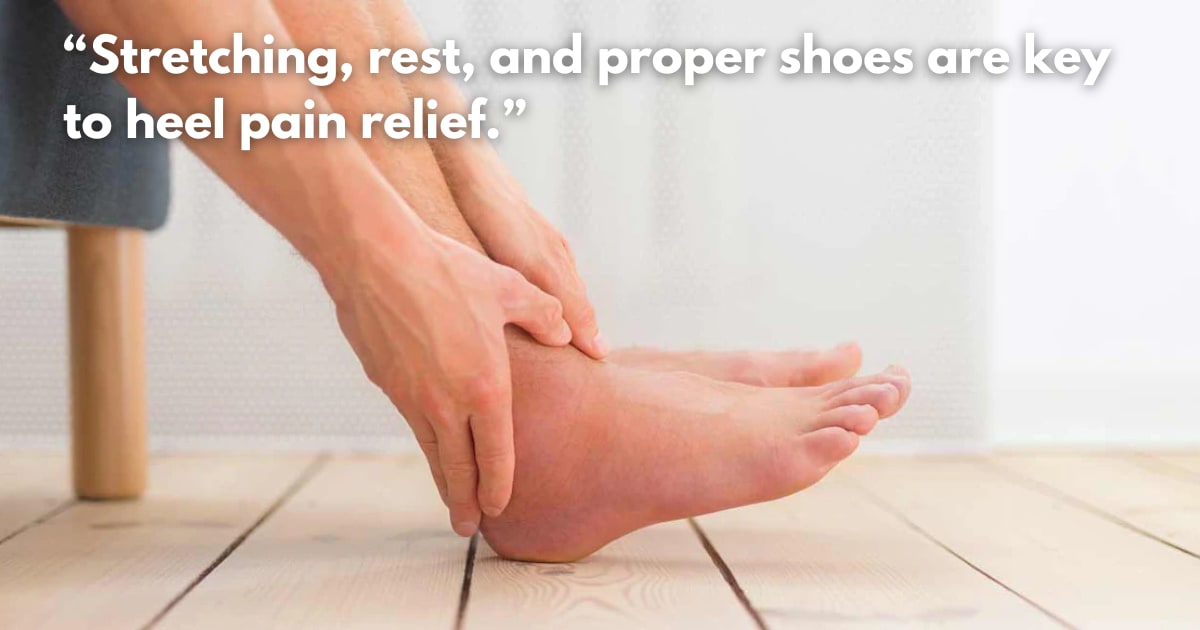
FazTimes Media: One of the best things you can do for your health and exercise is to walk. A daily walk can help many people keep their heart healthy, their mind calm, their weight in check, and their stress levels low. That being said, this easy task can get hard if your heel hurts. Active people and people who aren't as active often both get heel pain, especially around the Achilles tendon or other nearby areas.
People often don't do anything about heel pain at first because they think it will go away on its own, say doctors. The problem might get worse if you don't fix it. Health experts tell BBC News that heel problems are becoming more common because of how people live their lives, the shoes they wear, and the fact that many people don't know enough about how to avoid these problems.
This piece from FazTimes Media talks about the main reasons why people get heel pain, the symptoms they might have, and some possible treatments in easy-to-understand language.
Why does my heel hurt?
The human foot is made up of 26 bones and a lot of muscles, ligaments, and tendons that all work together. Every day, the heel takes a lot of stress, especially when you stand, walk, or run. Even small issues with your stance or the way you move can put stress on the tissues and make them hurt and swell.
There are different kinds of heel pain based on which part of the heel hurts.
In most cases, heel pain is caused by the following:
Shingles in the foot
A lot of people around the world have heel pain because of plantar fasciitis. The plantar fascia is a thick band of tissue that connects the heel bone to the toes. It helps keep the arch of the foot straight. It hurts really badly in the heel when this tissue gets swollen, especially when you take your first steps in the morning.
People who run a lot, stand for long amounts of time (like teachers or factory workers), wear shoes without enough arch support, or have flat feet or very high arches are more likely to get this condition.
This is often part of treatment:
Picking shoes that give you great support
Doing movements to stretch your calves and arches
Putting custom heel pads on your feet to help absorb shock
Getting enough rest to lower the risk of stress
According to Al Jazeera Health Desk, if you don't treat heel fasciitis, you could end up with long-term pain that makes it difficult to live your life well.
Tendonitis in the Achilles
There is a very strong tendon in the body that connects the leg muscles to the heel bone. Yes, it's strong, but it can hurt if you use it too much. Achilles tendonitis happens when this tendon gets swollen from being stressed over and over again.
People often feel this pain when they run, jump, or even climb stairs without warming up first. Also at risk are people who suddenly make their workouts harder, especially at the gym.
Some common ways to treat this are:
Giving the tendon a break and staying away from heavy tasks
Putting on ice packs to lower swelling
Stretching the calf muscles often
Putting on shoes with soft heel pads
In the worst cases, doctors may recommend surgery or physical training. Sports medicine experts say that if you don't treat Achilles tendonitis, it can tear, which is very painful and takes months to heal.
Bursitis in the heel
Some bones, tendons, and muscles have small sacs filled with fluid that help cushion them. Heel bursitis happens when the bursa near the heel gets swollen. This condition can be brought on by walking for long lengths on rough ground, wearing shoes with hard soles, or doing the same thing over and over again. At the back of the heel, most people feel swollen, red, and deeply painful.
As treatments, anti-inflammatory drugs, resting the heel, wearing supportive shoes with soft soles, and sometimes physical therapy are used.
The Haglund deformity
It's sometimes called the "pump bump" because people who wear high heels or shoes with stiff backs tend to get it. A lump of bone forms at the back of the heel because the shoe and heel bone rub against each other all the time. This causes pain and swelling.
Some ways to feel better are:
Using heel-lift movements to make the area stronger
Getting trainers or shoes with soft soles
Shoes that are too tight or have high heels
Protecting the heel by putting padding around it
Podiatrists say that Haglund may need surgery in the future if his disability is not fixed.
The disease Sever's
Most kids who are still growing get heel pain from Sever's disease. This is especially true for kids between the ages of 8 and 14. For kids who play sports like football, basketball, or running, their heels might hurt afterward.
It occurs when the heel bone grows faster than the muscles and nerves nearby, putting stress on the growth plate. The good news is that as the child gets older, things generally get better.
What doctors say:
Getting enough rest after having fun or working out
Stretching your hamstrings and feet
Putting on shoes that support or using heel pillows
If your child says their heel hurts, you shouldn't ignore them because you think it's just a small problem.
Getting help early on can keep problems from getting worse later on.
Some other possible reasons
Pain in the heel can also be caused by
If you put pressure on your heel bone over and over, you can get a stress fracture.
Tarsal Tunnel Syndrome is a nerve disorder that makes the heel tingle, burn, or hurt sharply.
Arthritis is a disease of the joints that can make the heel hurt in older people.
The Guardian Health Reports says that younger people are having more heel problems because they don't move around much and wear shoes that aren't right for them.
How to Avoid and Take Care of
It's better to avoid heel pain than to fix it, say experts.
To keep your feet healthy, do these easy things:
Put on shoes that have good arch support and padding.
To avoid putting too much stress on the tendons, stretch your legs before you work out to warm up.
Don't do a lot of movement all at once; instead, slowly build up your exercise levels.
At a healthy weight, because extra weight makes the heels hurt more.
Listen to your body; if you're in pain, don't put it off; see a doctor right away.
A Growing Health Risk
If you compare heel pain to other health problems, it may not seem like a big deal, but it can make it hard to move and lower your quality of life in general. Heel pain can make it harder for people to go to work. It might make kids not want to play sports. It can make older people more likely to fall.
According to BBC News Health, not taking care of heel pain can often cause long-term injury. It's very important to see a doctor as soon as you start to feel sick.
In conclusion,
It shouldn't hurt to walk; it should feel strong. Even though heel pain is common, people can deal with it by being aware of it, avoiding it, and getting help right away. People often get heel fasciitis, Achilles tendonitis, and Sever's disease, but there are ways to deal with them.
The main point is clear to people who read FazTimes Media: take care of your feet. They are there for you every step of the way, and a little care now can save you a lot of pain later on.
Our primary goals at FazTimes Media are to be accurate and confident and adhere to the highest journalistic standards. We check every news story we share against several trustworthy and separate sources to ensure its accuracy.
We have reviewed this report, along with articles from major news outlets worldwide, including BBC News, Reuters, Bloomberg, Al Jazeera, NDTV, The Economic Times, and The Indian Express.
We want to keep the highest standards in global journalism so that our readers can trust the information they acquire.




Discussion0
Join the conversation on this story
Loading comments...