
Onam Pickles: How to Enjoy Them Healthily, Dietitian Explains
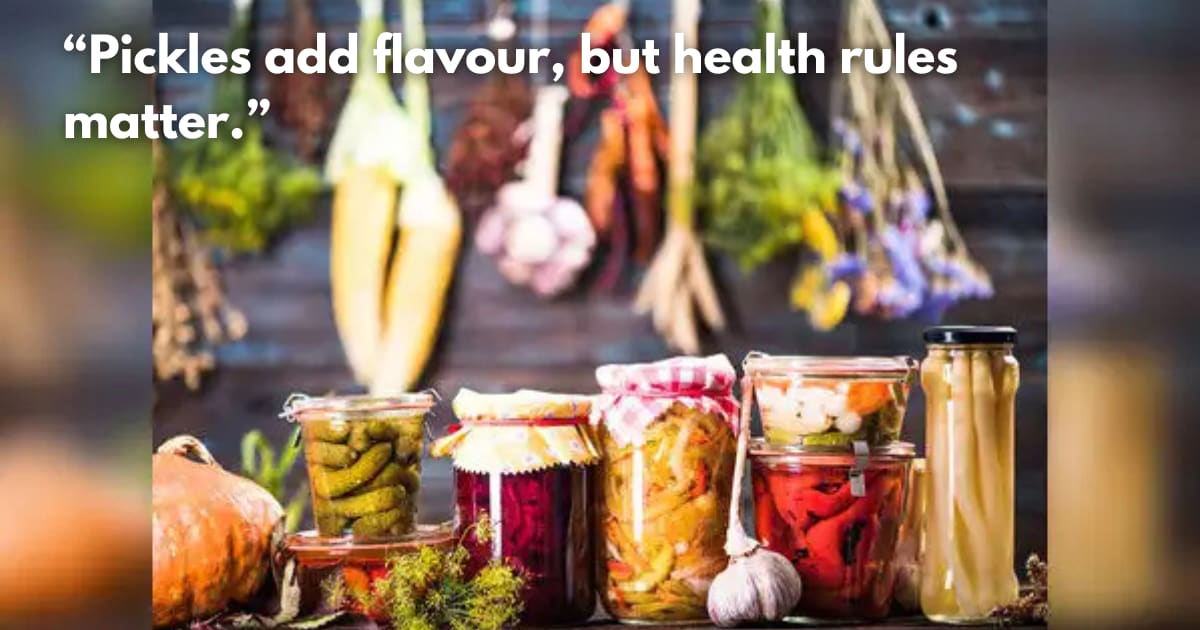
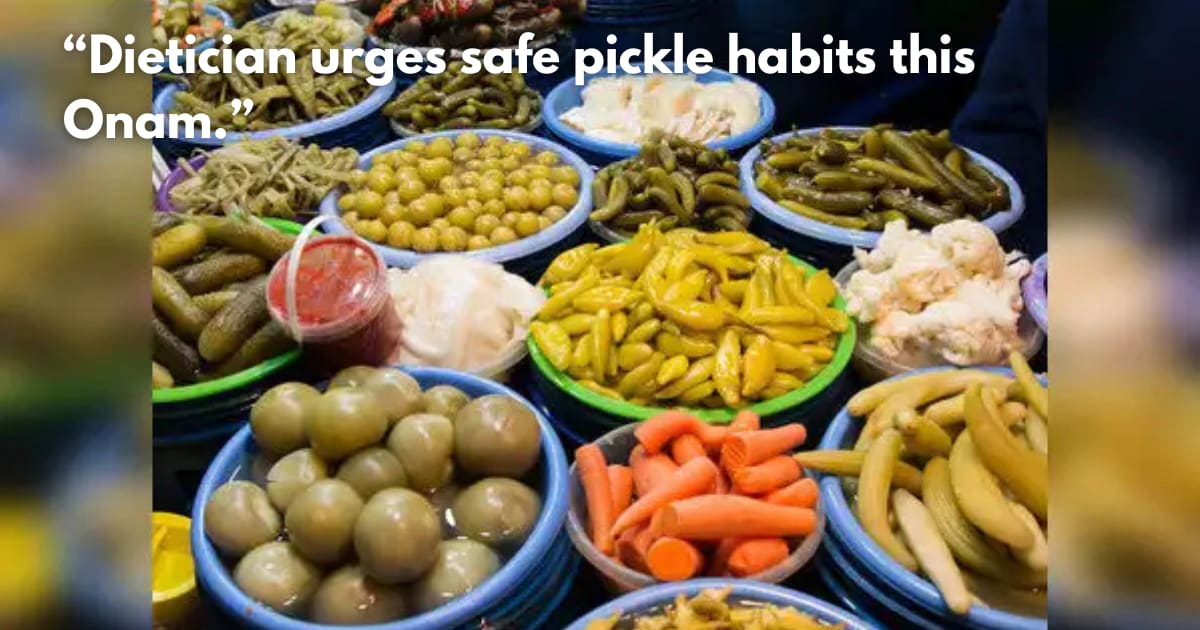


FazTimes Media: Pickles are more than just condiments in Kerala. For many Malayalis, they are memories of childhood kitchens, jars stored on sunny terraces, and the delicious tang that makes a plate of rice taste better or adds flavour to a special festival meal. This Onam, as families prepare their big sadya, pickles will naturally be a big part of the banana leaf. Yet, in today’s changing food culture, experts warn that not all pickles are the same. While the tangy flavours can enhance taste and bring back memories, eating them carelessly can also be bad for your health.
According to BBC News, traditional food preservation methods like pickling are getting more attention around the world, both for their cultural value and nutritional benefits. However, dieticians say that modern quick fixes in how pickles are made and stored often make them less safe. So, how can we enjoy pickles this festive season without risking our health?
Liji Jose, a dietician from Kottayam, wants to learn the right way to include pickles on our Onam platter.
The Cultural Heart of Pickles in Kerala
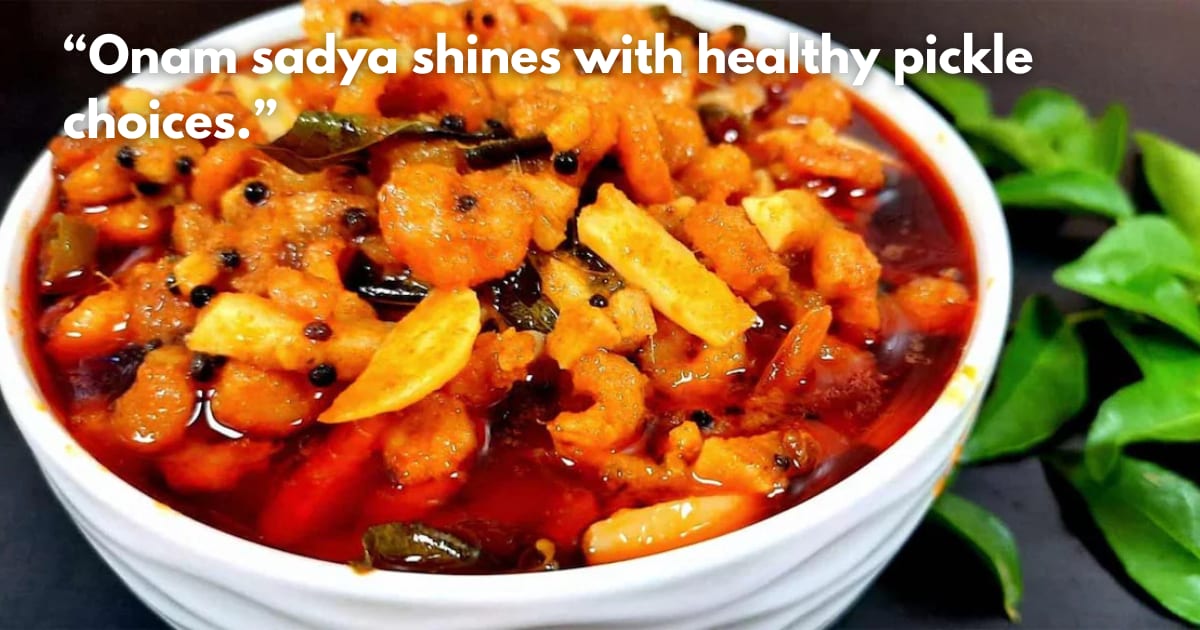
For many generations, pickles have been an important part of every Malayali home. Whether it's the spicy red manga achar (mango pickle), the tangy naranga achar (lemon pickle), or the hot nellikka achar (gooseberry pickle), no traditional meal is complete without them. During Onam, when sadya is served with more than 20 dishes on a banana leaf, at least one pickle—often more—is always placed on the side.
These new ideas add variety and excitement to meals, but they also raise questions about safety. As reported by Al Jazeera, the global popularity of fermented and pickled foods is growing, but improper handling has led to food poisoning in several areas. Kerala, due to its humid climate, is particularly vulnerable to contamination if one fails to adhere to the proper rules.
The Science Behind Pickling
Dietician Liji Jose explains, “In traditional Kerala homes, pickles were made with care and kept in sealed jars. Before using the jars, they were often dried in the sun, and the spoons used had to be clean and dry.” “These methods weren’t just traditions; they were based on science to stop harmful fungi and bacteria from growing.”
But when it comes to store-bought pickles, these careful steps are often skipped. Instead, they use chemical preservatives, artificial colours, and a lot of oil to make them last longer. While such preparation makes them look better and easier to use, it can also be bad for health if eaten often.
Chemical Additives: Store-bought pickles often include preservatives like sodium benzoate, which can cause allergic reactions in some people.
According to BBC News, eating too many salty and oily pickles has been connected to a higher risk of stomach cancer in some Asian countries where pickles are eaten daily. While eating pickles now and then is fine, eating them too much regularly isn’t advisable.
Pickles in the Onam Sadya: A Symbol of Balance
The Onam sadya is more than just about enjoying good food—it's about having a balanced meal. Every dish, from the mild avial to the sweet payasam, plays a part in making the whole meal taste delicious. Pickles, with their tangy and spicy flavours, add contrast and cut through the richness of other dishes.
But Liji Jose reminds us, “Onam happens only once a year, and having a spoonful of mango pickle won’t hurt. The real issue is when we start treating pickles like a daily comfort food.”
New-Age Pickles: A Mix of Tradition and Innovation
Interestingly, many young chefs are experimenting with making healthier pickles. Some use olive oil instead of regular oil and apple cider vinegar instead of synthetic vinegar, and reduce the amount of salt. Others are creating probiotic pickles, where the fermentation process creates beneficial bacteria for the gut.
As reported by Al Jazeera, fermented foods are becoming a big part of the wellness trend worldwide, and Kerala’s pickle tradition fits right into this movement.
A Word of Caution for Families
In families with kids, older adults, or people with health problems, eating pickles in moderation is important. People with diabetes should look out for hidden sugars, and those with digestion issues should choose pickles that are not too spicy.
“Pickles aren’t enemies; they’re friends when used in the right way,” Liji Jose adds with a smile.
Conclusion: A Crispy Tradition Worth Keeping
Pickles are more than just a snack—they carry stories in every jar, handed down from one generation to the next.
Our primary goals at FazTimes Media are to be accurate and confident and adhere to the highest journalistic standards. We check every news story we share against several trustworthy and separate sources to ensure its accuracy.
We have reviewed this report, along with articles from major news outlets worldwide, including BBC News, Reuters, Bloomberg, Al Jazeera, NDTV, The Economic Times, and The Indian Express.
We want to keep the highest standards in global journalism so that our readers can trust the information they acquire.




Discussion0
Join the conversation on this story
Loading comments...