
Two-Tier GST Tax Structure to Launch September 22: What Gets Cheaper?
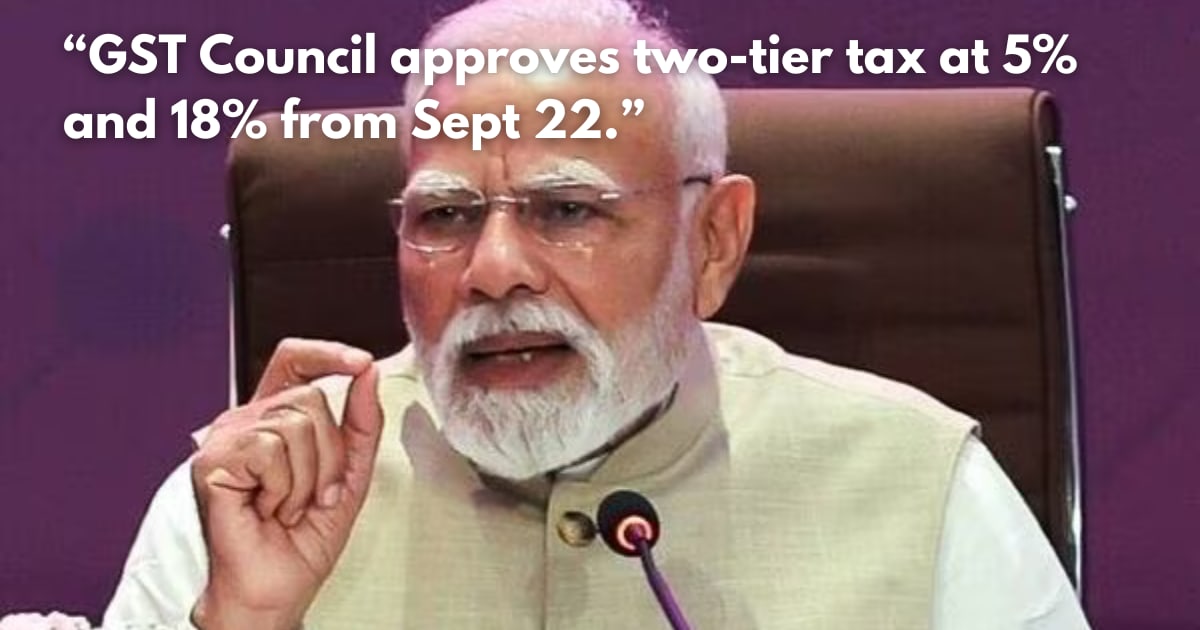
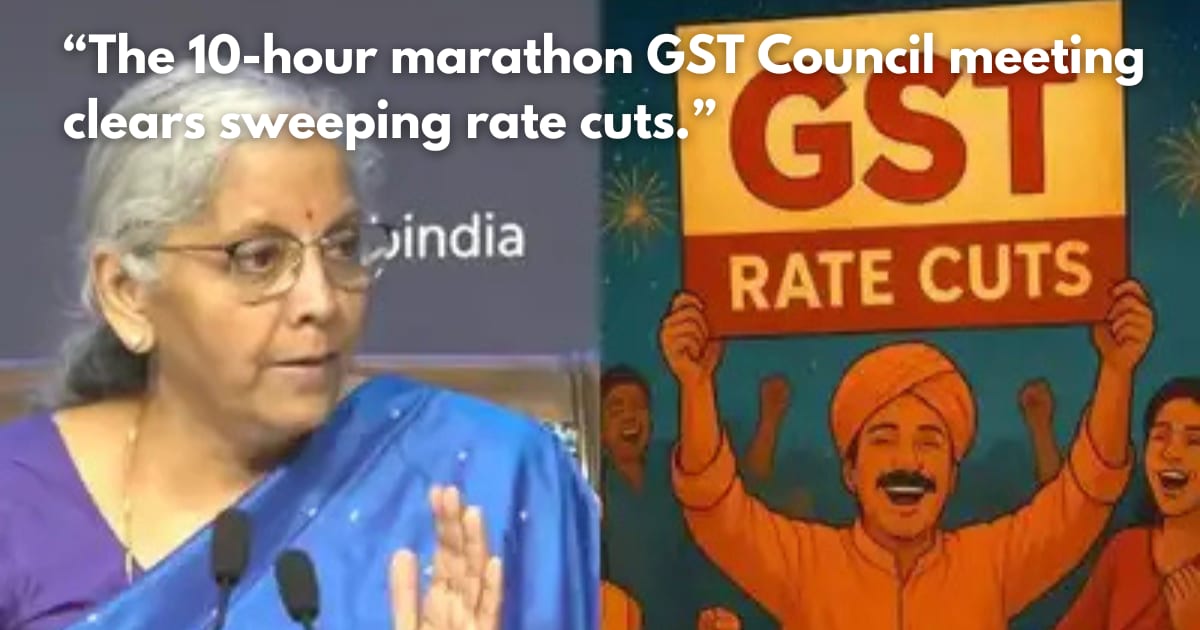
FazTimes Media, New Delhi: In a major reform of India’s indirect taxation system, the Goods and Services Tax (GST) Council has approved a simplified two-tier tax structure that will come into effect from September 22, 2025. The decision was finalised during the Council’s extended 56th meeting, which lasted over ten hours and involved representatives from both the Union and state governments.
Finance Minister Nirmala Sitharaman announced the reforms, emphasising their careful design to benefit the common man. “Taxes on essential daily-use items have been thoroughly reviewed, and often, rates have been lowered. Labour-intensive industries, agriculture, and healthcare are among the key sectors set to gain,” she said, as reported by The New Indian Express.
What Changes Should Consumers Expect from the New Price and Tax Revisions?
UHT milk has been made completely tax-free (previously 5%). Condensed milk, butter, paneer, ghee, and cheese will now be taxed at 5% or nil, compared to the earlier 12%.
Biscuits, chocolates, cocoa items, pasta, cornflakes, and malt-based products will move to 5% from the earlier 12–18% slab. Popular snacks like namkeens, bhujia, and mixtures will now attract 5% from the earlier 12–18% slab.
Impact on Dry Fruits, Sweets, and Packaged Food Products
Cashews, almonds, pistachios, hazelnuts, and dates will now attract 5% instead of 12%.
Refined sugar, syrups, candies, and toffees will also see their rates reduced to 5%.
Price Shifts in Beverages, Packaged Drinks, and Bottled Water
Packaged drinking water and aerated water without sugar or flavouring will now fall below the 5% threshold, down from 18%.
Agriculture Sector and Fertilisers: How Farmers Will Be Affected
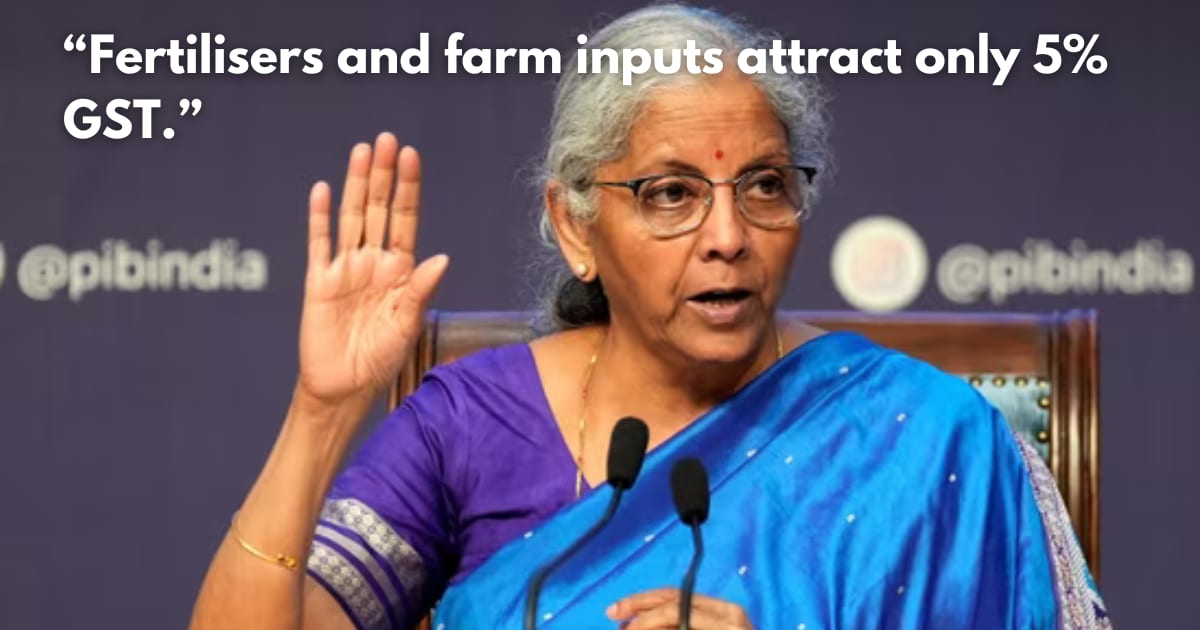
Fertilisers are being reduced to 5% (earlier 12–18%).
Seeds and other crop nutrients also shift to the 5% slab, ensuring relief for farmers.
Healthcare Costs and Medicine Prices Under the New Policy
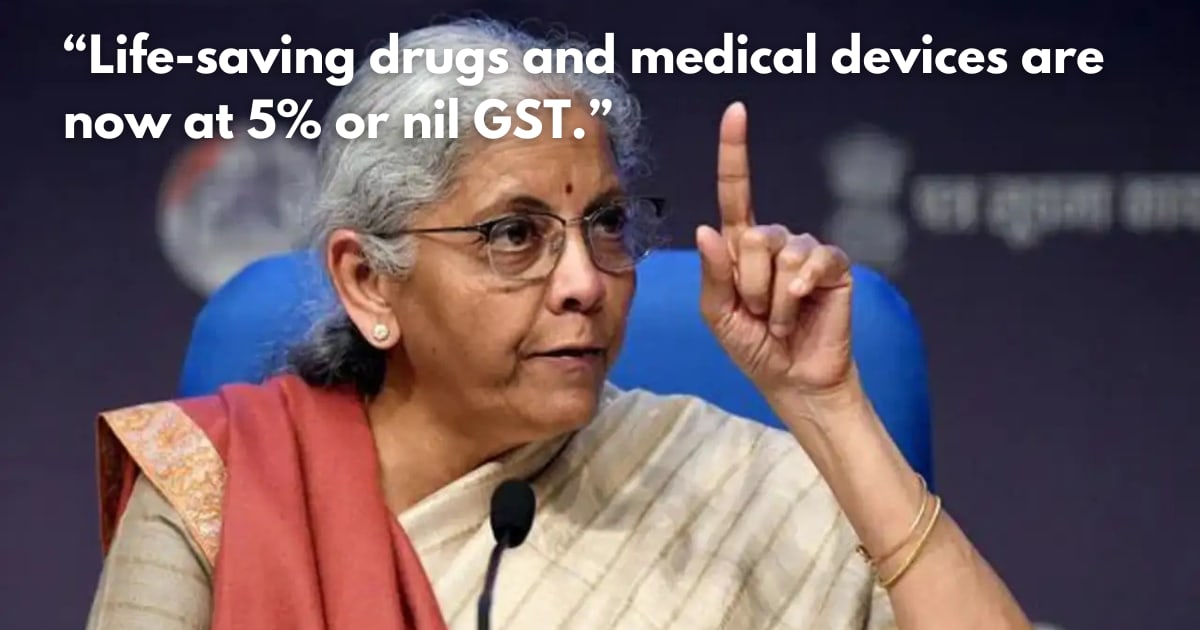
Life-saving drugs, healthcare products, and certain medical devices will be reduced from 12–18% to either 5% or nil.
Everyday Household Goods: Relief and Burden for Consumers
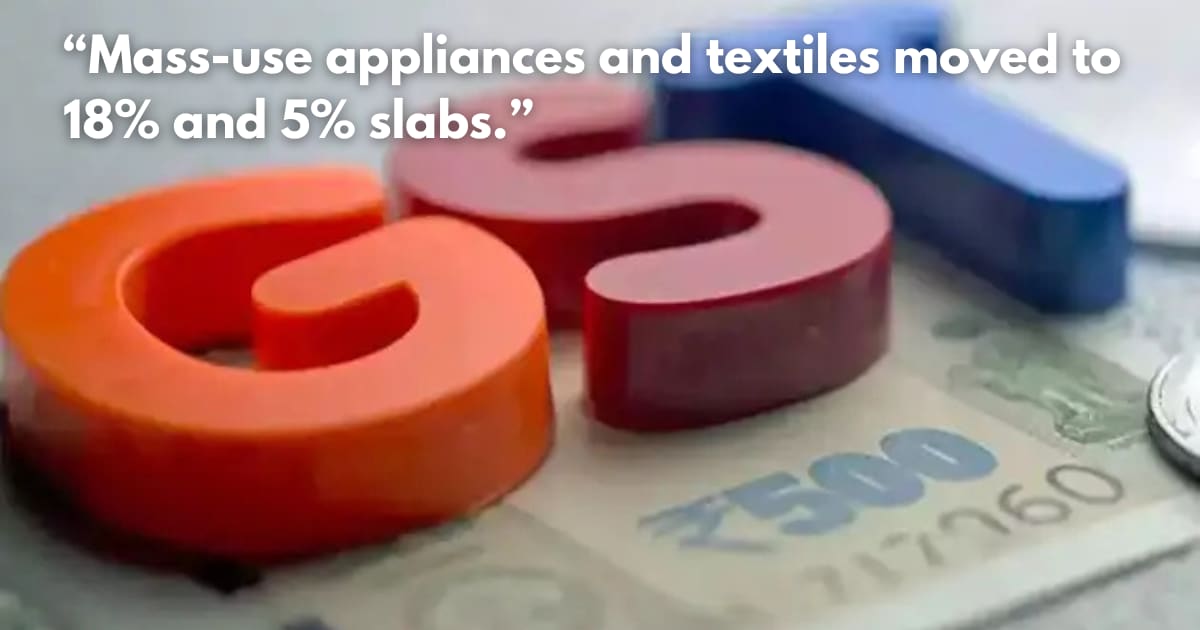
Entry-level electrical appliances like mass-use fans and mixers will now attract 18% instead of 28%.
Footwear and textiles for mass consumption will fall to 5% from 12%.
Insurance policies such as ULIPs, endowment plans, and reinsurance will now be exempt from GST.
What Still Remains Expensive Despite Tax and Price Cuts
The government has clearly indicated that products deemed harmful or luxurious will still face higher tax rates.
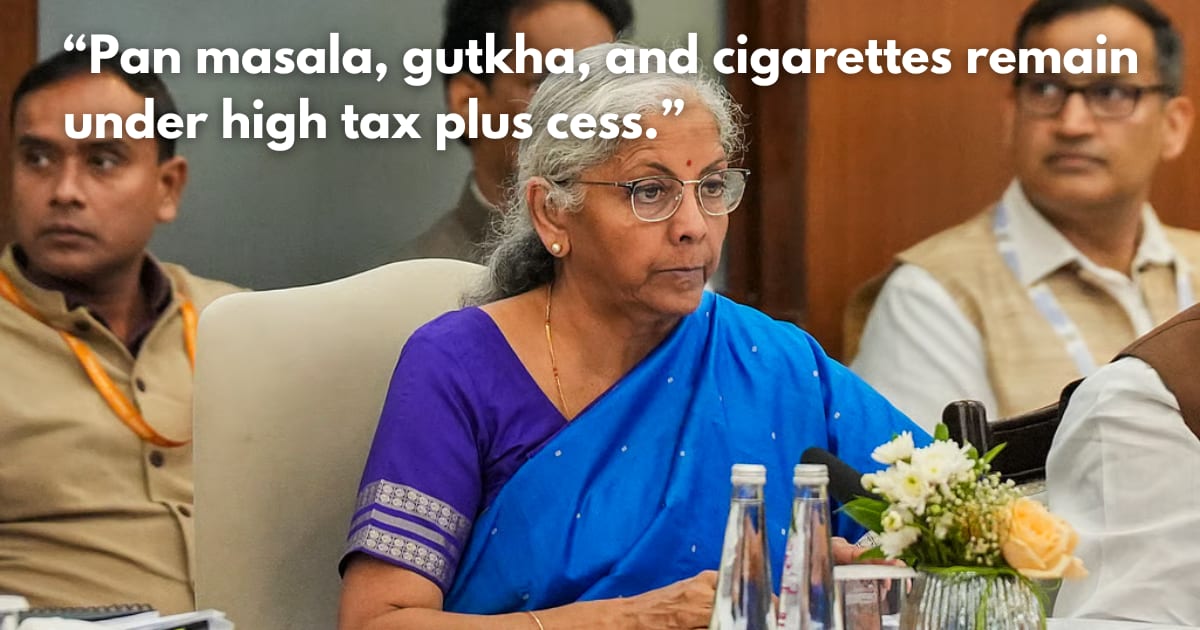
Tobacco products, gutkha, cigarettes, zarda, and bidis will remain subject to high GST plus compensation cess.
A shopkeeper in Lucknow who sells packaged snacks welcomed the lower rate: “Earlier namkeens were taxed at 18%, which was too high. Customers complained, and margins were tight. Now at 5%, we can sell at more affordable prices.”
Farmers, too, are optimistic. With fertilisers and seeds taxed under the 5% slab, the agriculture sector could see reduced input costs, which in turn might ease food inflation.
However, some manufacturers have expressed concerns about adjustment costs. “We’ll need to revise invoices and packaging labels and rework our IT systems. But overall, it’s a positive change,” said a Chennai-based textile exporter.
Political Reactions and Public Debate Around Price Changes
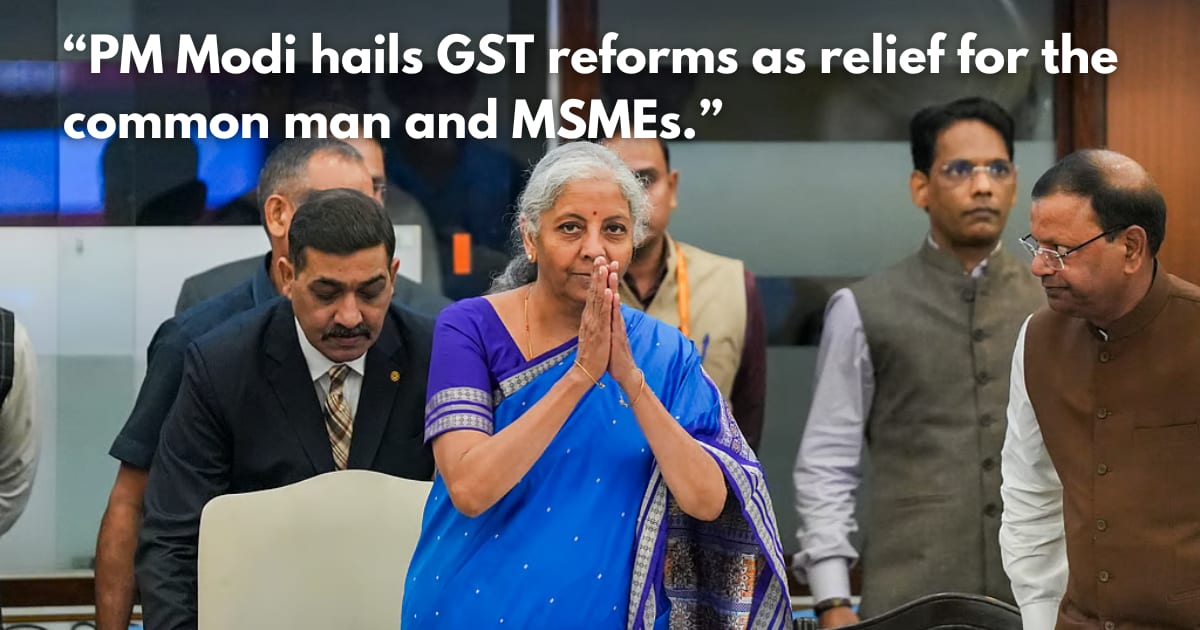
Prime Minister Narendra Modi praised the decision, saying it's a step towards "next-generation GST reforms."
On X, he wrote:
"Happy to share that the GST Council, which includes the central government and the states, has come together to agree on the proposals. These changes will help the common people, farmers, small businesses, middle-class families, women, and young people. They will also make it easier for small traders to run their businesses."
The opposition welcomed the move but warned the government about how well the new system would be carried out. A senior leader said, "Simplifying things is good, but the real challenge will be whether the states get enough money to make up for any loss in revenue."
Our primary goals at FazTimes Media are to be accurate and confident and adhere to the highest journalistic standards. We check every news story we share against several trustworthy and separate sources to ensure its accuracy.
We have reviewed this report, along with articles from major news outlets worldwide, including BBC News, Reuters, Bloomberg, Al Jazeera, NDTV, The Economic Times, and The Indian Express.
We want to keep the highest standards in global journalism so that our readers can trust the information they acquire.






Discussion0
Join the conversation on this story
Loading comments...