
Ready-Made Onam Sadya: Is Retort-Packed Food Healthy?


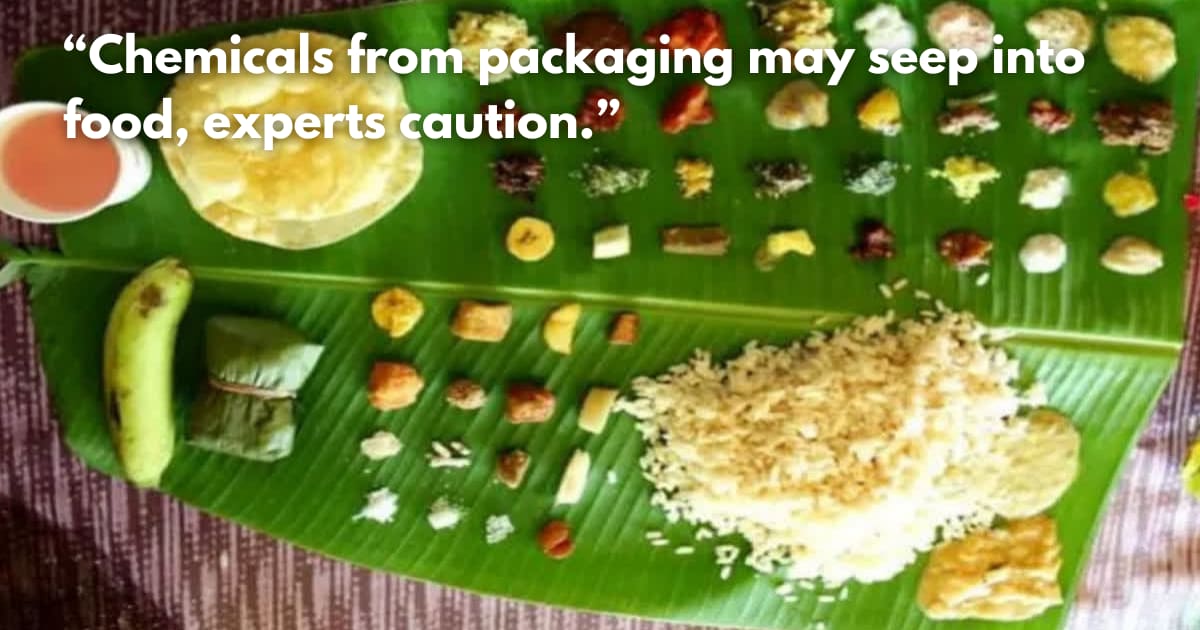


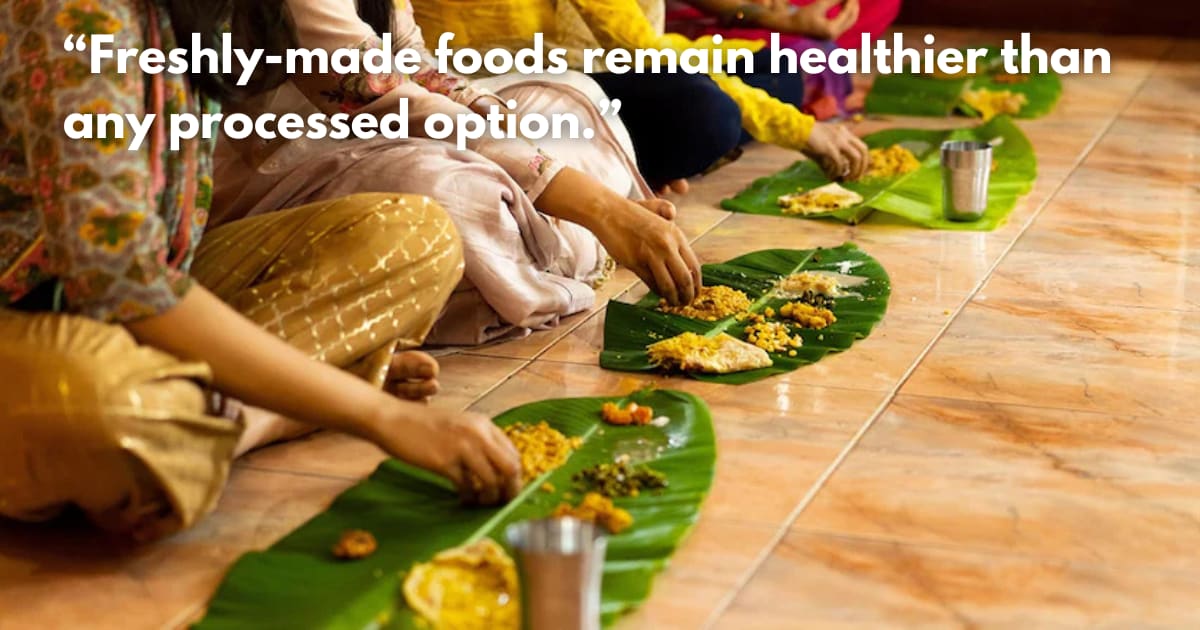
Faztimes Media, Thrissur – This Onam, a traditional practice, is coming together with modern technology in a surprising way. As the streets of Kerala get ready for pulikali—a lively folk dance where performers paint themselves like tigers and jump through the crowd—another special project is getting attention. Fifty-one Pulikali artists from Ayyanthol in Thrissur will still enjoy their Onam sadya, the traditional vegetarian meal, even though they will be dancing for long hours under the hot sun.
The reason is that their meals will not be served on fresh banana leaves but instead in retort packaging, a modern food technology that keeps cooked food fresh for up to two years. It seems like a convenient miracle—but how healthy is this kind of food compared to freshly cooked sadya?
The Technology Behind the Meal: How Processed Foods Are Made
Retort packaging is not a new idea. It has been used a lot in the military, space missions, and even in meal kits for city families. The process involves putting fully cooked food into special pouches or containers and then heating and pressurising them to kill bacteria and make the food last longer. This method can keep food safe for up to 12 to 24 months without needing a fridge.
For performers like the Pulikali dancers, who spend a lot of time getting ready, performing, and entertaining large crowds during Onam, this technology helps them not miss out on Kerala’s most important meal. As reported by BBC News, food innovation in India is more and more focused on making things easier without losing tradition, especially during big festivals when time and resources are limited.
The Traditional Kerala Sadya: More Than Just a Festive Meal
Onam sadya is not just about eating—it's about experiencing a cultural tradition. This feast, served on banana leaves, can include up to 26 dishes or more, like avial, sambar, payasam, and banana chips. For people from Kerala, it's a source of pride and joy in terms of food and culture.
But when this traditional meal is put into a pouch and heated to make it last longer, people start questioning.
Expert Opinion: Dietitians Raise Concerns Over Processed Alternatives
Dr Mumtaz Khalid Ismail, a dietician based in Kochi, shared her views on how retort-packed meals affect health. “This method is very good for keeping food fresh for a long time,” she said. “Retort-packed food can stay good for up to 18 months because of the two layers of packaging and the sterilisation process.” But there’s more to the story.
She explained the health drawbacks:
Loss of nutrients – The high heat used to sterilise the food can destroy important vitamins, enzymes, and other tiny nutrients. Even though the food might look and taste the same, it might not be as nutritious.
In the end, she said, “It’s okay to eat these meals occasionally, like during festivals or when there's an emergency. But eating them regularly is not beneficial for health. Freshly cooked food is always better than processed food.”
Convenience vs. Culture: The Debate Over Traditional vs. Packaged Foods
For many in Kerala, the news led to a discussion. Some people believe that retort-packed sadya is a suitable option for busy performers, migrant Malayalis, or students living far away who miss the taste of home. Others are concerned that it could change the true meaning of Onam.
The Taste Factor: Do Processed Foods Really Match Traditional Flavors?
People who have tried retort-packed curries and rice often say the taste is “almost the same” but not exactly like the real thing. Fresh spices don’t smell as strong, and vegetables can become a bit too cooked. Since sadya is a complex dish with many layers of flavour, even small changes in taste could make a big difference.
Yet, for pulikali performers, having even a close version of sadya after long and tiring performances is better than not eating at all. One artist reportedly said, “It might not be the same as what we have at home, but it still makes us feel part of the festival.”
The Bigger Picture: Processed Foods on the Rise in Indian Households
India’s packaged food industry is growing fast. Market reports say the ready-to-eat food segment is expected to grow by more than 10% every year, thanks to demand from city dwellers and people living abroad.
Our primary goals at FazTimes Media are to be accurate and confident and adhere to the highest journalistic standards. We check every news story we share against several trustworthy and separate sources to ensure its accuracy.
We have reviewed this report, along with articles from major news outlets worldwide, including BBC News, Reuters, Bloomberg, Al Jazeera, NDTV, The Economic Times, and The Indian Express.
We want to keep the highest standards in global journalism so that our readers can trust the information they acquire.





Discussion0
Join the conversation on this story
Loading comments...